How your child’s bedroom environment impacts school grades
By Dan Kauna, July 13, 2026As the new school term begins, Kenyan parents are busy ticking off items on back-to-school lists. Shopping bags are filled with new uniforms, textbooks, and stationery.
While these tools are necessary, an equally important factor for classroom success sits right inside the home: the child’s bedroom.
Studies show that how a bedroom is set up affects how well a child sleeps, which directly impacts their performance in class. When a child sleeps poorly, their brain struggles to focus, process information, and recall lessons taught during the day.
Getting the temperature and light right
A child’s room needs to be comfortable to support deep, restorative rest. Experts note that the optimal bedroom temperature for children’s sleep is between 18°C and 20°C.
Hot rooms cause frequent night-time awakenings, leaving children tired and groggy the next morning. In many Kenyan households, keeping a window slightly open for ventilation or using lighter bedsheets can help maintain a cool environment.
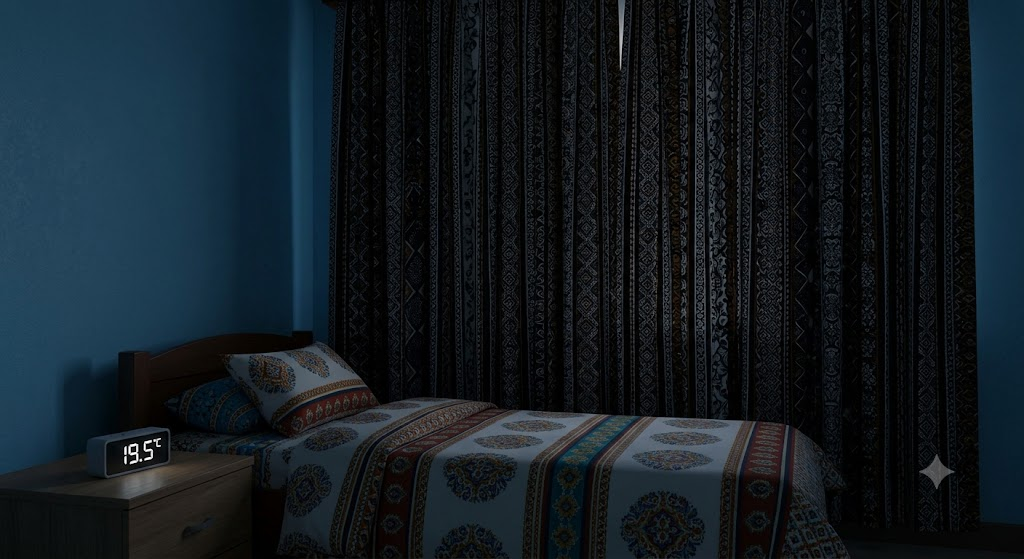
Light control is just as critical for memory. Sleeping in complete darkness improves deep sleep, which is the exact stage where the brain sorts and stores everything a child learned during the day.
Turning off all lights or using thick curtains to block outside streetlights helps the brain retain lessons, making it easier for a student to remember facts during exams.
Removing noise and digital screens
Background noise and electronic devices also ruin a good night’s rest. Constant noise stops the brain from settling into deep sleep, causing children to wake up irritable.
Devices like smartphones, tablets, and televisions inside the bedroom pose an even bigger problem. The blue light from these screens makes it harder for a child to fall asleep quickly, cutting down their total rest hours.

A peer-reviewed study published in the journal Pediatrics on November 01, 2017, notes that “the pervasive use of screen-based media is a likely contributor to widespread sleep insufficiency” among youth.
This lack of sleep directly hurts attention spans, memory, and classroom behaviour. Keeping digital devices outside the sleeping area ensures children get the uninterrupted rest they need.
Turning the bedroom into a quiet, dark, and screen-free space is a simple, practical way to help children perform at their best this term.