How a pinch of salt keeps fresh flowers looking vibrant
By Dan Kauna, July 25, 2026Bringing a fresh bunch of roses or carnations home from a local market vendor brings instant warmth and colour into a room. However, within just a couple of days, the water in the vase often turns cloudy, the stems turn slimy, and colourful petals start to droop.
This rapid decay occurs because bacteria multiply quickly in the vase water, clogging the plant stems and preventing them from drinking.
Adding a simple pinch of table salt to the water offers an easy home solution that prevents bacterial growth and keeps flowers fresh for longer.
Why vase stems get blocked
When a flower stem is cut, the tiny channels inside it remain open to draw moisture. Once placed in a vase, the cut end leaks small amounts of plant sugars into the standing water.
Microbes thrive on these sugars and multiply at a rapid rate. As bacterial colonies build up around the base of the stem, they form a slimy layer over the microscopic tubes, called xylem, which transport water up to the petals.
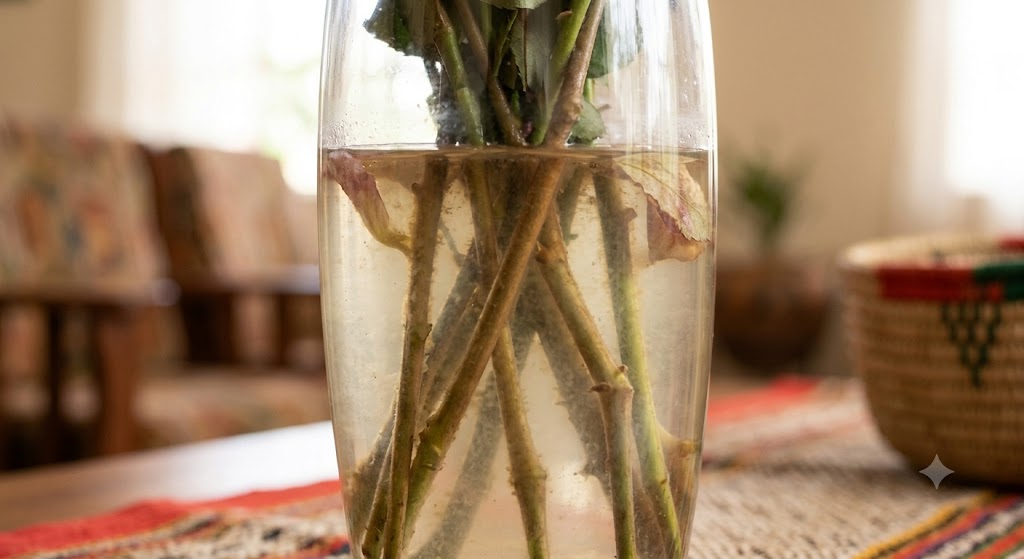
This buildup creates a physical barrier that prevents the plant from absorbing liquid, causing it to wilt even when the vase is full.
Peer-reviewed research published in the journal PLOS ONE details this exact process, pointing out that “in cut flowers, xylem occlusion or blockage by bacteria negatively affects water balance and postharvest quality.”
When the stem can no longer pull up enough water to replace what evaporates from the petals, the bloom quickly dies.
How salt solves the problem
Common table salt, or sodium chloride, acts as a mild disinfectant when used in tiny amounts.
A light sprinkle in vase water creates a balanced environment where bacteria struggle to grow, without causing any harm to the delicate stem tissues.
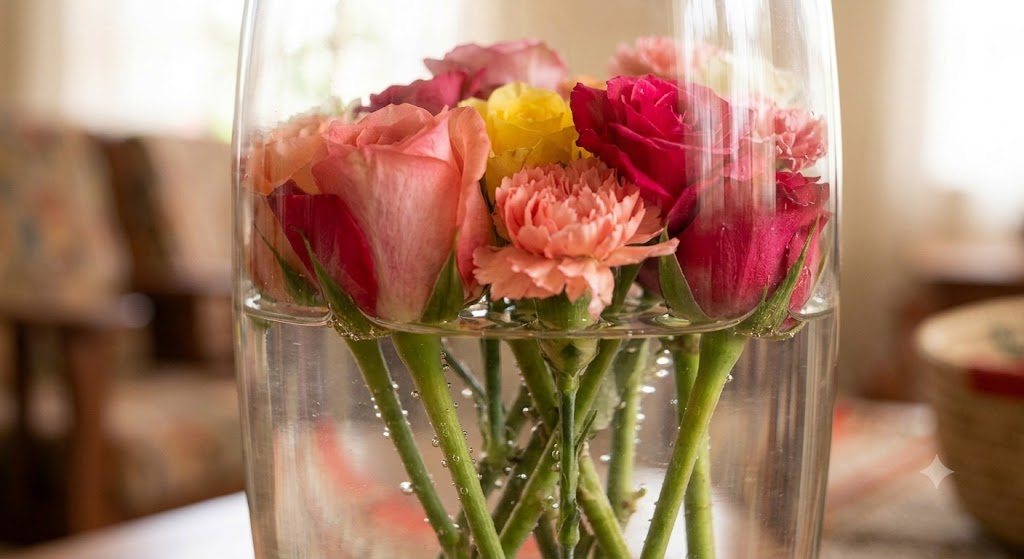
By keeping bacterial populations under control, the water remains clear, allowing internal channels to pump moisture upward to the leaves and flower heads continuously.
Getting the measurement right is key. Only a tiny pinch, about a quarter teaspoon per litre of clean water, is needed to keep microbes at bay.
Using too much salt can backfire by drawing moisture out of the stem through osmosis, which accelerates wilting.
Combining a subtle pinch of salt with fresh water changes every two days ensures floral arrangements stay upright, bright, and healthy for days longer.