Advertisement
Household fire safety habits that prevent home fire disasters
28th May, 2026 06:55 PM
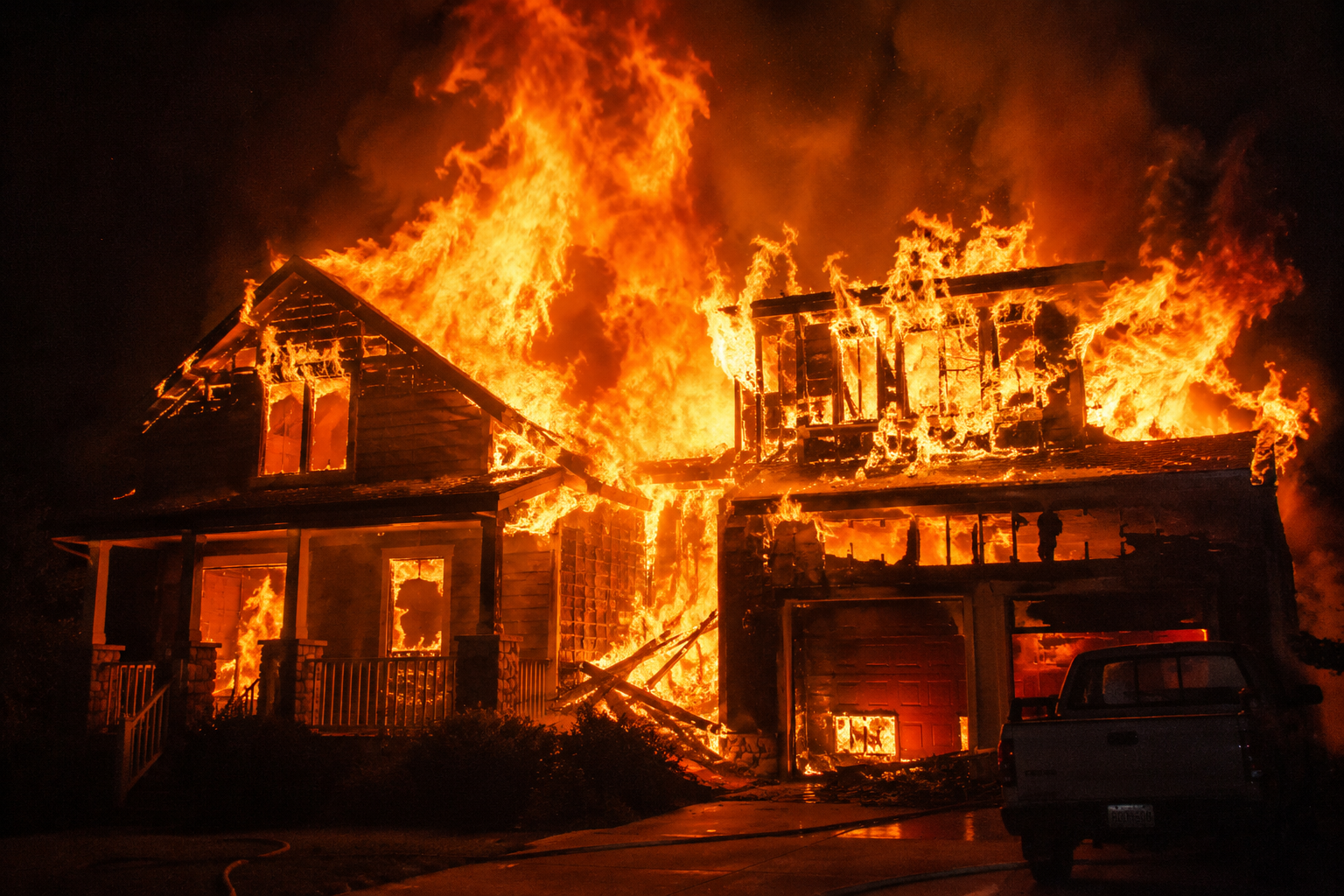
Fire incidents in homes remain among the most common emergencies affecting families, often starting from everyday activities such as cooking, charging devices, or faulty electrical connections.
Experts say most residential fires are preventable when basic safety habits are consistently followed in the home.
In many urban households, fire risks increase due to heavy reliance on electrical appliances, gas cooking systems and compact living spaces.
Without proper awareness, small mistakes can quickly escalate into major fire disasters within minutes, especially at night when response is delayed.
Kitchen safety habits
The kitchen remains the leading source of household fire incidents due to open flames, cooking gas and oil use.
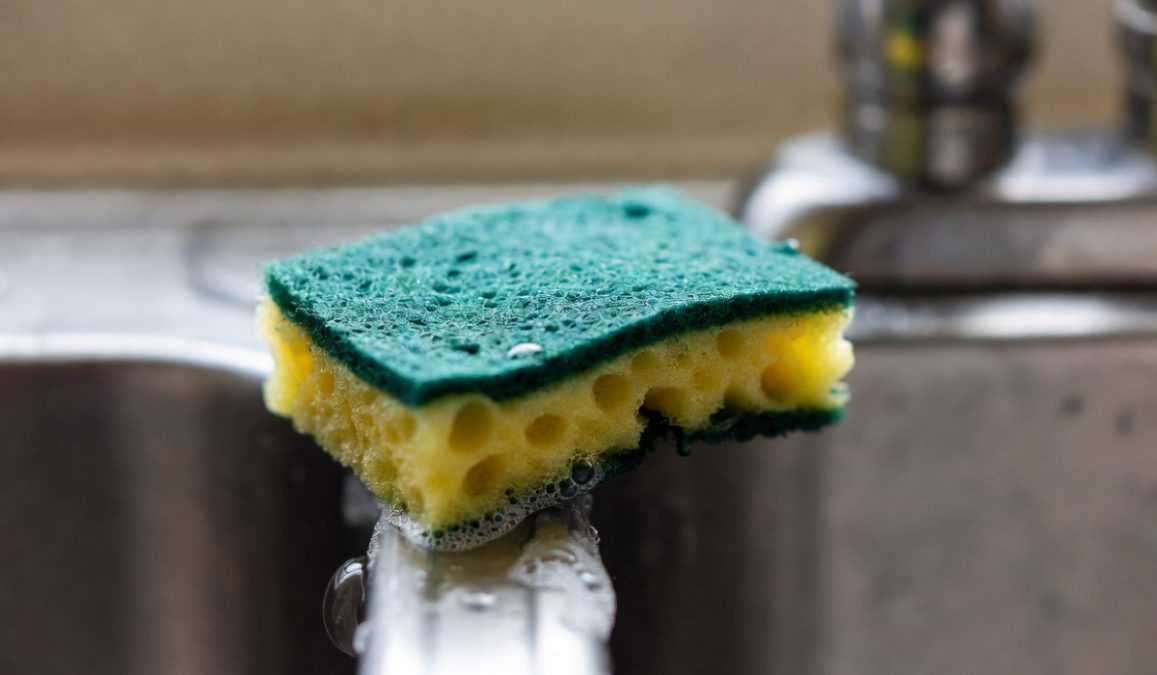
Leaving food unattended while cooking significantly increases the risk of fire starting unnoticed and spreading rapidly.
Households are advised to keep flammable materials away from cooking areas and to ensure gas cylinders are regularly checked for leaks.
Simple habits such as turning pot handles inward and switching off burners immediately after use help reduce fire risks.
Electrical fire safety
Electrical faults continue to be a major cause of home fires, often triggered by overloaded sockets, faulty wiring and improper use of extension cables.
Experts warn against plugging multiple high-power appliances into a single socket, as this can cause overheating.
Damaged cables and unattended charging devices also increase the risk of fire in households.
Safe practice includes unplugging appliances when not in use and ensuring all electrical installations are handled by qualified professionals.
Bedroom fire risks

Bedrooms are often overlooked in fire safety discussions, yet they contain several hidden risks, such as chargers, curtains, and bedding materials that are close to electrical outlets.
Charging phones on beds or under pillows can cause overheating, while curtains near sockets or heaters increase the risk of ignition.
Keeping electrical devices on stable surfaces and maintaining clear space around power sources reduces the risk of a fire starting in sleeping areas.
Smoke detector importance
Smoke detectors play a critical role in early fire detection, yet many households still operate without them.
Early warning systems are essential because smoke spreads faster than flames in most residential fires, especially at night when occupants are asleep.
Regular testing and battery replacement ensure detectors function properly, giving families time to evacuate safely before fire spreads.
Escape route planning
Fire safety at home is not only about prevention but also about preparedness for evacuation.
Every household should have clear exit routes known to all family members.
Doors and windows should remain accessible at all times and not be blocked by furniture or stored items.
In emergencies, confusion can slow down escape, especially for children and elderly family members.
Familiarising everyone with exit routes improves response time during fire incidents.
Extinguisher readiness
Fire extinguishers are often present in homes but underused due to a lack of knowledge on proper handling.
They should be placed in accessible areas such as kitchens and common living spaces for quick response during emergencies.
Understanding basic use, including the PASS method, pulling, aiming, squeezing and sweeping, helps control small fires before they escalate.
Family communication plan
Household fire safety also depends on clear communication during emergencies.
Families should agree on safe meeting points outside the home.
Children should be taught what to do when a fire alarm sounds or when smoke is detected. Clear instructions reduce panic and improve coordination during evacuation.