Advertisement
Father’s Day: How families can honour memories of a father who passed away
19th June, 2026 04:17 PM

Father’s Day is often associated with celebration, laughter and shared moments. But for many families, the day also carries a quieter meaning. It can be a reminder of a father who has passed away, leaving behind memories that continue to shape everyday life in subtle but lasting ways.
As Father’s Day approaches, many people are looking for gentle and personal ways to honour their late fathers without turning the day into one of sadness alone. Instead, it becomes a moment of reflection, remembrance and connection.
Keeping memories alive in simple ways
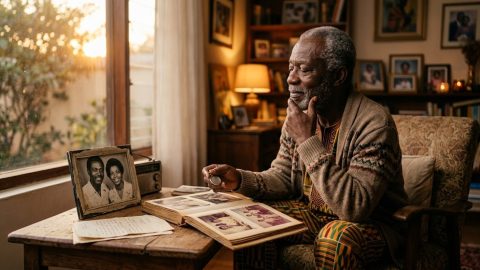
One of the most common ways people remember a father who has passed away is through memories. Looking through old photographs, revisiting family albums or watching old videos can bring comfort and help keep those moments alive.
These small acts often help families feel close to their loved ones, even in their absence. According to the American Psychological Association, maintaining positive memories of deceased loved ones can support emotional healing and help individuals cope with grief over time.
Visiting places that hold meaning
For some, visiting a gravesite or a place that holds special meaning can be part of the day. This might be a family home, a favourite spot, or a place where important memories were made.
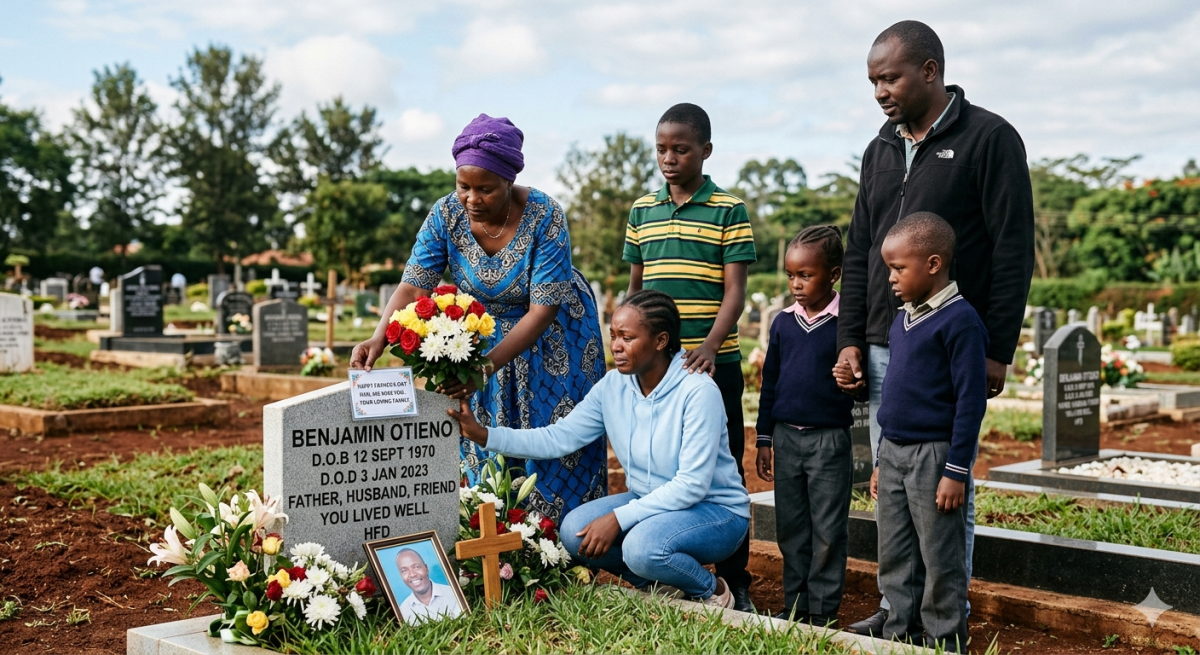
Such visits are not only about mourning but also about acknowledging the impact the person had on family life. Even a quiet moment of reflection in these places can bring a sense of peace and connection.
Continuing traditions they loved
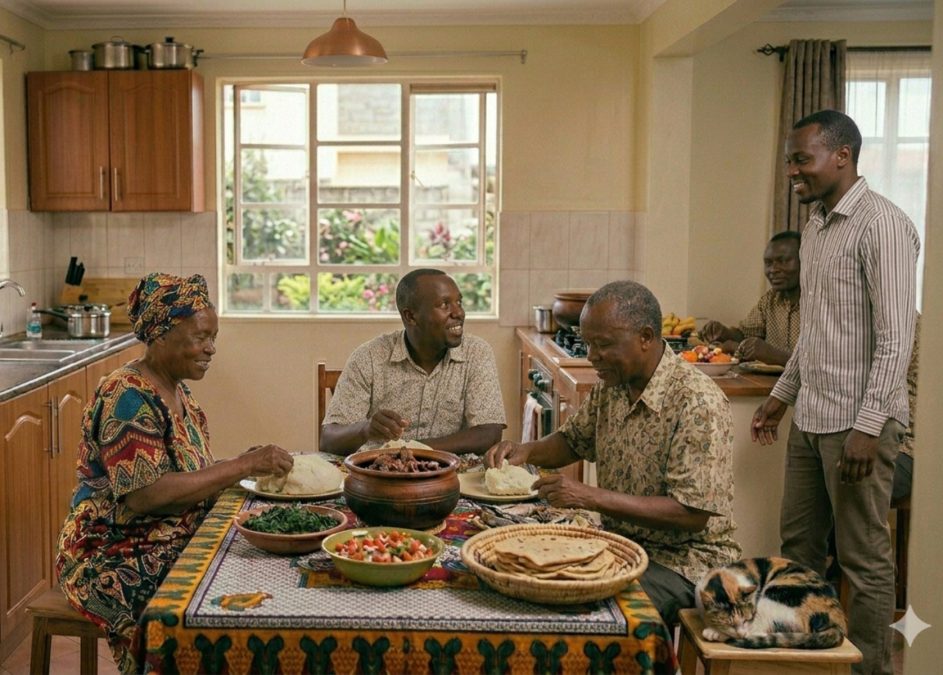
Another way families honour a father who has passed is by continuing traditions he enjoyed. This could be preparing a favourite meal, wearing something he liked, or doing an activity he used to love.
In many households, food plays a central role in remembrance. Sharing a meal that once brought the family together can feel like a quiet continuation of that bond.
According to the Food and Agriculture Organisation (FAO), shared meals and food traditions play an important role in strengthening emotional ties and cultural memory within families.
Writing messages of remembrance
Some people choose to write letters or messages to their late fathers. These writings often include updates about life, expressions of gratitude, or reflections on lessons learned.
While these messages may never be read by the recipient, the act of writing itself can provide emotional release and help individuals process grief in a personal way.
Supporting each other as a family
Father’s Day after a loss is often experienced collectively within families. Coming together, sharing stories and speaking openly about memories can help ease the emotional weight of the day.
Psychological studies from the World Health Organisation highlight that shared emotional support within families can reduce feelings of isolation during grief and promote long-term emotional resilience.
Finding comfort in quiet moments
Not every tribute has to be planned or public. For some, simply taking a quiet moment alone, lighting a candle or listening to a favourite song can be enough.
These personal gestures allow space for reflection without pressure, helping individuals honour their emotions in their own way.
A day of remembrance and love
Father’s Day after loss is not only about remembering absence, but also about appreciating the lasting presence a father leaves behind in values, memories and family identity. While the day may feel different, it still holds meaning.
Whether through memories, traditions or quiet reflection, families continue to find ways to keep the connection alive. In doing so, Father’s Day becomes not just a celebration, but also a gentle reminder that love does not end with loss.