Cows, goats and sheep to get digital IDs in Kenya: How ANITRAC works and should pet owners worry?
By William Muthama, August 29, 2026Your cow, goat or sheep will soon have its own digital identity as Kenya rolls out a new system designed to track livestock from the farm to the market.
The Animal Identification and Traceability System (ANITRAC) will create a digital record showing who owns an animal, where it came from, where it has moved and, eventually, where it was slaughtered.
Agriculture and Livestock Development Cabinet Secretary Mutahi Kagwe is leading the rollout after the programme was formally launched in July 2026.
But does this mean your dog or cat will also need a digital ID?
For now, no.
What is ANITRAC?
But what exactly is ANITRAC?
The Animal Identification and Traceability System is a government platform designed to give livestock a unique identity and create a record that follows the animal throughout its life.
Think of it as a digital passport for livestock.
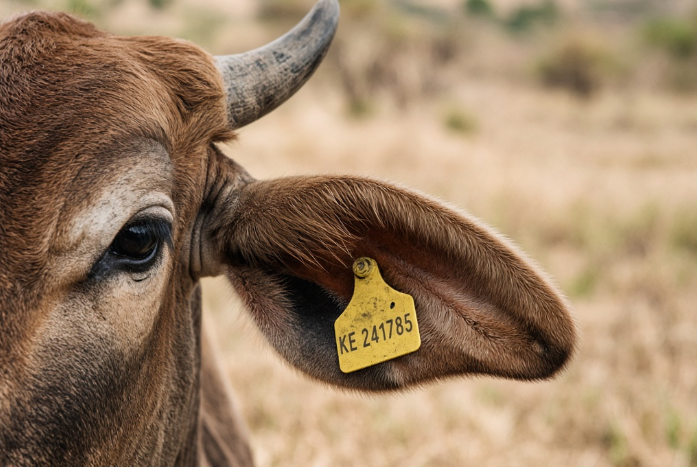
Registered animals will receive physical identifiers linked to a central database. For cattle, goats and sheep, this can include a visual ear tag and an electronic identification device such as an RFID tag.
The record can contain details about the animal’s owner, origin, breed, vaccination, treatment and movements.
How ANITRAC works
When an animal changes ownership, the transaction is expected to leave a digital trail. The registered owner can receive an SMS through KIAMIS to confirm the transfer.
The system can also follow the animal to the slaughterhouse. Carcasses can be given barcodes, allowing meat to be traced back to the animal it came from.
Authorised users, including veterinary officers, abattoirs, traders and government agencies, will access the information.
Why Kenya wants this
Livestock theft is one of the problems ANITRAC is intended to address.
A digital ownership and movement history could make it harder to sell stolen animals through formal markets when their records do not match.
The system is also expected to help authorities respond to disease outbreaks by showing where infected animals came from and which others they may have encountered.
There is also an export angle. International meat buyers increasingly demand proof of origin, health and movement before accepting products.
For farmers, verified ownership could eventually make livestock easier to insure or use as collateral for credit.
Should pet owners worry?
The short answer is no.
Although Kenya’s wider animal identification strategy includes companion animals, the current rollout is focused on food-producing livestock.
Cattle are being prioritised before sheep, goats and other livestock. Pets are expected much later.

If dogs and cats are eventually included, they would be identified through methods such as microchips or collars, rather than livestock ear tags.
The Animal Identification and Traceability Bill, 2026 will determine how compulsory registration is applied.
So, there is currently no nationwide order requiring household dogs and cats to be enrolled in ANITRAC.
For now, Kenya’s digital livestock push is about tackling theft, tracking disease and making its meat easier to trace from farm to market.