World Patient Safety Day: How to keep track of your own medical records so nothing gets missed
By Dan Kauna, September 17, 2026Every year on September 17, World Patient Safety Day draws attention to preventable medical harm in hospitals. In Kenya, many people move between different clinics, public hospitals, and private facilities for treatment.
When doctors do not have access to your previous prescription history or lab test results, repeat tests and wrong diagnoses happen easily.
Keeping your own health records bridges this gap, saving you time and money while keeping you safe.
Keep your health history in one place
You do not need complicated software to keep your medical history updated. A simple physical folder with clear plastic sleeves works well for paper receipts, doctor notes, and lab test reports.
Organise them chronologically by date, placing the newest documents at the top. Alternatively, a small dedicated notebook can capture key details such as drug allergies, current medication dosages, and blood pressure readings.
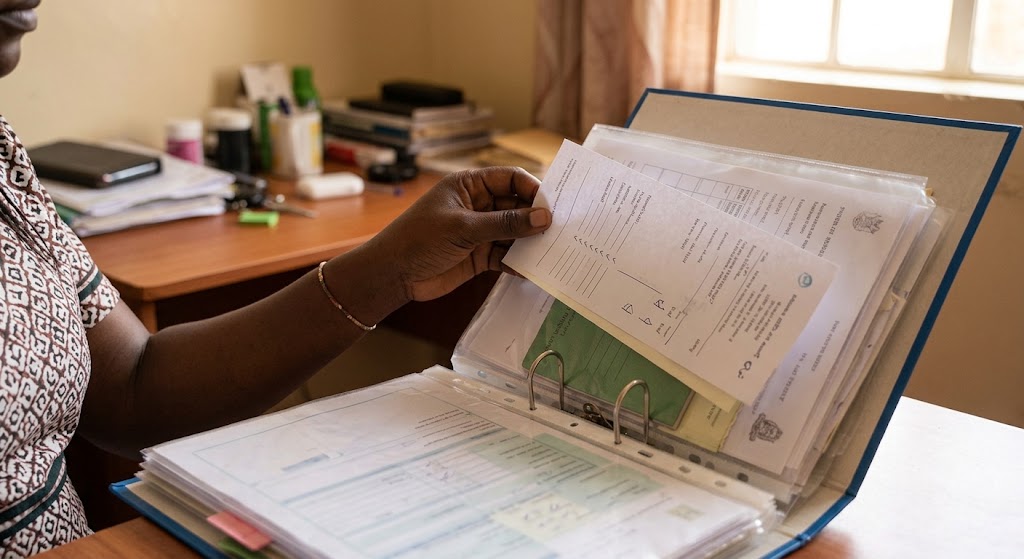
If you prefer digital tools, take clear photos of your prescriptions and lab reports using your mobile phone. Store them in a specific photo album or a cloud folder.
When visiting a new doctor, opening that album gives the healthcare provider an immediate summary of your medical background. This practice aligns with findings from peer-reviewed research.
A study published in BMC Health Services Research notes that personal health records “enable people to play a proactive role in optimising their care.”
What to bring to every hospital visit
Before walking into a clinic, gather your essential health files. Always carry your current prescription bottles or a written list of medicines you take daily, including over-the-counter drugs and supplements.
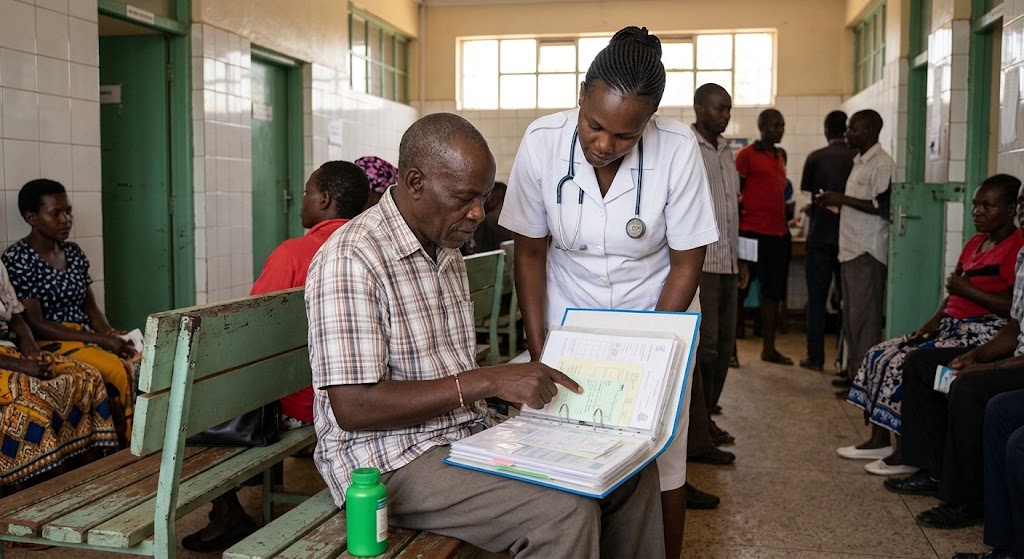
If you recently paid Ksh1,500 for a full blood count or Ksh3,000 for an ultrasound at one facility, carry those results to prevent the new doctor from ordering the exact same expensive tests again.
Make a habit of asking for physical or digital copies of your diagnostic results and discharge summaries before leaving any health facility.
Healthcare workers operate in busy environments, and hospital files can occasionally get misplaced. By keeping your own organised file, you take charge of your health safety and ensure no vital detail gets missed during treatment.