Advertisement
The difference between drug misuse, drug abuse, and drug addiction
16th August, 2026 12:13 PM

Many people use the terms drug misuse, drug abuse and drug addiction as if they mean the same thing. In everyday conversations, the three expressions are often used interchangeably, yet health experts explain that they describe different patterns of drug use.
Understanding these differences is important because each stage presents unique risks to a person’s physical and mental health. What may begin as occasional misuse can develop into harmful drug abuse and eventually progress into addiction.
According to the World Health Organization (WHO), millions of people worldwide experience drug-related disorders that affect their health, relationships, education, and ability to work. Drug use disorders are also linked to increased healthcare costs, reduced productivity, and a higher risk of premature death.
Understanding drug misuse
Drug misuse happens when a person uses a substance in a way that does not follow medical or legal guidelines. This often involves taking prescription medicines without a doctor’s instructions, using larger doses than recommended or sharing medication with another person.
According to the WHO, drug misuse refers to the use of a substance for a purpose that is not consistent with medical or legal recommendations. This may include taking painkillers to improve concentration, using sleeping tablets during the day or continuing to use a prescribed medicine after treatment has ended.
Many people who misuse drugs do not initially believe they are putting themselves at risk. Prescription medicines are often viewed as safer than illegal drugs, yet incorrect use can still cause serious health problems.

The effects of drug misuse can include dizziness, poor concentration, changes in mood, fatigue, sleep disturbances and reduced coordination. Over time, repeated misuse can place extra pressure on vital organs such as the liver, kidneys and heart.
Mental health may also be affected. Anxiety, irritability and depression can develop when medicines are taken inappropriately or for longer than intended.
What drug abuse means
Drug abuse is different because it involves repeated or excessive use of a drug despite the harmful consequences.
The WHO defines drug abuse as persistent or occasional excessive drug use that is inconsistent with acceptable medical practice. In many cases, the pattern of use begins to interfere with daily life.
Someone experiencing drug abuse may continue using a substance even after recognising that it is causing problems at home, at school or in the workplace.
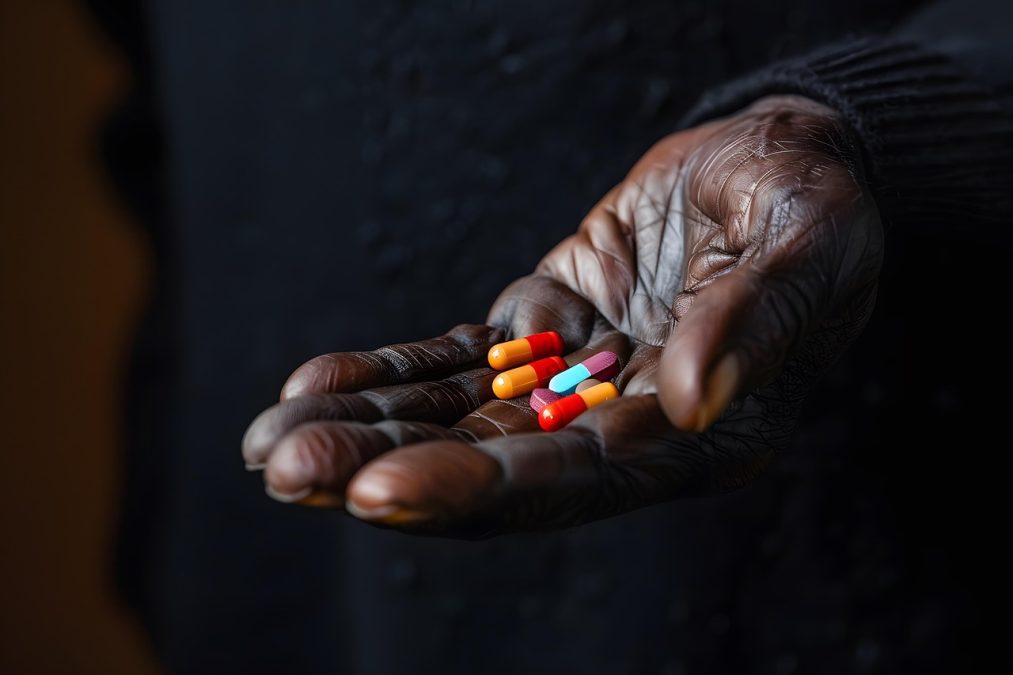
The health effects become more severe at this stage. Drug abuse can weaken the immune system, increase the risk of infections and contribute to heart disease, liver damage and respiratory complications.
Mental health problems also become more noticeable. A person may experience emotional instability, memory difficulties, aggression and symptoms of depression. Social relationships often suffer as family conflicts, financial difficulties and poor work performance become more common.
Harmful drug use also creates a significant burden on families and communities because of its impact on health and productivity.
Drug addiction and loss of control
Drug addiction is considered the most serious stage because the person develops a powerful physical or psychological dependence on a substance. Unlike misuse or abuse, addiction is marked by an inability to stop using a drug even when the harmful effects are obvious.
The WHO describes dependence as a condition in which a person develops a strong internal drive to continue using a substance. This often includes difficulty controlling drug use, giving drugs priority over other responsibilities, and continuing to use them despite negative consequences.

One of the main signs of addiction is tolerance. This means a person gradually needs larger amounts of a drug to experience the same effect. Withdrawal symptoms may also appear when drug use is reduced or stopped.
Addiction can affect nearly every system in the body. Long-term use may damage the brain, heart, lungs and digestive system. It can also increase the risk of overdose, disability and premature death.
Beyond physical health, addiction can disrupt education, employment and personal relationships. Recovery often requires professional treatment, emotional support and long-term follow-up.