Why some people talk and walk in their sleep
By Katemarthason Okudo, August 25, 2026Sleep is meant to give the body and brain time to rest, but for some people, unusual things can happen while they are asleep. They may talk, mumble, shout or even get out of bed and walk around without knowing what they are doing.
Sleep talking and sleepwalking are known as parasomnias, a group of sleep-related behaviours that happen when the brain is between different states of sleep and wakefulness. Although they can be worrying to family members, occasional episodes are usually not a sign of a serious problem.
What causes sleep talking?
Sleep talking, medically known as somniloquy, can happen during different stages of sleep. A person may whisper, mumble, make sounds or speak in complete sentences without being aware of it.
The exact cause of sleep talking is not fully understood, although it can run in families. It is also associated with disrupted sleep, stress and some other sleep-related conditions. In most cases, sleep talking is harmless and the person may not remember anything about it the following morning.
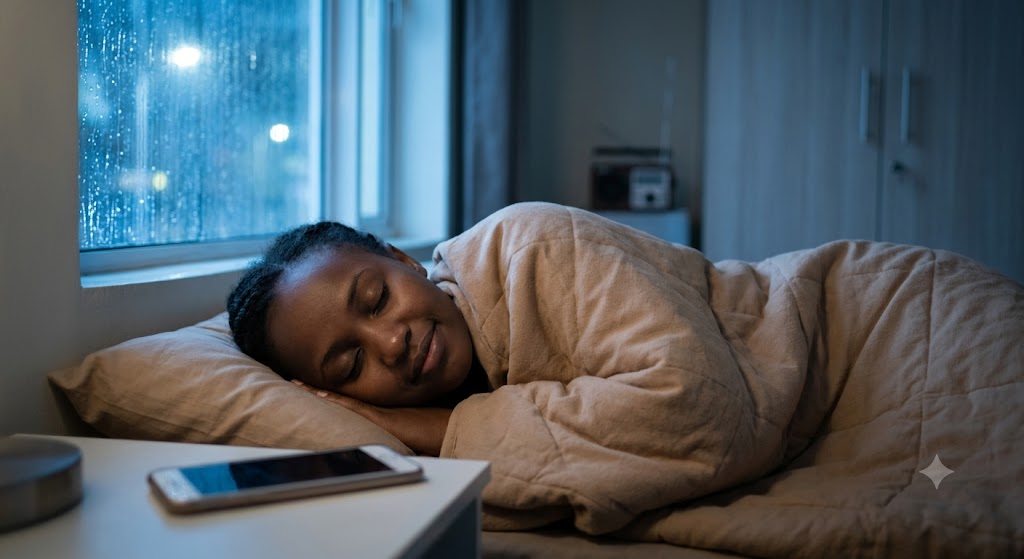
Poor sleep can also play a role. Going to bed very tired, having an irregular sleeping schedule, or frequently waking during the night can make unusual behaviours during sleep more likely. Stress and anxiety may also affect the quality of sleep and contribute to episodes.
Sleep talking can sometimes occur alongside other parasomnias, including sleepwalking and night terrors. It may also be associated with conditions such as sleep apnoea, particularly when sleep is repeatedly interrupted.
Why does sleepwalking happen?
Sleepwalking is slightly different because it involves movement while a person remains largely asleep. Someone may sit up, get out of bed, walk around the house or perform simple activities without being fully aware of their surroundings.
Sleepwalking happens when a person partly wakes from deep sleep, allowing the body to move while the brain has not fully reached a waking state. It commonly occurs during the first part of the night.
Sleep deprivation is one of the factors that can trigger sleepwalking. Stress, fever, changes in sleeping patterns and travelling can also contribute. Some medicines, alcohol and other sleep disorders may increase the likelihood of an episode.
There is also a family connection. According to Mayo Clinic, sleepwalking tends to run in families and is more common in children than adults. Children who sleepwalk often stop doing so as they grow older.
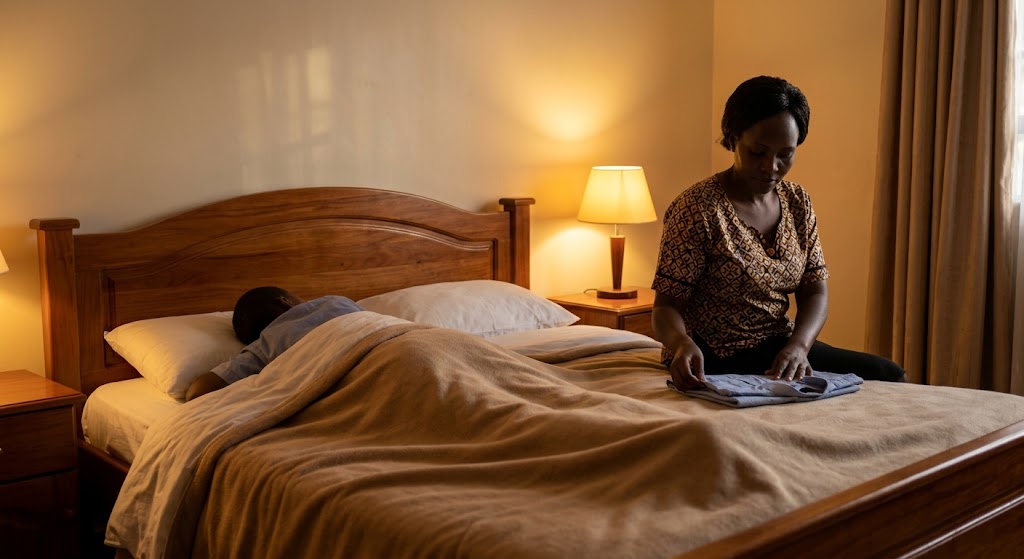
When should it become a concern?
Occasional sleep talking or sleepwalking may not require medical attention. However, frequent episodes should not simply be ignored, especially when they interfere with normal sleep or daily activities.
A healthcare professional should be consulted if sleepwalking leads to injuries, dangerous behaviour, leaving the house or significant daytime tiredness. New sleepwalking that begins during adulthood may also need assessment because it can sometimes be linked to another sleep disorder or medical condition.
For people who sleepwalk, making the bedroom and surrounding area safer is important. Doors and windows can be secured, while objects that could cause injury should be kept away from the sleeping area.
Getting enough sleep and maintaining a regular sleeping routine may also help reduce episodes. Managing stress and avoiding alcohol before bedtime can further support better sleep.