Why dancing counts as a real workout
By Dan Kauna, June 5, 2026If your gym sneakers are gathering dust but your favourite shoes are worn out from dancing until dawn, stop feeling guilty.
You aren’t slacking on your health goals; you might actually be crushing them.
Nairobi’s legendary music scene isn’t just about incredible vibes and late nights; every hour you spend moving to Amapiano, Afrobeat, or dancehall in a crowded room is doing serious wonders for your body and mind.
Dancing is moderate aerobic exercise, full stop
When you dance, your heart rate rises, your lungs work harder, your legs carry your body weight through continuous movement, and your core stabilises you through every shift in rhythm.
What makes dancing unusual is that it pairs all of that cardiovascular demand with neurological engagement that a treadmill simply cannot match.
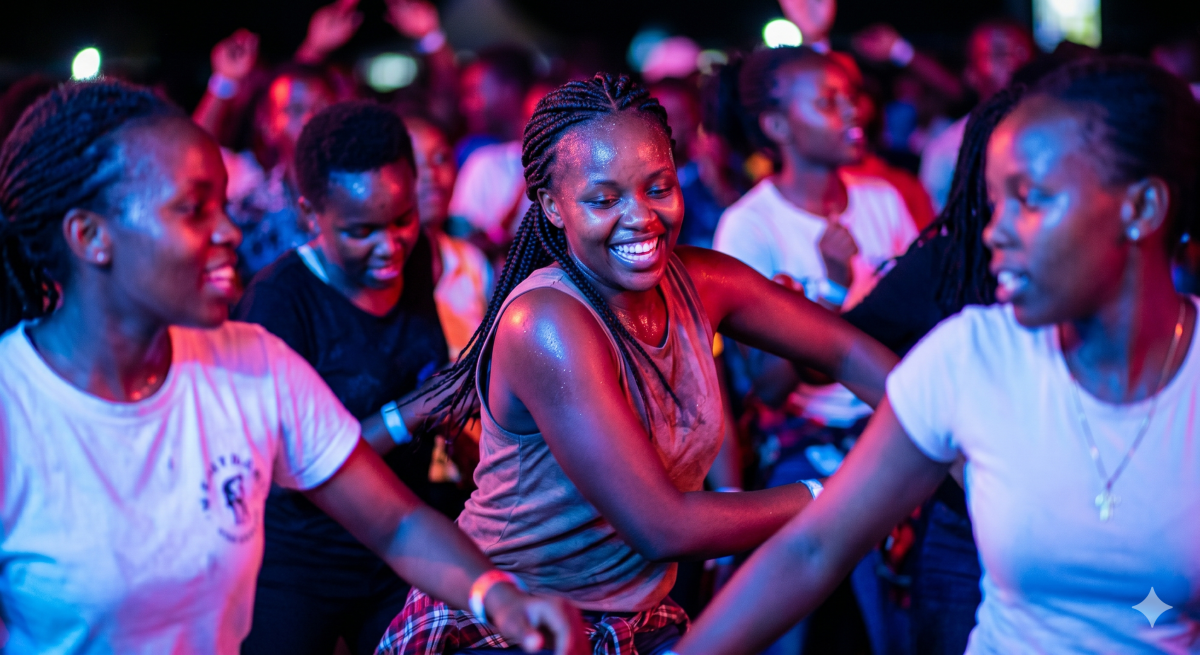
Your brain is decoding rhythm, anticipating the next beat, synchronising your limbs, reading the movement of people around you, and responding to melody all at once.
That layered cognitive load is part of why researchers have found dance to be particularly effective for memory, attention, and mental sharpness.
Why you will actually keep doing it
A 2024 review and meta-analysis published in Sports Medicine found that structured dance is generally equal to, and sometimes more effective than, other forms of physical activity for improving emotional well-being, depression, motivation, social cognition, and aspects of memory.
Lead author Dr Alycia Fong Yan of the University of Sydney put it plainly: “Preliminary evidence suggests that dance may be better than other physical activities to improve psychological wellbeing and cognitive capacity.”
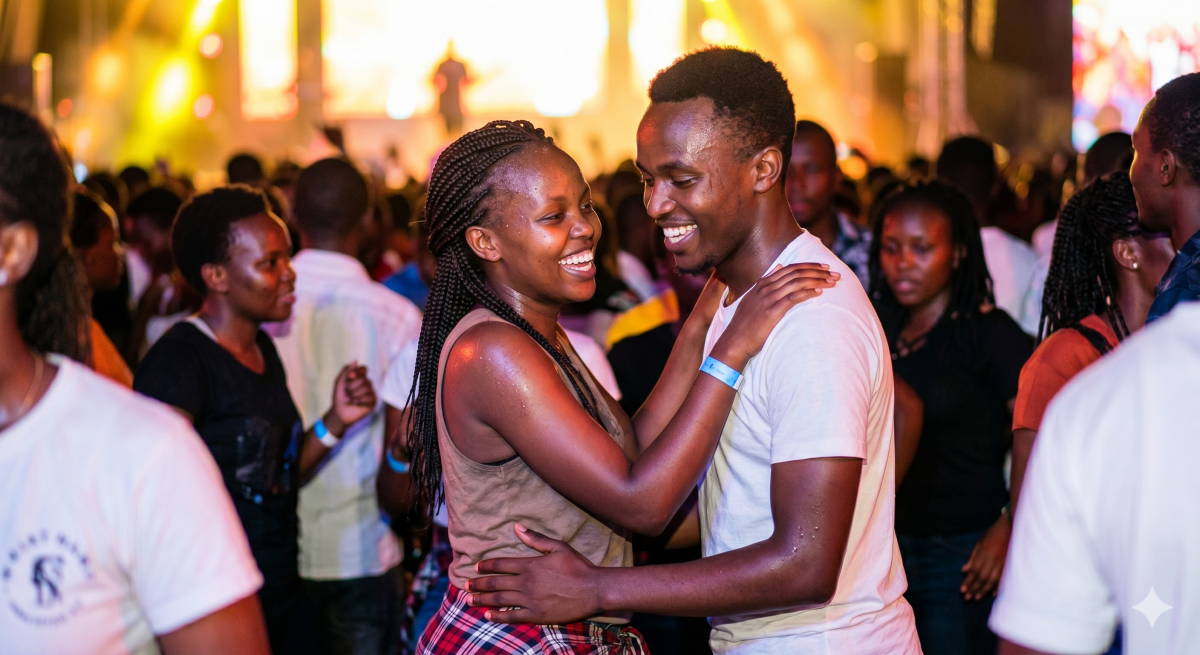
The review also found that people who dance are more likely to stick with it than people who take up conventional exercise programmes.
This is the part that matters most for Nairobi, where gym memberships are expensive, road running carries safety concerns, and structured exercise classes remain out of reach for many people.
Live music events are not that. A Nairobi concert, festival, or night that ends in dancing is affordable, social, culturally resonant, and, according to the evidence, a legitimate and repeatable fitness event.
What happens to your body on the dance floor
A full evening of dancing at moderate intensity burns roughly 200 to 400 calories per hour, depending on body weight and energy output. Your cardiovascular system is being trained.
Your balance, coordination, and muscular endurance are all being challenged. And the social dimension (moving in rhythm with other people, responding to shared music) activates reward pathways in the brain that release dopamine and lower cortisol, the stress hormone.
Nairobi has one of the richest live music cultures on the continent.
The city gives people consistent, high-energy reasons to move. For many residents, that is already their most reliable and most enjoyable form of exercise. They just have not thought to call it that.