What your hair tells you about your health – signs worth knowing
By Dan Kauna, June 17, 2026Every day, Kenyans invest heavily in keeping their hair looking good. Whether it is a fresh buzz cut, neat dreadlocks, or the latest braids, our hair is a major part of our personal style.
But your strands do more than just make you look sharp. They act as an early warning system for your body, dropping clear hints about your internal health long before you feel sick.
Paying attention to these sudden changes can help you catch serious health issues early.
Massive shedding and thyroid issues
It is completely normal to lose a few strands when combing or washing your hair. However, if you start noticing handfuls of hair on your pillow, in the bathroom sink, or on your clothes, it is a sign that something is off.
While high stress levels can trigger temporary hair fall, constant and excessive shedding is often tied to thyroid problems. Both an underactive and overactive thyroid disrupt your metabolism, forcing hair follicles to stop growing all at once.
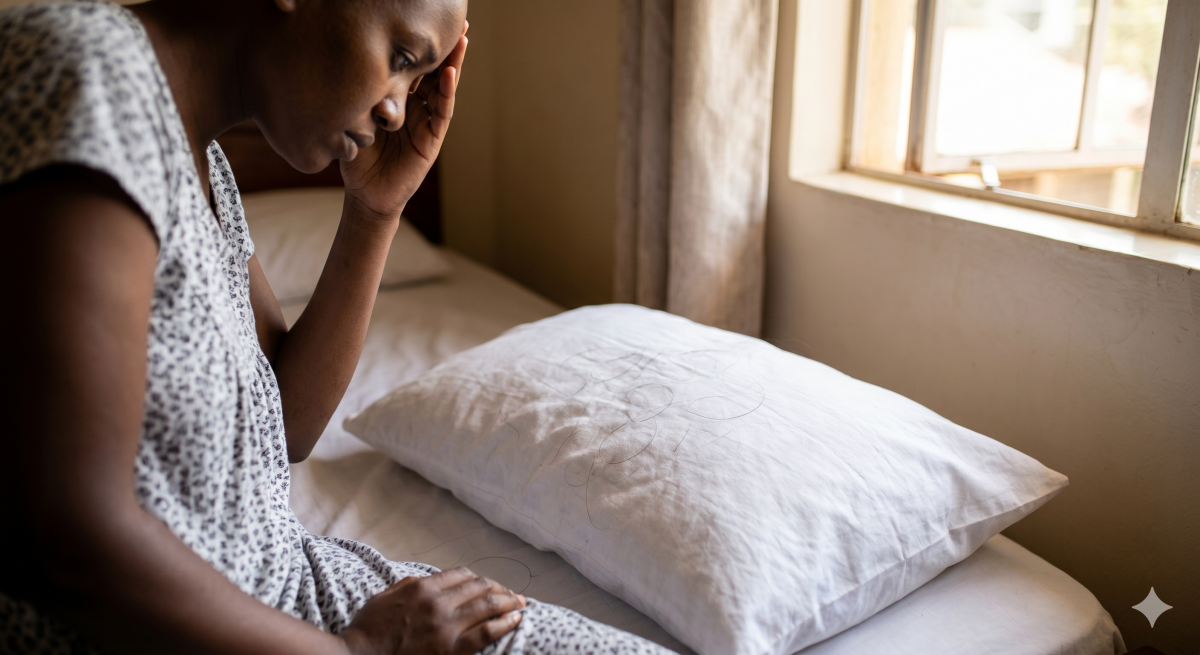
A medical study published on PMC confirms this link, noting that “a common cause of TE (Telogen Effluvium – temporary hair loss) is thyroid dysfunction, particularly hypothyroidism.” When this happens, your hair thins out all over your head rather than leaving round, smooth bald patches.
If you notice this, getting a simple blood test at a clinic is a smart move.
Early greying and scalp changes
Finding a few grey hairs in your late thirties is just part of getting older. But if you are in your twenties and suddenly spotting patches of silver, your diet might be lacking key nutrients.
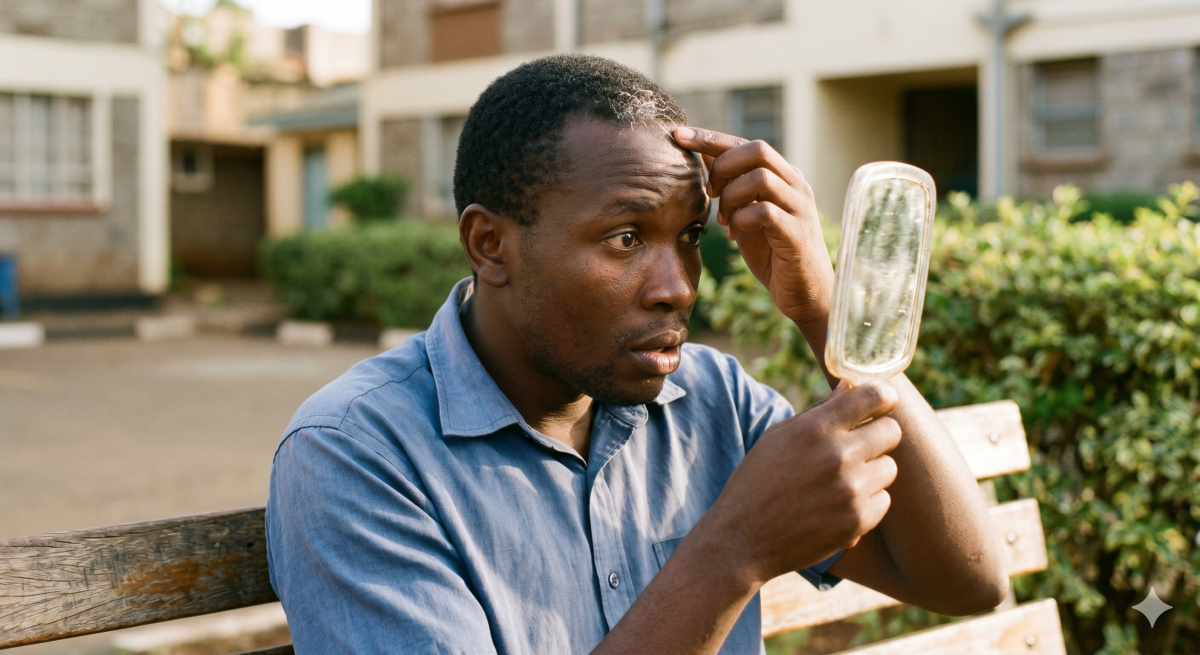
A severe shortage of Vitamin B12, iron, or copper can stop your body from producing melanin, which is the pigment that gives your hair its natural colour. This is especially true for people dealing with unmanaged anaemia or gut issues that block nutrient absorption.
Your scalp tells a story too. A sudden shift to extreme dryness, intense itching, or an oily scalp can point to a hormonal imbalance. For women, a sudden spike in male hormones, often linked to conditions like Polycystic Ovary Syndrome (PCOS), can change hair texture and cause thinning at the crown.
Your hair does not just change its behaviour for no reason. Instead of rushing to buy expensive oils or switching salons, take a moment to listen to what your body is trying to tell you.