Advertisement
What you should know about boils
01st June, 2026 01:53 PM
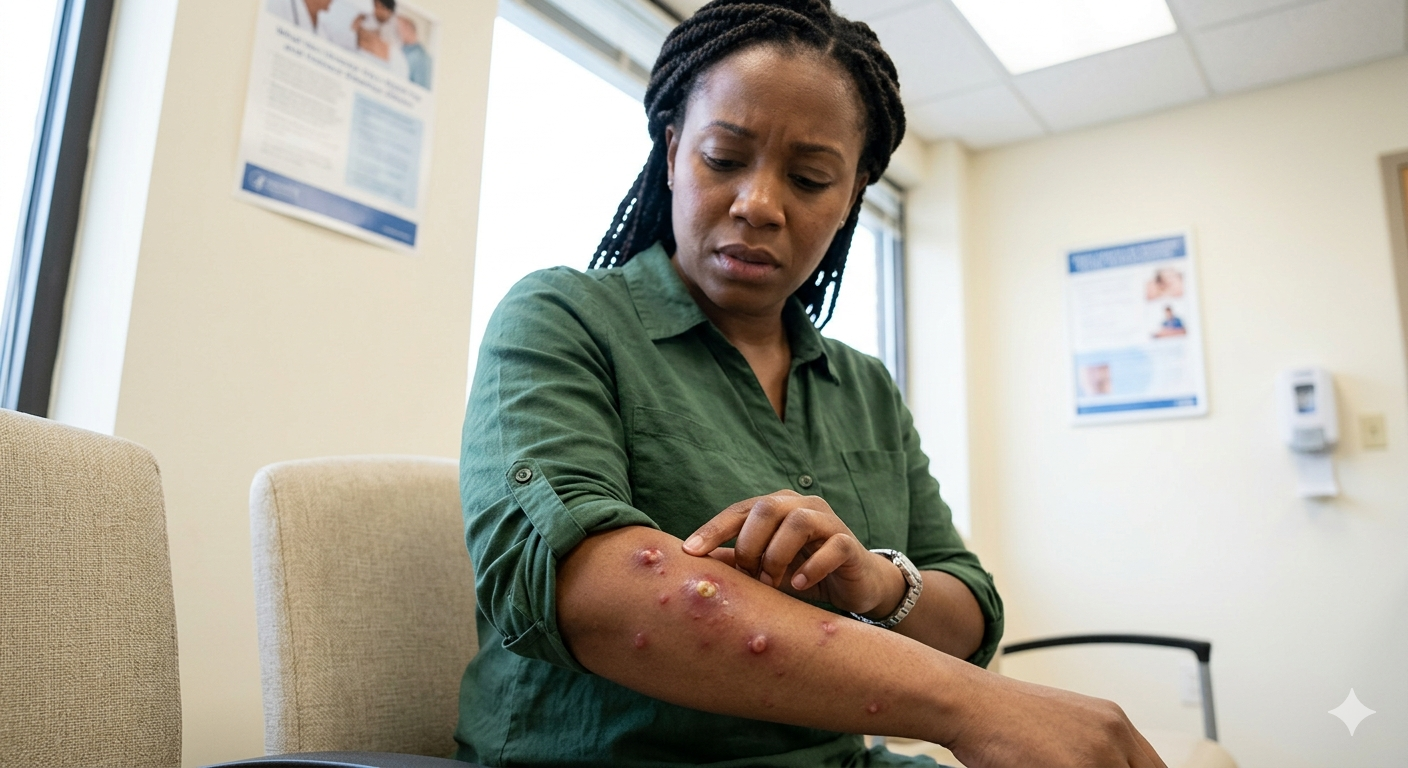
Boils are a common skin problem that many people experience at some point in life. While they may start as a small, painful bump, they can quickly grow into larger, pus-filled lumps that cause discomfort and sometimes lead to more serious health concerns.
Understanding what causes boils, their effects on the body, and how to prevent them can help reduce the risk of repeated infections.
What causes boils?
A boil develops when bacteria, most commonly Staphylococcus aureus, enter the skin through tiny cuts, scratches, or hair follicles. According to the National Health Service (NHS), the body responds by sending white blood cells to fight the infection, leading to the formation of pus beneath the skin.
Boils can appear anywhere on the body but are more common on the face, neck, armpits, thighs, and buttocks. Factors such as poor hygiene, excessive sweating, weakened immunity, diabetes, and close contact with infected individuals can increase the risk of developing boils.
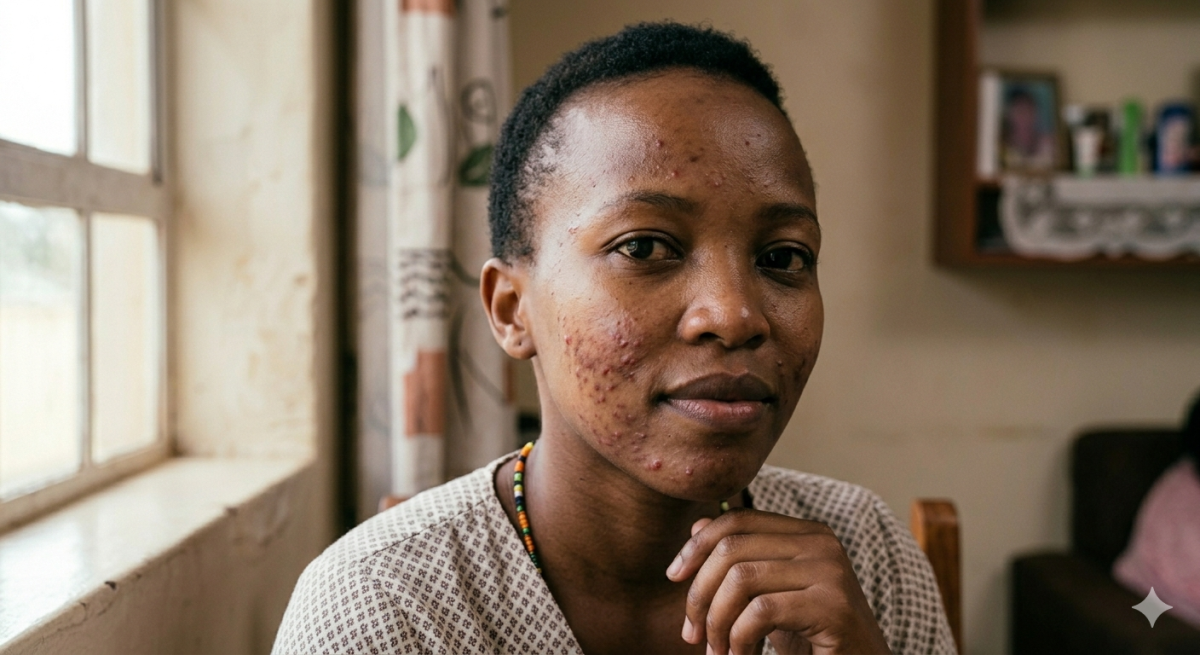
Health expert noted that skin infections are often more likely to occur when the skin barrier is damaged or when personal hygiene practices are not consistently maintained.
Effects on the body and overall health
Although many boils heal on their own, they should not always be ignored. A boil can cause significant pain, redness, swelling, and tenderness around the affected area. In some cases, a person may develop fever, fatigue, or swollen lymph nodes if the infection spreads.
According to the Mayo Clinic, squeezing or attempting to burst a boil at home can push bacteria deeper into the skin and increase the risk of complications. Multiple boils occurring together may form a deeper infection known as a carbuncle, which often requires medical treatment.
“Most boils are caused by bacterial infection and should be kept clean and monitored closely. Seeking medical attention is important if a boil becomes unusually large, painful, or is accompanied by fever,” Mayo Clinic advised.
Recurring boils may be a sign of an underlying condition such as diabetes, obesity, or a weakened immune system. Repeated infections can affect a person’s comfort, mobility, and quality of life, especially when boils occur in areas exposed to friction.

How to prevent boils
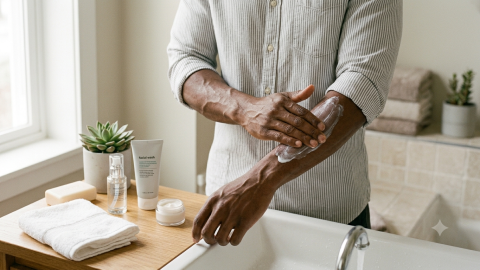
Good hygiene remains one of the most effective ways to prevent boils. The Centers for Disease Control and Prevention (CDC) recommended regular handwashing and keeping the skin clean, especially after sweating.
People should avoid sharing personal items such as towels, razors, and clothing, as bacteria can spread through direct contact. Any cuts or wounds should be cleaned promptly and covered until they heal.
Maintaining a healthy lifestyle can also help. Eating a balanced diet, managing conditions such as diabetes, staying physically active, and getting enough rest can support the immune system and reduce the likelihood of skin infections.
While boils are often treatable, paying attention to early signs and practicing good hygiene can help prevent discomfort and protect overall skin health. In many cases, simple preventive measures can make a significant difference in keeping the skin healthy and infection-free.