What happens inside your body when your joints crack
By Katemarthason Okudo, August 21, 2026A sudden crack from the knee, ankle, fingers or back can make someone stop and wonder what is happening inside the body. For some people, the sound comes when they stretch after sitting for a long time, while others notice it when walking, bending, or simply moving their fingers.
Joint cracking is common and, in most cases, it does not mean that something is wrong. The sound can come from several normal processes taking place around the joints, including movement of fluid, tendons and ligaments.
However, when the cracking is accompanied by pain, swelling or difficulty moving, it may need closer attention.
The sound can come from gas in the joint
Many joints in the body are surrounded by a capsule containing synovial fluid. This fluid helps lubricate the joint and allows the bones to move smoothly.
According to the Cleveland Clinic, the fluid contains gases such as oxygen, nitrogen, and carbon dioxide. When a joint is stretched or moved in a particular way, pressure inside the joint can change, producing the familiar popping or cracking sound.
This is one reason why the fingers may crack when they are pulled or bent. The sound does not necessarily mean that bones are rubbing against each other or being damaged.

Tendons and ligaments can also make noise
Not every crack comes from inside the joint itself. Tendons connect muscles to bones, while ligaments connect bones. As the body moves, these tissues can shift over nearby structures.
Sometimes, a tendon or ligament moves across a bony area and then returns to its usual position, creating a snapping or popping sound. This can happen around areas such as the knee or ankle when a person stands up, walks, or changes direction.
The movement may feel more noticeable in some people because of their body structure, previous injuries or the way they move.
Age can make joints noisier
Some people begin noticing more clicking, grinding or cracking as they get older. This can happen because cartilage, which provides a smooth surface between bones, can gradually become less smooth over time.
Wear and tear of cartilage can make joint surfaces rougher and lead to a condition known as crepitus. The term describes clicking, cracking, grinding or grating sounds or sensations around a joint.
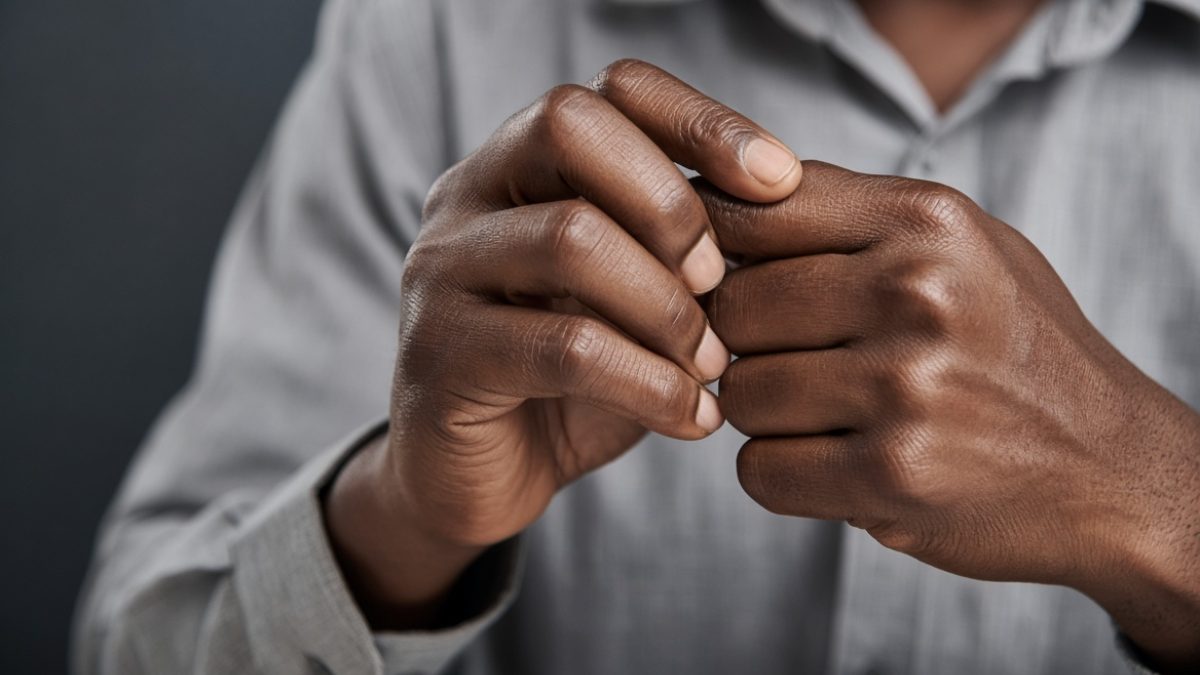
A noisy knee does not automatically mean arthritis. In fact, joint sounds without pain or other symptoms are often harmless.
Cracking does not automatically mean arthritis
There is a long-standing belief that deliberately cracking the fingers causes arthritis. However, joint cracking by itself has not been shown to cause the condition.
The important thing is what accompanies the sound.
Noisy joints that are not painful are generally harmless. However, cracking accompanied by pain or swelling may point to an underlying problem involving the joint or surrounding tissues.
This is particularly important when the sound begins after an injury or is accompanied by stiffness, weakness or difficulty moving the affected area.
When should you see a doctor?
An occasional crack without pain is usually not a reason for concern. The situation is different when the joint becomes painful, swollen, warm or difficult to move.
Joint pain accompanied by swelling, redness, tenderness or warmth should be assessed by a healthcare professional. Sudden severe pain or swelling following an injury also requires medical attention.