Want to know your body fat percentage? This is how you calculate it
By Katemarthason Okudo, September 28, 2026When people want to know whether they are gaining or losing weight, the weighing scale is often the first place they look. But body weight does not tell the whole story.
Two people can weigh the same amount but have different amounts of body fat and muscle. This is why body fat percentage can provide another way of understanding body composition.
Body fat percentage refers to the amount of your total body weight that comes from fat. The body needs some fat to store energy, protect organs and support normal body functions. The amount considered healthy can vary depending on factors such as age and sex.
Start with your Body Mass Index
One of the simpler ways to estimate body fat percentage is by first calculating your Body Mass Index, commonly known as BMI. Body Mass Index is a number calculated using your weight and height. It is commonly used as a general screening tool to place adults into different weight categories.
According to the Centers for Disease Control and Prevention (CDC), Body Mass Index is calculated by dividing a person’s weight in kilogrammes by their height in metres squared.
For example, if someone weighs 70 kilogrammes and is 1.70 metres tall, the calculation is 70 divided by 1.70 multiplied by 1.70. The result is about 24.2.
It is important to remember that Body Mass Index does not directly measure body fat. Someone who has a lot of muscle, for example, may have a higher Body Mass Index because muscle weighs more than fat.
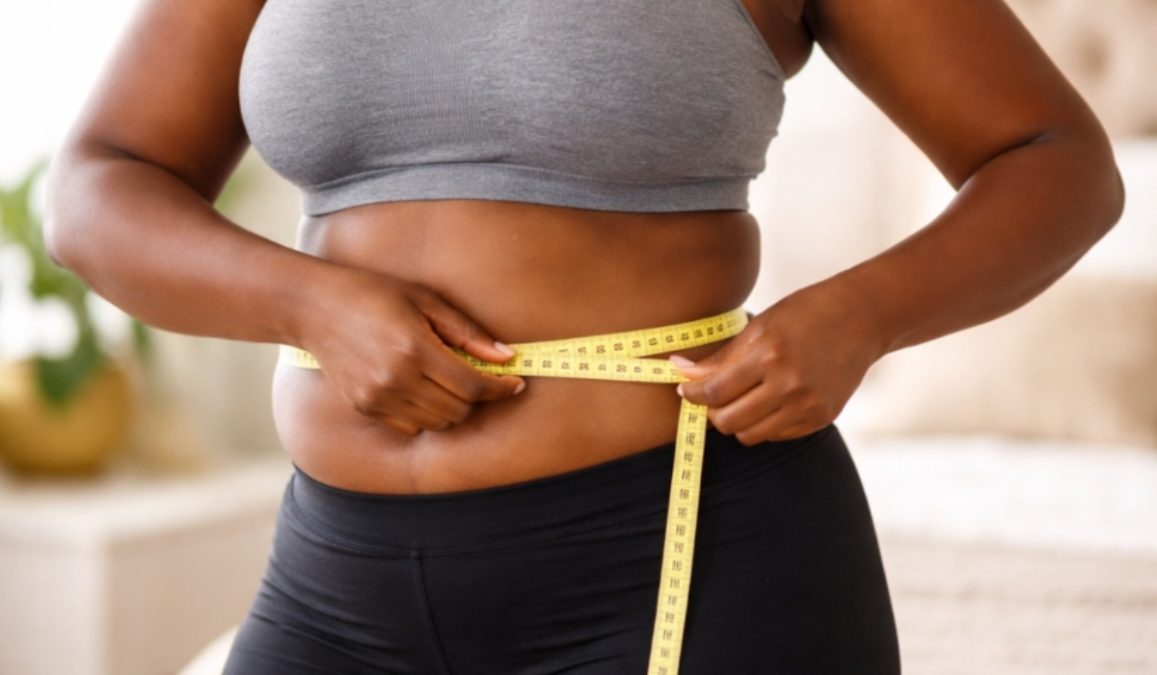
Turning the number into an estimate
Once you have your Body Mass Index, there are formulas that can provide an estimated body fat percentage. These formulas also take age and sex into account.
For women, one commonly used formula is:
Body fat percentage = (1.20 × Body Mass Index) + (0.23 × age) − 16.2
For men, the formula is:
Body fat percentage = (1.20 × Body Mass Index) + (0.23 × age) − 16.2
Because these calculations are estimates, the result should not be treated as an exact measurement of how much fat is in the body.
For example, a 30-year-old woman with a Body Mass Index of 24 would get an estimated body fat percentage by putting those figures into the formula. The result would be around 19 per cent using this particular equation.
Different formulas can produce different results, so the figure should be viewed as a guide rather than a medical diagnosis.
Other ways to measure body fat
A person who wants a more direct measurement can use other methods.
Skinfold measurements use a special tool called a calliper to measure the thickness of fat under the skin at different parts of the body. The measurements are then used to estimate total body fat.
Some weighing scales use a method called bioelectrical impedance analysis. These devices send a very small electrical current through the body and use the way the current travels through the body to estimate body fat and other parts of body composition.
There are also more specialised methods, such as dual-energy X-ray absorptiometry, commonly called a DEXA scan. It uses low-dose X-rays to assess bone, fat and lean tissue.
According to the CDC, different methods of assessing body composition have their own advantages and limitations, meaning no single method should be treated as perfect.
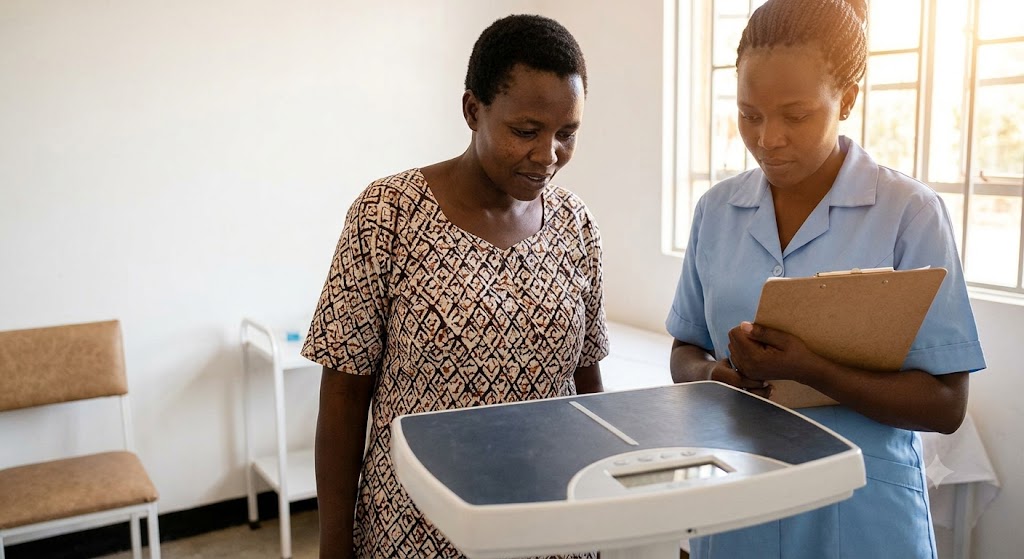
Why your reading can change
Body fat readings can sometimes change even when there has not been a major change in actual body fat.
Hydration, food intake, exercise, and the type of measuring device can affect some measurements, particularly those from bioelectrical impedance scales.
This is why someone tracking their body composition may find it more useful to measure themselves under similar conditions each time rather than comparing readings from different devices.
Look beyond one number
Body fat percentage can be useful, but it should not be used on its own to decide whether someone is healthy.
Body Mass Index is only one measure that can be considered alongside other factors such as eating habits, physical activity, medical history, physical examination, and laboratory tests.
For most people, maintaining regular physical activity, eating a balanced diet, getting enough sleep and developing sustainable habits are more useful long-term goals than trying to reach a particular body fat number.
Knowing your body fat percentage can provide useful information about your body composition, but the figure is only one part of the bigger picture of health.