Advertisement
Vaping may not be as safe as believed, research warns
28th May, 2026 09:25 PM
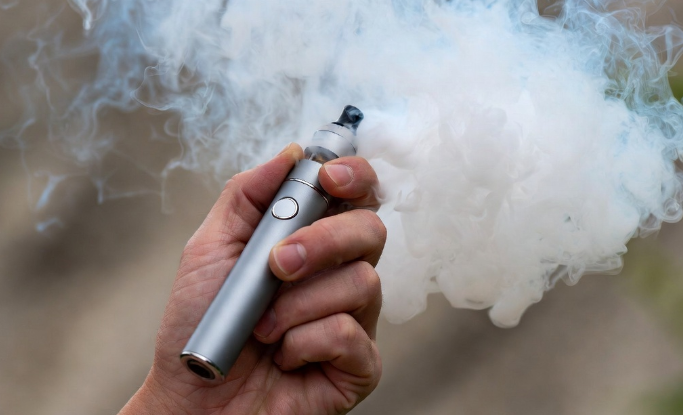
Vaping is often marketed as a safer alternative to cigarettes, but safer doesn’t always mean safe. New evidence suggests that nicotine-based e-cigarettes may increase the risk of some cancers, according to a recently published review in the journal Carcinogenesis.
What did the study find about how vaping could contribute to cancer? Is vaping an effective way to quit smoking? And what should parents know about teens and young adults and vaping?
Vaping and cancer risk
Dr Leana Wen: This paper was not a single experiment but rather a large scientific review of evidence on e-cigarettes and cancer-related mechanisms.
The authors reviewed findings from laboratory studies, animal studies, human biomarker studies and epidemiologic research looking at how vaping affects cells and tissues in ways linked to cancer development.
The review summarised evidence showing that e-cigarette aerosols can damage DNA and trigger chronic inflammation, which are processes associated with cancer formation.
Researchers also examined studies finding that vaping aerosols contain potentially carcinogenic compounds, including formaldehyde, acetaldehyde and heavy metals such as nickel, chromium and lead that may come from heating elements within devices.
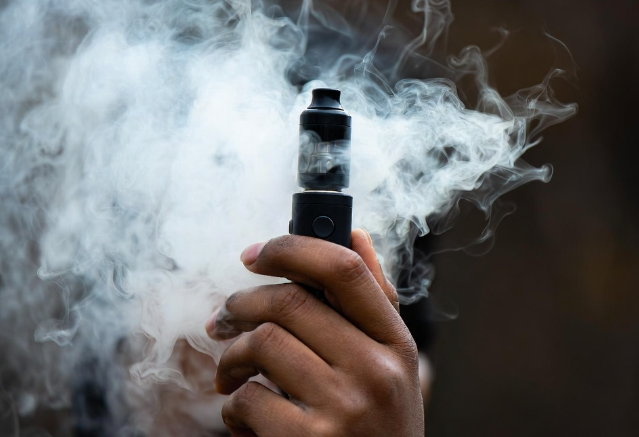
In addition, they examined evidence suggesting possible associations between vaping and cancers involving the lungs, mouth and bladder.
The authors were careful to note the limitations of the current evidence.
E-cigarettes have only become widely used over the last decade or so, and many cancers take decades to develop.
That means we do not yet have the kind of long-term population data that definitively quantifies cancer risk the way we can for traditional cigarettes. Many of the existing studies are laboratory-based, involve animals or examine short-term biological changes rather than actual cancer diagnoses in humans.
Still, taken together, the authors concluded that the consistency of findings across many different types of studies raises substantial concern that vaping is not benign and could increase cancer risk over time.
Wen: Many people assume that because e-cigarettes do not involve combustion, they are essentially harmless. Indeed, vaping generally exposes users to fewer toxic chemicals than traditional cigarettes. But fewer harmful chemicals does mean no harmful chemicals.
E-cigarettes heat liquid solutions that often contain nicotine, flavouring chemicals and solvents such as propylene glycol and vegetable glycerin.
When these substances are heated, they can break down into compounds that may damage cells and DNA. The aerosol generated by vaping devices also contains ultrafine particles that can be inhaled deep into the lungs and cause chronic inflammation.
Nicotine itself is also not biologically neutral. While nicotine is not considered a classic carcinogen in the same category as tobacco smoke, it may promote tumour growth, blood vessel formation and cellular signaling pathways that support cancer progression. And nicotine has many other negative impacts, especially in young people.
Is vaping still safer than smoking cigarettes?
Wen: Based on what we currently know, vaping is probably less harmful than smoking combustible cigarettes. Cigarette smoke contains thousands of chemicals, including dozens of known carcinogens, and smoking remains one of the leading preventable causes of death worldwide.
However, I worry that “safer than cigarettes” is often interpreted as “safe,” and that is not supported by the evidence. Vaping exposes users to nicotine, which is an addictive substance, and a range of potentially harmful substances.

Vaping can exacerbate respiratory problems in people with asthma and other chronic lung conditions. We are also still learning about the long-term consequences because these products have not existed for nearly as long as cigarettes.
This distinction is especially important for adolescents and young adults who may never otherwise have smoked cigarettes. For someone who does not smoke, starting to vape is never a good health-promoting choice.
Can e-cigarettes help people quit smoking?
Wen: There are certainly anecdotal reports from people who say vaping helped them stop smoking cigarettes, and some studies suggest that e-cigarettes may help certain adults reduce or quit combustible tobacco use.
However, other studies contradict these reports, and it’s crucial to note that e-cigarettes are not approved by the US Food and Drug Administration as smoking cessation devices.
A major concern is that many people who start vaping to quit smoking end up continuing to use nicotine in the long term, either through vaping alone or through what’s called “dual use” of cigarettes and e-cigarettes. In other words, they may switch the delivery system without addressing the nicotine addiction itself.
Some FDA-approved smoking cessation tools have much stronger evidence behind them. These tools include nicotine replacement therapies such as nicotine patches, gums, lozenges, inhalers and nasal sprays, which are designed to help reduce withdrawal symptoms in a controlled way.
Two prescription medications, varenicline and bupropion, can also significantly improve quit rates, especially when combined with behavioural counselling and support programs.
For people who smoke cigarettes and want to quit, I recommend that they discuss a structured cessation program with their clinician and use evidence-based methods and approaches approved by the FDA rather than relying on commercial vaping products that are not approved for smoking cessation.

Wen: This “dual use” is very common. Many people continue smoking cigarettes while also vaping, either because they are trying to cut down or because they use e-cigarettes in places where cigarette smoking is prohibited.
The problem is that dual users are continuing to expose themselves to the toxic effects of cigarettes while adding additional exposures from vaping. Some studies have suggested that dual users can have cardiovascular and respiratory risks similar to or even higher than the harms seen with smoking alone.
One key issue is how much smoking is actually reduced. If someone goes from a pack a day to one cigarette a week, that is very different from someone who continues smoking half a pack daily while vaping heavily. Complete smoking cessation should remain the goal.
Risks for teens and young adults who vape
Wen: Adolescents and young adults are a major concern because nicotine can affect the developing brain, particularly areas involved in attention, learning and impulse control.
M Many reported frequent use, and flavoured products remain especially popular among youth.
Teenagers also may underestimate the amount of nicotine they are consuming. Many vaping products contain extremely high nicotine concentrations. Nicotine addiction can develop quickly in adolescents.
Evidence also exists that vaping among youth is associated with increased likelihood of later cigarette smoking and other substance use. Beyond nicotine addiction, there are concerns about respiratory effects, associations with mental health conditions such as depression, and exposure to potentially toxic chemicals during critical developmental periods.