Strength training: The secret weapon for women’s heart health
By CNN, July 8, 2026For decades, the prescription for better heart health has centred around aerobic exercise and moving more: Get in your steps and avoid sitting too much.
That advice isn’t wrong, but new research suggests another important piece of the puzzle. A recent study found that women who regularly engaged in strength training, also known as resistance training, had a lower risk of major cardiovascular disease, particularly heart attacks.
Women who performed two or more hours of resistance training weekly had a 20 per cent lower risk of major cardiovascular disease and a 44 per cent lower risk of heart attacks compared with those who did none.
To help women reap the heart benefits of strength training, I’ve created an easy-to-follow strength routine that reflects the report’s findings. Read on to learn why and how to start integrating resistance training into your weekly fitness regimen.
A single exercise style doesn’t build a healthy heart
The most important finding from the study wasn’t simply that strength training was beneficial; it was that the women with the lowest cardiovascular risk combined three healthy fitness habits.
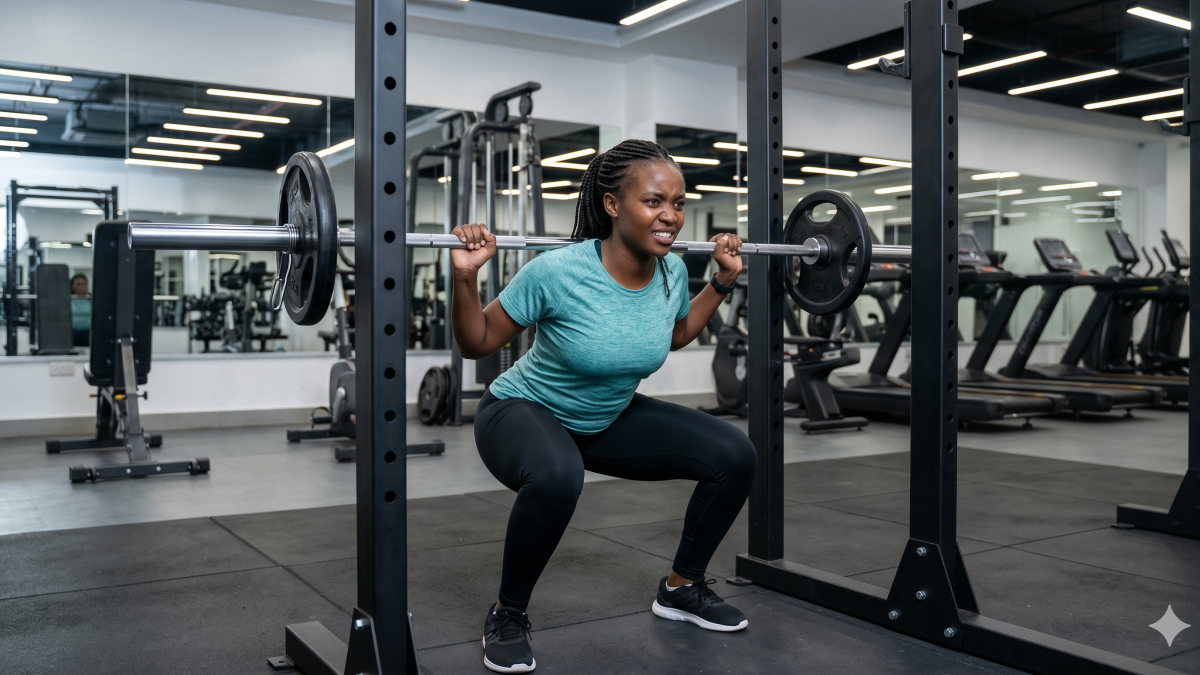
Study participants with the lowest risk met the US Department of Health and Human Services’ Physical Activity Guidelines for Americans of at least 150 minutes of moderate-intensity aerobic activity (or 75 minutes of vigorous activity) each week while also performing regular resistance training. This group also spent less than two hours per day watching television, the study’s measure of sedentary behaviour.
Strength training’s role in heart health
Unlike aerobic exercise, which primarily challenges your cardiovascular system, strength training places a greater demand on your muscular system. Resistance exercise — using your own body weight, bands or weights — builds and preserves muscle mass. The activity also supports blood sugar regulation and improves metabolic health. These physiological adaptations may play a role in counteracting cardiovascular risk factors, according to the authors of the study published June 17 in the Journal of the American College of Cardiology.
The researchers noted that strength training may influence specific pathways related to coronary artery disease. Engaging in a regular practice may improve blood flow, how the body processes fats, and the stability of plaque buildup in the arteries — possibly explaining why the strongest benefits were observed for heart attack risk.
The study, which followed more than 117,000 women for an average of 14.5 years, did not reveal the same relationship between strength training and stroke risk, suggesting different mechanisms cause a stroke that are less responsive to the benefits of resistance exercises.
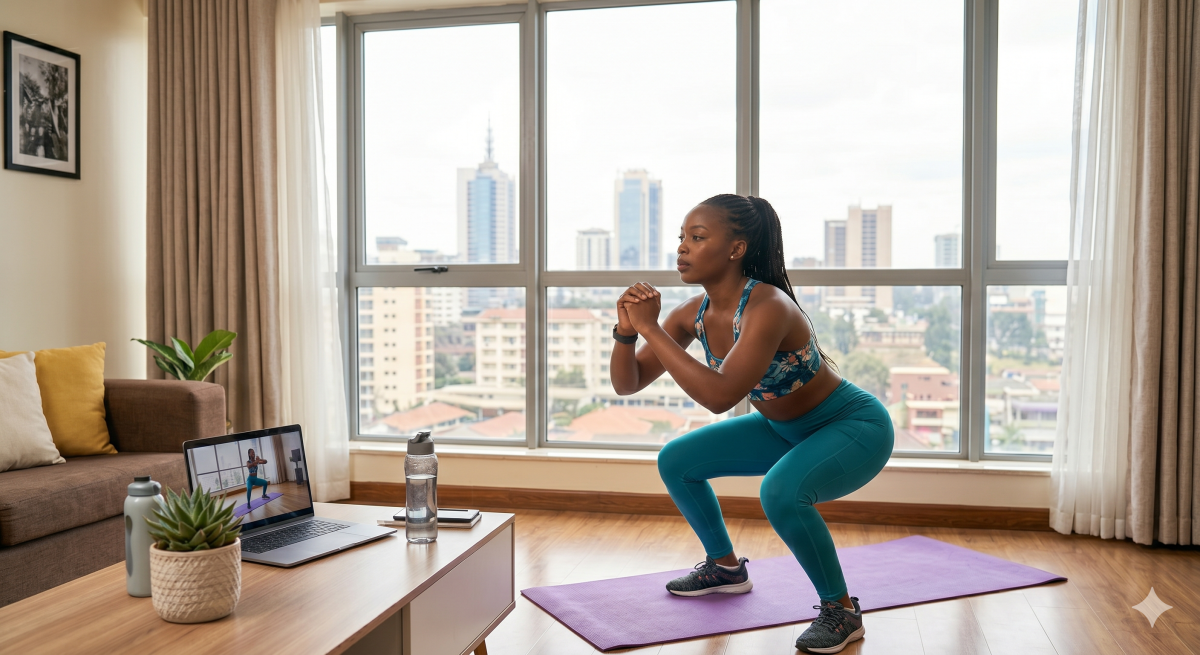
More research is needed to better understand the different factors involved in comprehensive cardiovascular disease prevention, but the current data is clear about one point: Strength training is an important component of heart health.
Integrating strength training into a heart-healthy lifestyle
Although HHS guidelines recommend strength training at least two days per week, the study found the greatest reductions in heart attack risk among women who consistently did two or more hours of weekly resistance training.
Training both the upper and lower body led to greater cardiovascular benefits than focusing on only one region, according to the researchers.
With that in mind, I created a practical 30-minute total body workout you can do four days per week to reach the two-hour threshold associated with lower rates of cardiovascular disease and heart attack.
The routine challenges both upper and lower body through all three planes of motion and major movement patterns: pushing, pulling, hinging, squatting and core stabilisation. To create resistance, you only need your own body weight and a single dumbbell in a weight appropriate for your current fitness level. I recommend starting between 3 and 10 pounds.
Single-leg Romanian deadlift
Stand with your weight shifted over one leg. Holding a dumbbell in the opposite hand of your stabilising leg, hinge at your hips until your back is parallel with the floor while extending the opposite leg behind you. Exhale and return to standing on both feet.
If balance is challenging, place your other hand on a wall for support. You can also modify by performing these moves without a dumbbell. This movement strengthens glutes and hamstrings while challenging balance and core stability.
Lateral lunge
From standing, step out into a lateral lunge, shifting your hips back and bending your knee to align it above your ankle while keeping the other leg straight. Push back to the starting position.
Modify by shortening the distance you step sideways.
The lateral lunge strengthens the body in the often neglected frontal plane while improving hip mobility and lower body strength.
Offset farmer’s carry
Hold a dumbbell in one hand and walk with tall posture, resisting the urge to lean toward the weight. Walk with even, stable strides for 30 to 60 seconds per side.
This exercise challenges core stability, grip strength and postural control while integrating the entire body.