Silent signs of anxiety often mistaken for laziness
By Katemarthason Okudo, July 17, 2026It is easy to assume that someone who keeps postponing tasks, struggles to get out of bed or avoids social gatherings is simply being lazy. However, health experts say that what appears to be a lack of motivation can sometimes be a hidden sign of anxiety, a mental health condition that affects millions of people worldwide.
Anxiety is more than occasional worry or stress. According to the World Health Organization (WHO), anxiety disorders are among the most common mental health conditions globally and can interfere with daily life, work, relationships, and overall wellbeing.
Yet many people continue to misunderstand the condition because its symptoms are not always obvious. Instead of panic attacks or visible distress, anxiety can quietly show itself through behaviours that are often mistaken for laziness.
Why procrastination is not always a sign of laziness
One of the most overlooked signs is constant procrastination. Rather than avoiding responsibilities because they do not care, a person living with anxiety may feel overwhelmed by the fear of making mistakes or failing. This mental pressure can make even simple tasks feel exhausting.
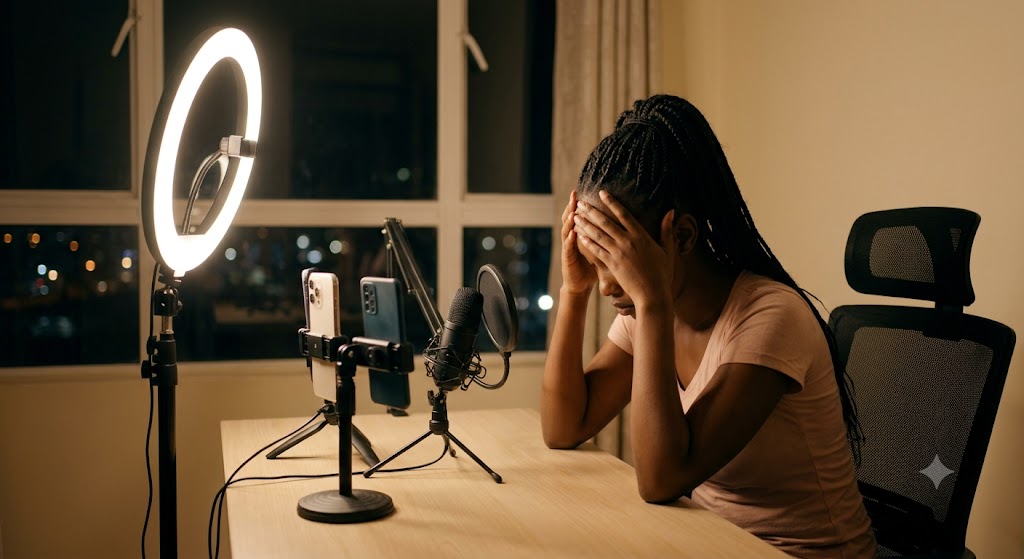
The National Institute of Mental Health (NIMH) explains that anxiety can affect concentration, decision-making and the ability to complete everyday activities, making routine responsibilities seem much harder than they really are.
Another silent sign is persistent fatigue. Anxiety keeps the mind in a constant state of alertness, even when there is no immediate danger. Ongoing stress response can leave a person feeling mentally and physically drained despite getting enough sleep. To others, this tiredness may look like a lack of effort, when in reality the body is using significant energy to cope with continuous worry.
Avoiding people does not always mean disinterest
Avoiding social events is another behaviour that is frequently misunderstood. Friends, family or colleagues may assume someone is antisocial or uninterested, yet anxiety can make ordinary conversations, crowded places or meeting new people feel intimidating. The Mental Health Foundation notes that social withdrawal is a common response among people experiencing anxiety, particularly when they fear judgement or embarrassment.
Difficulty making decisions is also common. Someone with anxiety may spend excessive time thinking through every possible outcome before making even a small choice. This overthinking can delay action and create the impression that they are indecisive or unmotivated. Health experts explain that anxiety often causes the brain to focus on worst-case scenarios, making simple decisions feel unusually stressful.

Early support can make a big difference
Sleep problems also play a major role. Racing thoughts at night can make it difficult to fall asleep or stay asleep. Poor sleep then affects energy, memory and concentration during the day, creating a cycle that is easily mistaken for laziness. Anxiety and sleep disturbances often occur together, with each making the other worse if left unmanaged.
Health experts emphasise that recognising these signs early can make a significant difference. Anxiety disorders are characterised by excessive fear and worry and related behavioural disturbances.
Mental health specialists encourage anyone experiencing persistent worry, unexplained fatigue, difficulty concentrating or changes in behaviour that interfere with daily life to seek professional support rather than dismissing the symptoms as laziness. The Kenya Ministry of Health also continues to encourage greater awareness of mental health and early access to care, noting that seeking help is an important step towards recovery and improved quality of life.
Understanding the hidden signs of anxiety can help replace judgement with compassion. What may seem like laziness on the surface is sometimes a silent struggle that deserves understanding, support and proper medical attention instead of criticism.