Reasons why some people sweat more than others during the same physical activity
By Katemarthason Okudo, August 7, 2026Sweating is something most people expect during a workout, a brisk walk, or even a hot afternoon outdoors. Yet it is common to notice that while one person is soaked in sweat after a short activity, another barely has a damp forehead despite doing the same thing. Although this difference can seem unusual, health experts say it is often a normal part of how the body regulates temperature.
The amount a person sweats is influenced by several factors, including genetics, fitness level, body size, hormones and the environment. Rather than indicating who is fitter or healthier, sweating is simply one of the body’s natural cooling systems at work.
Sweating is the body’s cooling system
When body temperature begins to rise during physical activity or exposure to heat, the brain signals sweat glands to release moisture onto the skin. As that sweat evaporates, it carries away heat, helping the body maintain a safe internal temperature.
This process allows people to continue exercising or working without overheating. However, the efficiency of this cooling system differs from one individual to another, meaning two people carrying out the same task may produce very different amounts of sweat.
According to the Mayo Clinic, sweating is essential for preventing the body from becoming dangerously hot, but the amount produced varies naturally between individuals depending on several personal and environmental factors.
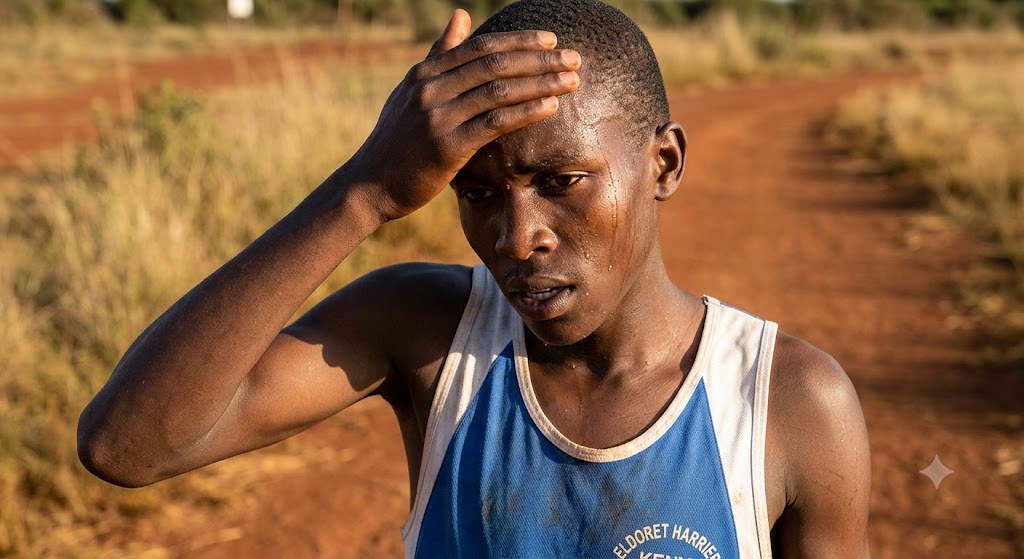
Genes play a bigger role than many realise
One of the biggest reasons for different sweating patterns is genetics. Some people are simply born with more active sweat glands than others. The average person has between two and four million sweat glands, but not all of them are equally active.
This means someone may begin sweating almost immediately after starting a workout, while another person only starts perspiring much later. Neither response is necessarily better than the other.
Family history can also influence how easily a person sweats, making it common for relatives to share similar sweating patterns.
Fitness level and body size make a difference
Interestingly, people who exercise regularly often begin sweating earlier than those who are less active. This is because the body becomes more efficient at cooling itself after repeated physical activity.
Although it may appear that a fit person sweats excessively, it usually means their body has adapted to release heat more quickly before the core temperature rises too much.
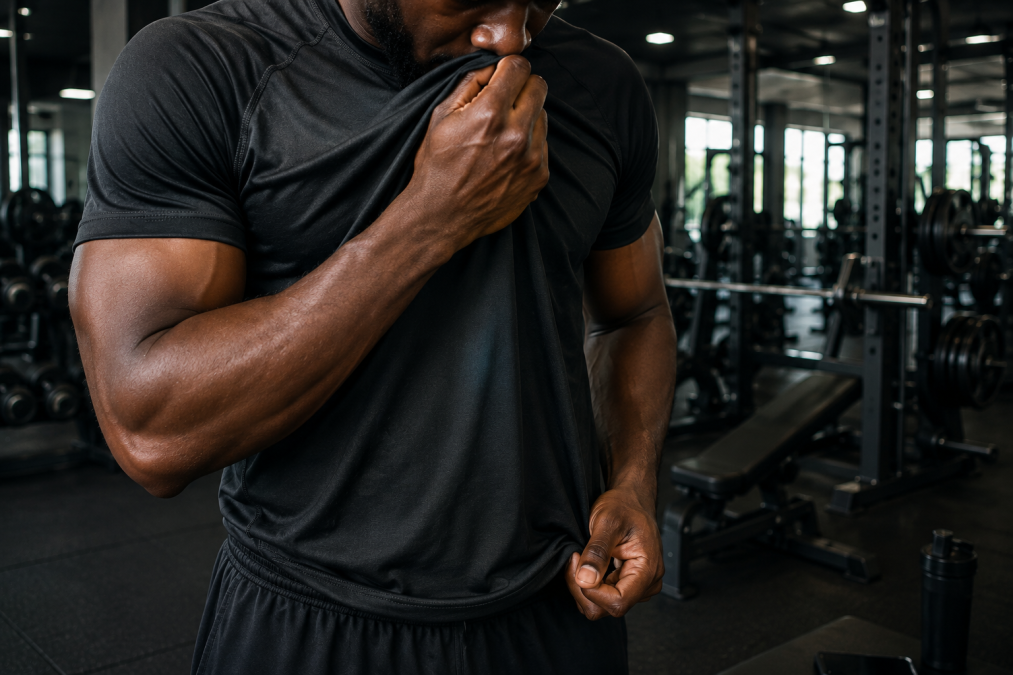
Body size also matters. Individuals with larger bodies generally produce more heat during movement because they require more energy to perform the same activity. As a result, they may sweat more to cool themselves down.
According to the American Academy of Dermatology, sweating levels are influenced by body composition, physical conditioning and the number of active sweat glands.
Weather, clothing and hormones also affect sweating
The environment can dramatically change how much someone sweats. High temperatures, humidity and poor ventilation make it harder for sweat to evaporate, prompting the body to produce even more.
Clothing choices can also trap heat, especially fabrics that do not allow air to circulate freely. Wearing breathable materials often helps the body cool itself more effectively.
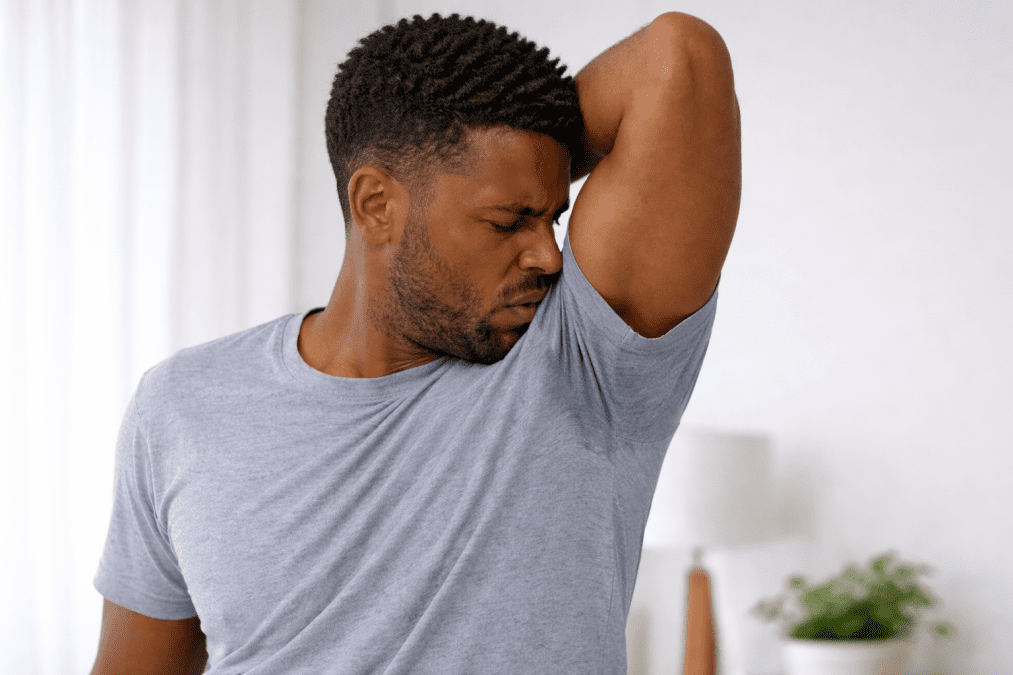
Hormonal changes are another important factor. Puberty, pregnancy, menopause and certain medical conditions can all alter the amount a person sweats. Emotional stress, anxiety and excitement may also trigger sweating, particularly on the palms, feet and underarms.
When excessive sweating may need medical attention
While differences in sweating are usually harmless, there are times when unusually heavy sweating should not be ignored. If sweating occurs without physical activity or hot weather, happens mainly at night, or suddenly becomes much worse than normal, it may signal an underlying health condition.
Likewise, if excessive sweating interferes with daily life or is accompanied by symptoms such as dizziness, chest pain or unexplained weight loss, it is important to seek medical advice.
Changes in the body’s normal functions, including unexplained sweating accompanied by other concerning symptoms, should be assessed by a healthcare professional to rule out underlying illness.