Advertisement
Ngwai and other names: Kenyan slang for bhang, its effects and how to quit
31st May, 2026 10:50 PM
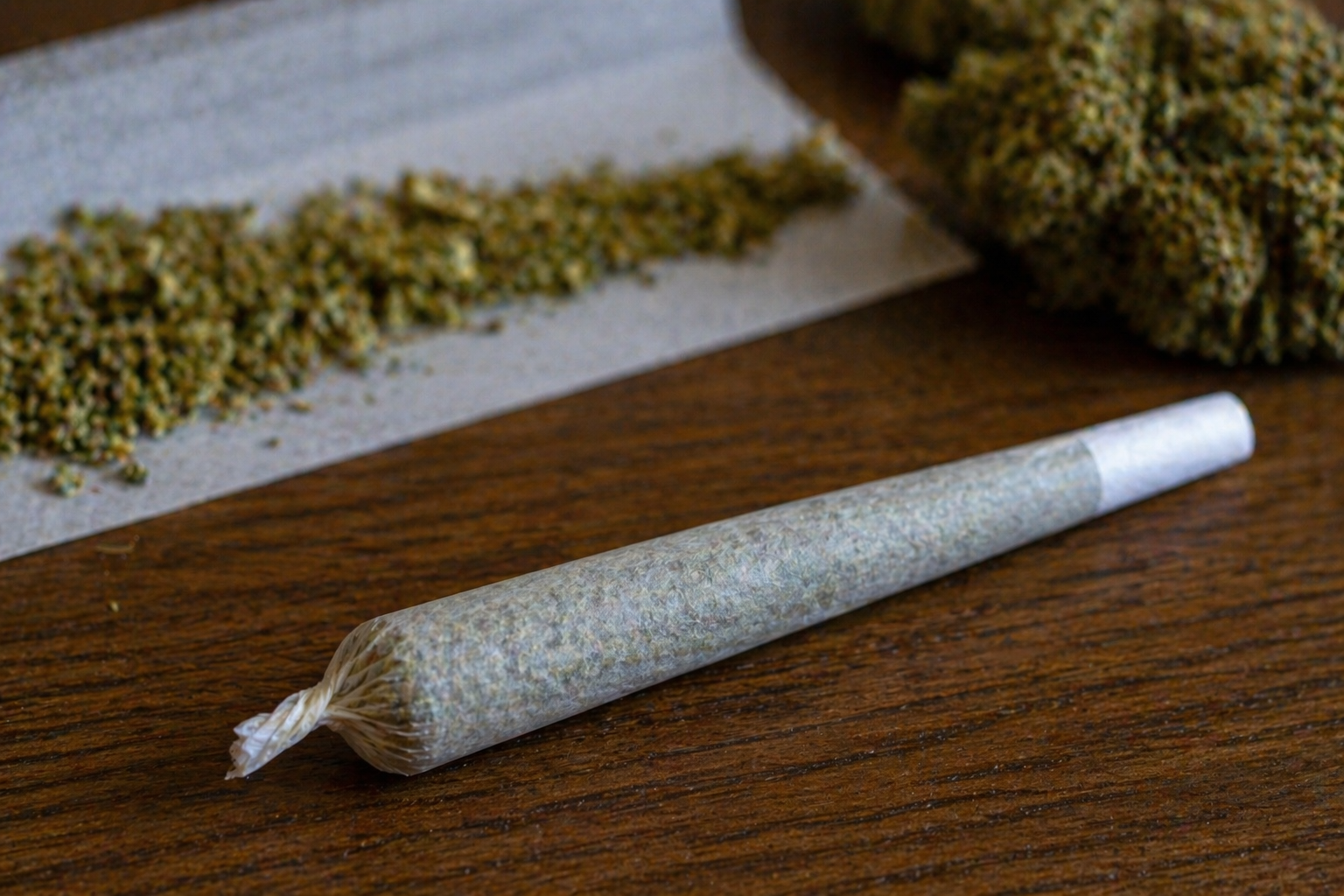
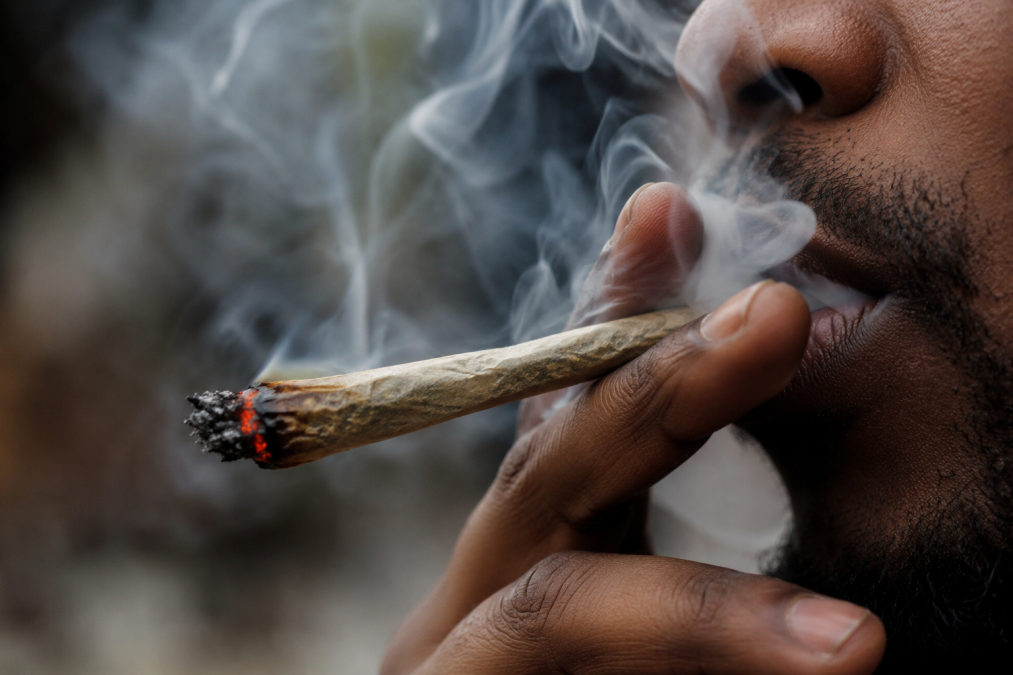
Bhang smoking in Kenya is illegal under the current law, and authorities continue to classify it as a controlled narcotic.
Despite this, it remains present in some urban youth spaces, often wrapped in coded language and slang.
Public health officials have repeatedly warned about its impact on mental health, productivity and long-term wellbeing, especially among young people.
In everyday street conversations, however, bhang is rarely called by its official name.
Instead, it has developed a wide range of Sheng and slang terms that change quickly, reflect local creativity, and sometimes help users disguise conversations in public.
Funny slang names
Kenya’s urban slang culture, commonly known as Sheng, is highly dynamic and constantly evolving.
Within this space, bhang has accumulated dozens of nicknames used across Nairobi and other towns.
Some of the most commonly recorded and widely recognised slang names include Ngwai, bangi, kush, kithuke, vela, ndom, shada, mshasha, and aroma.
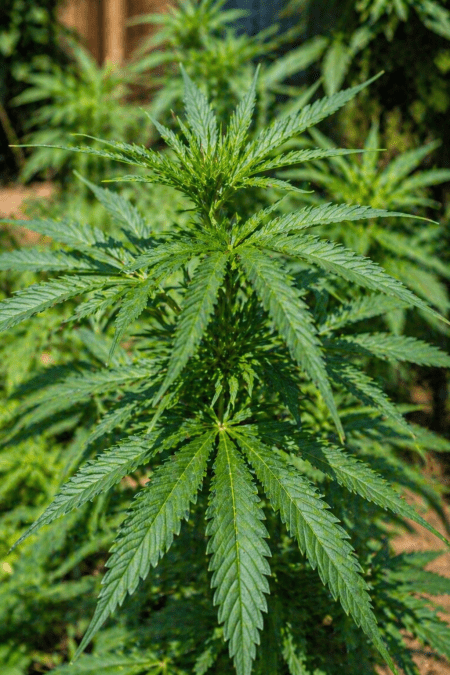
In some older or less common usage, terms such as kendi, tire, and kushkush also appear in informal speech.
In Sheng culture, these names are not fixed. A word popular in one year may disappear or change meaning entirely in the next.
Linguists describe Sheng as a “living language”, shaped by music, matatu culture, social media and street interaction rather than formal rules.
Interestingly, many slang terms for drugs and money in Kenya tend to have multiple variations.
This reflects both secrecy and creativity in urban communication.
For bhang in particular, the number of names continues to grow as new generations invent their own versions.
Why is slang used
Slang around bhang is often used for two main reasons. The first is discretion.
Users may use coded words to avoid drawing attention in public spaces or in conversation.
The second is cultural identity, as Sheng is widely seen as a marker of belonging among urban youth.
Linguists note that Sheng itself blends Swahili, English and various Kenyan languages, making it flexible and highly adaptable.
As a result, terms for bhang differ not just by city, but sometimes even by neighbourhood.
Effects of bhang
Health experts continue to warn that bhang can have both short-term and long-term effects on the body and mind.
In the short term, it may alter perception, affect coordination and reduce focus. This can increase the risk of accidents or poor decision-making.
Long-term use has been linked to memory problems, reduced concentration, anxiety and in some cases dependence.
Mental health professionals have also raised concerns about its impact on motivation, particularly among young people in school or early employment.
There is also growing awareness that early and frequent use can interfere with brain development, making it harder for users to maintain academic or professional performance over time.
How to quit bhang
Quitting bhang is possible, but it often requires support and structured change.
Experts recommend starting with self-awareness, recognising how use affects daily life, relationships and responsibilities.
Support systems such as counselling, peer groups or trusted family members can make the process easier.
Many people also benefit from replacing old routines with new habits, such as exercise, sports, or creative activities, which help reduce triggers associated with use.
Health professionals also stress that relapse can be part of recovery.
Progress is often gradual, and sustained change usually comes from consistent effort rather than sudden withdrawal.
Public health view
Public health authorities in Kenya continue to discourage the use of bhang, particularly among young people.
Campaigns focus on education, prevention and early intervention rather than normalising drug use.
While slang names like Ngwai and others remain part of urban culture, experts caution that normalising such language can sometimes reduce awareness of the risks involved.
As a result, schools and community programmes increasingly focus on open discussion about substance use and its consequences.
Ultimately, bhang remains a sensitive legal and health issue in Kenya.
Understanding its cultural slang, recognising its effects and supporting quitting efforts are key steps in reducing harm and promoting healthier choices among young people.