Inside the wedding vow that becomes real at 2 am in a hospital ward
By Cynthia Lodite, August 5, 2026Weddings are filled with beautiful words. Couples stand before family and friends, exchange rings, and promise to love each other “for better, for worse, in sickness and in health.” In that moment, the vow sounds poetic, hopeful, and almost ceremonial.
Years later, or even months later, its true meaning is often discovered far from the flowers, music, and photographs. It is discovered at 2 am in a hospital ward.
The corridor is quiet except for the sound of monitors and footsteps from the nurses’ station. One partner is lying in a hospital bed, exhausted from pain, surgery, or treatment.
The commitment to stick together in sickness and in health often sounds romantic during a colourful ceremony surrounded by cheering family and friends.
However, the true test of that pledge usually happens far away from photo sessions and wedding receptions.
Testing vows in quiet moments
The real weight of a marriage commitment reveals itself in silent, exhausting moments. A sudden admission to a hospital ward at 2 am quickly strips away the glamour of the wedding day. Sitting on a hard plastic chair beside a hospital bed, monitoring vital signs, and coordinating with medical staff requires steady patience.
Caregiving during an illness demands physical and emotional endurance. Spouses find themselves managing medication schedules, tracking medical bills in Kenyan shillings, and staying awake through long nights.
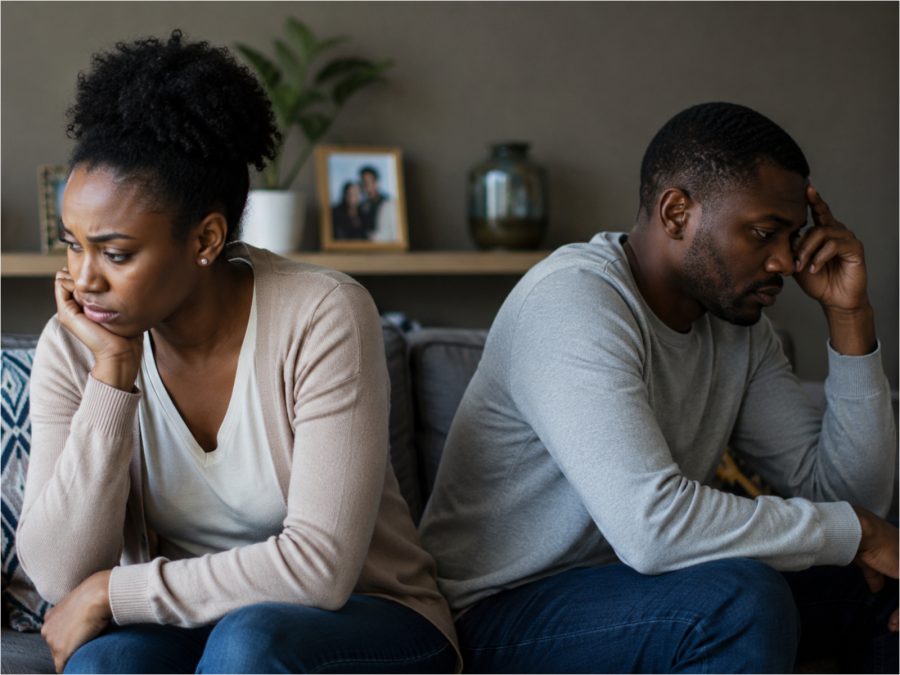
In these early morning hours, affection converts into practical action. Partners learn to communicate clearly under stress, make urgent decisions together, and offer quiet support when energy runs low.
Understanding this reality helps partners prepare for the unexpected challenges that come with shared life. Marriage thrives not on grand public statements, but on consistent reliability when conditions turn difficult.
Building resilience beyond the ceremony
Navigating health crises together builds a foundation of trust that celebration alone cannot create. When a partner stays present during vulnerability, it deepens the relationship and reinforces mutual dependence.
Public discussions around relationships frequently highlight this shift in perspective.
Couples who navigate these nighttime hospital visits often emerge with a stronger union. They learn that unconditional support is an active daily choice rather than a passive feeling.
Preparing for marriage means recognising that trial periods will occur, and the strength of the bond depends on showing up consistently when it matters most.