Induced menopause: 4 methods women use to stop monthly periods early
By Katemarthason Okudo, August 11, 2026For many women, monthly periods come with pain, heavy bleeding, mood changes and discomfort that can interfere with normal activities. While menstruation is a normal part of the reproductive cycle, some women may choose to reduce or stop their periods using hormonal contraceptives.
Hormonal contraception does more than prevent pregnancy. Some methods can change the menstrual cycle and, in some cases, cause periods to become very light or stop altogether.
However, not having a period while using contraception does not necessarily mean a woman has entered menopause. Instead, the hormones can prevent ovulation, thin the lining of the uterus or alter the hormonal signals that control menstruation.
According to the Obstetricians and Gynecologists, hormonal methods can be used for menstrual suppression, although completely stopping periods may not happen for everyone.
Combined contraceptive pills
Combined contraceptive pills contain oestrogen and progestogen. They are commonly used to prevent pregnancy, but they can also be taken continuously or on an extended schedule to reduce or skip monthly bleeding.
When the pills are taken continuously, there may be no hormone-free interval that usually triggers withdrawal bleeding. This allows some women to have fewer periods or avoid them altogether.

The NHS notes that the combined pill can make periods lighter and less painful. It can also be used to help manage heavy periods. However, spotting or breakthrough bleeding can occur, particularly when a woman first begins using the method. The response also differs from one person to another.
Hormonal contraceptive injection
The contraceptive injection contains the hormone progestogen and is given at regular intervals to prevent pregnancy. It works partly by stopping ovulation and thinning the lining of the uterus.
For some women, periods become lighter and eventually stop while using the injection. Others may experience irregular bleeding, particularly during the early stages of use.
The injection can be used as one of the hormonal options for menstrual suppression. Its effect on periods, however, is not identical for every woman.
Hormonal IUS
The hormonal intrauterine system, commonly known as the hormonal coil, is placed inside the uterus and releases progestogen. Unlike the copper IUD, which does not contain hormones and may make periods heavier, the hormonal IUS can reduce menstrual bleeding by acting on the lining of the uterus.
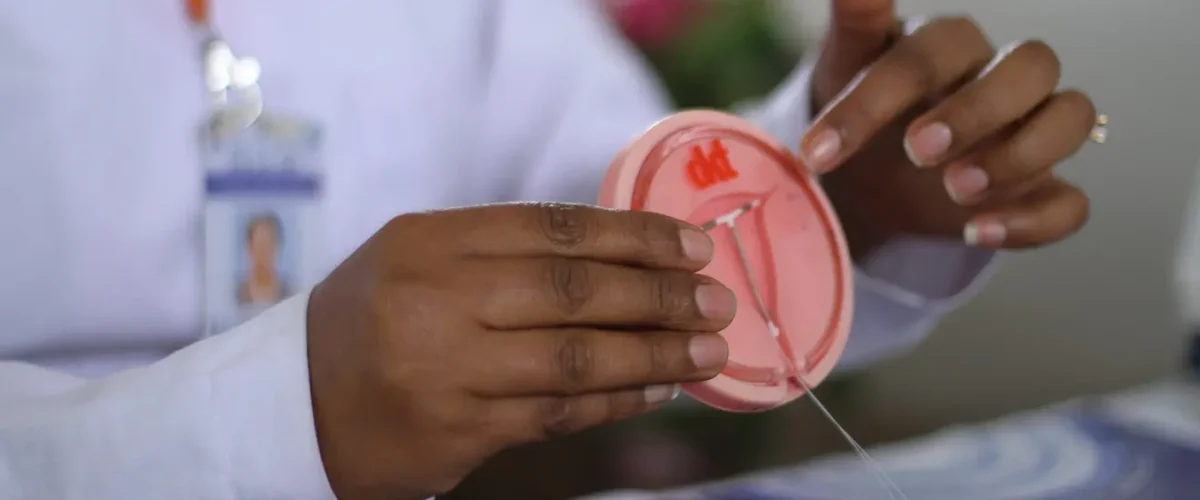
According to the NHS, the hormonal IUS can make periods shorter, lighter and less painful. Some women eventually stop having periods while using it.
The first few months can be different, with irregular bleeding or spotting being common before the menstrual pattern settles.
Contraceptive implant
The contraceptive implant is a small flexible device placed under the skin of the upper arm. It releases progestogen and provides long-lasting contraception.
The implant can change a woman’s usual bleeding pattern. Some women may have lighter periods or stop bleeding, while others may experience irregular or unpredictable bleeding.
The implant can be used for menstrual suppression, although complete absence of periods is not guaranteed. Breakthrough bleeding and spotting are also common with this method.

Not the same as menopause
Although these contraceptives can stop monthly bleeding, this does not mean they have permanently stopped the ovaries from working.
Natural menopause occurs when ovarian function declines permanently, while hormonal contraception changes the menstrual cycle through medication. A woman using contraception may therefore have no periods but still not be menopausal.
Hormonal contraceptives can therefore be useful for women who want to manage heavy or painful periods or reduce the frequency of menstruation. But stopping periods should not be treated as a one-size-fits-all decision.