Advertisement
How to exercise safely in hot weather
23rd June, 2026 12:14 AM
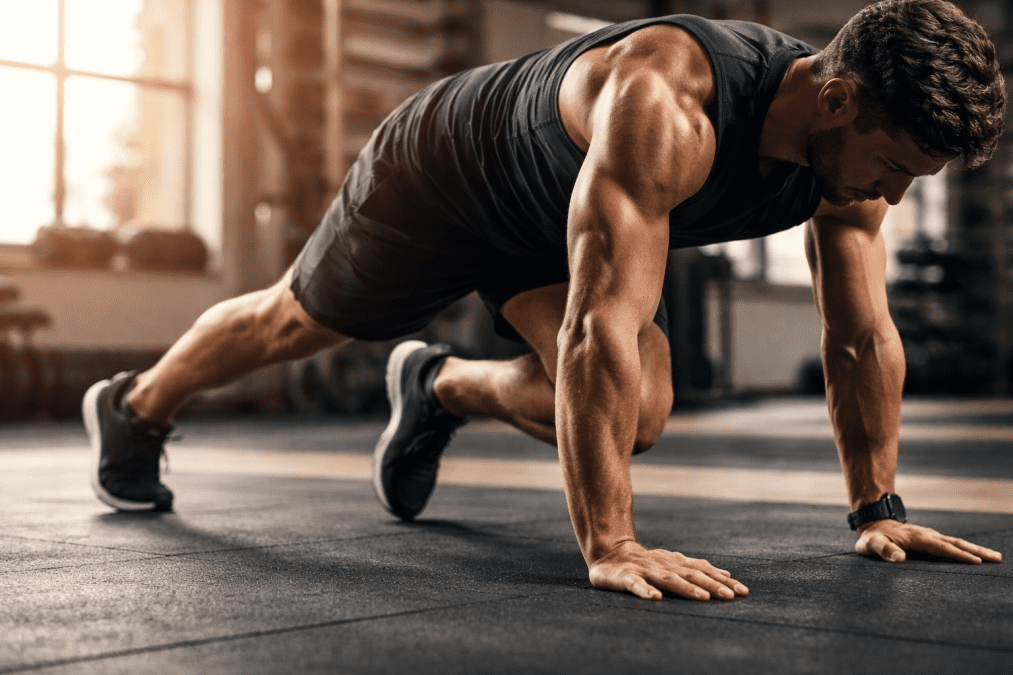
Staying active in hot weather can be challenging.
It’s one reason why players at the World Cup 2026 in the US, Canada and Mexico are being given additional, but controversial, hydration breaks 22 minutes into each half. And with record temperatures on their way this summer thanks to a powerful El Niño weather pattern, it’s likely to be a tough time to exercise.
Pushing through a run or football match in extreme heat can not only be uncomfortable but also dangerous, putting us at risk of heatstroke.
“Walking, cycling, exercising outdoors and even daily routines like commuting on foot become more physically demanding and less comfortable when temperatures are high,” says Christian García-Witulski, an environmental lifestyle epidemiologist at the Pontifical Catholic University of Argentina.
But if we reduce our physical activity each time it feels too hot to exercise outside, it can contribute to long-term health risks.
García-Witulski and colleagues have recently warned in new research that rising temperatures due to climate change could lead to people moving less in the heat and consequently result in an estimated 470,000 to 700,000 premature deaths per year by 2050.
So how do you safeguard your long-term health by staying active when it gets really hot? Here are some of the strategies that researchers say might help you stay cool while staying active:
Exercise earlier
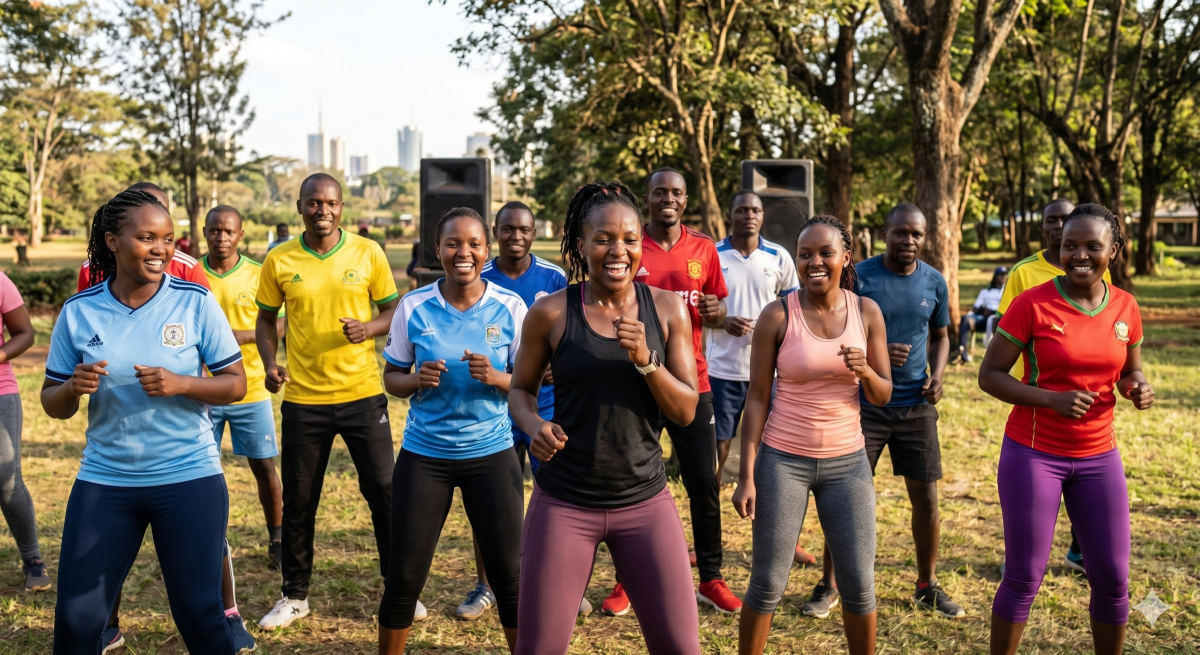
The single most impactful change most people can make is to exercise when it is cooler, such as in the morning or evening, if this is possible.
You could also pick times when the area where you like to exercise is in the shade, as opposed to the full glare of the Sun. “That difference can be as much as 12-15 °C (22-27F) higher than the shaded air temperature,” says Ollie Jay, director of the Heat and Health Research Centre at the University of Sydney.
Check the humidity
Humidity matters too. Your body’s primary way of losing heat is through sweat evaporating from the skin, which helps to lower your body temperature. But in humid conditions, that process is affected as the evaporation that cools your body is reduced.
“There’s more moisture in the air, and therefore the [evaporative] driving force is blunted,” says Jay.
Wind speed also plays a role, which is why running in enclosed spaces with little airflow makes heat stress a bigger risk.
Shorten your session or reduce the intensity
On days when you can’t avoid the heat, you might consider exercising for shorter periods of time as well as adding in more breaks.
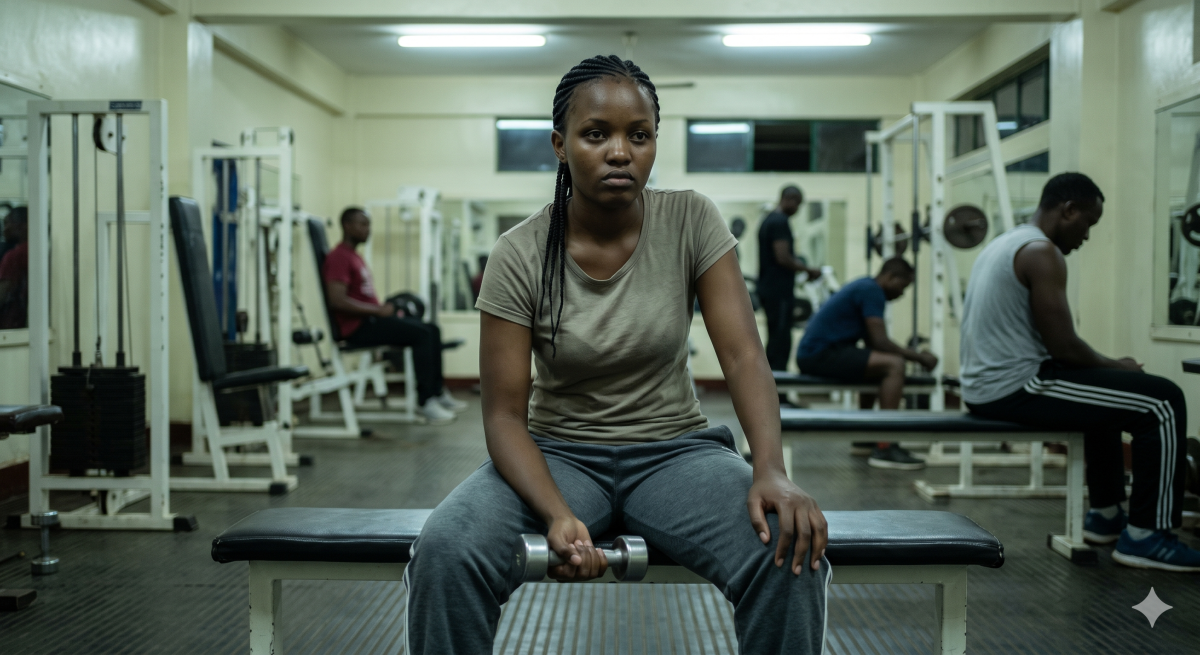
“Sometimes a shorter walk in the morning, or some light indoor movement, is safer and more realistic than trying to stick rigidly to the same routine,” says García-Witulski. “Hotter conditions create more thermal strain. People tire more easily, sweat more, may feel dizzy or uncomfortable, often sleep worse and daily movement simply becomes less appealing and, in some cases, less safe.”
Cool down smarter
When it comes to cooling methods, it might be tempting to reach for an ice pack. But Stearns says that while ice packs feel cold to the skin, they actually have a surprisingly low cooling rate because they tend to only cover a small part of the skin.
Immersion cooling can be a better way to cool down. This is where you submerge parts of the body (such as the hands and forearms) in cold water. Alternatively, you can pour water over yourself.
“If you take water and apply it to the skin surface, and then that water evaporates, that’s actually doing the job of sweating without having to sweat,” says Jay. That then means your body can direct more blood to your muscles to deliver oxygen.
Pre-cool yourself
Pre-cooling before you head out is also helpful. Research shows that reducing body temperature before exercise gives you a greater heat buffer before conditions become dangerous. “Slightly lowering your body temperature before you go into the heat will give you a greater amount of time before it becomes dangerous,” Stearns says.
This can also be done by consuming ice slurry (icy water), which has been found to cool the body and improve exercise performance.
Let your body adapt
Gradually building up the amount of exercise you do in hot weather will allow your body to get used to it, a process called heat acclimatisation.
Generally, says Stearns, after seven to 14 days of regularly exercising in the heat, your core temperature at rest drops, your sweat rate rises, and your blood plasma volume increases. “You have this huge demand for blood flow. And blood is ultimately what’s going to be able to supply and support all of these physiological functions in the heat,” she says.
This adaptation helps your body respond better, she adds, helping to improve performance as well as decrease the risk of heat stress.
But this response is “transient”, says Jay. “If you don’t use it, you’ll lose it… If you don’t expose yourself to the heat, then those adaptations that you’ve primed will disappear.”
Know when to stop
While fatalities from exercising in the heat are relatively rare, heat exhaustion is becoming more common. And if you exercise a lot, it doesn’t necessarily provide protection against heat exhaustion.
Elite athletes can be at a higher risk of heatstroke than recreational exercisers because they are already used to pushing themselves “past their biological limits”, says Stearns. This could be dangerous as the intensity of the exercise is the primary driver of rising internal body temperature.
She therefore advises that “listening to your body and deliberately backing off the pace is your primary line of defence”.