How running in cold weather affects your lungs
By Dan Kauna, July 18, 2026July brings the peak of the cold season across Kenya’s highlands, from the chilly mornings of Nairobi to the frosty tracks of Eldoret and Limuru.
If you are an outdoor runner, you might have noticed a strange tightness in your chest, a heavier struggle to catch your breath, or an unexpected cough during your morning workouts. This is not just fitness fatigue; it is a direct biological reaction to the winter-like air.
What happens inside your lungs
When you walk or rest, you breathe mostly through your nose, which warms and moistens the air before it reaches your lungs.
However, when you pick up the pace during a run, you naturally switch to mouth-breathing to take in more oxygen. This brings raw, dry, and cold air directly into your throat and airway tubes.
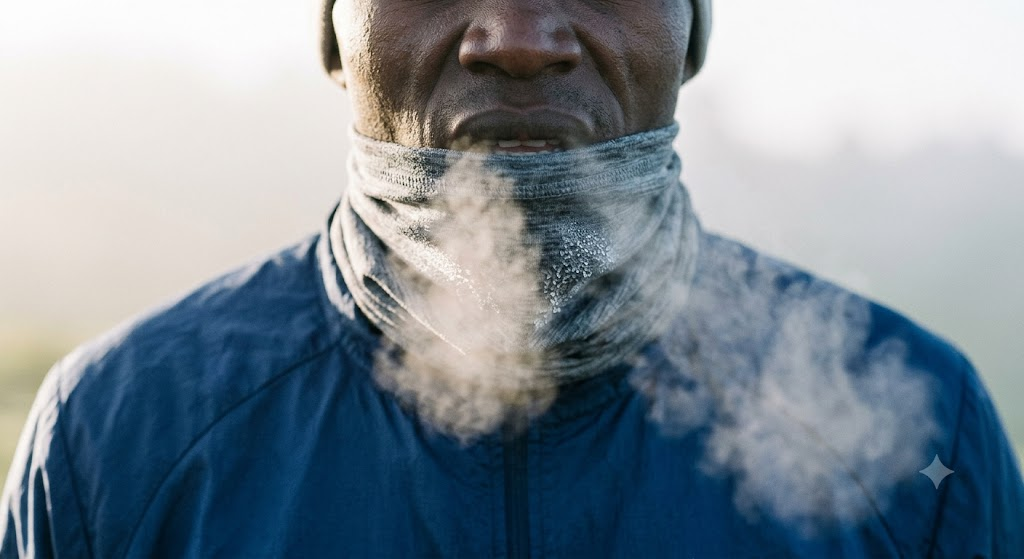
Medical researchers have studied this exact reaction for decades. According to a 2026 peer-reviewed clinical review published in StatPearls, this temporary narrowing of the airways, known as exercise-induced bronchoconstriction, occurs because a “rapid increase in airflow during exercise requires the airways to warm and humidify large volumes of incoming air”.
When your lungs work overtime to warm this dry air, the cells lining your respiratory tract lose moisture quickly. This fluid loss triggers a physical response, causing the small muscles around your airways to squeeze tightly, making it harder for air to flow smoothly.
Smart ways to protect your breath
You do not have to stop your fitness routine just because the weather has changed. Making simple adjustments before and during your workout can keep your lungs comfortable.
First, spend at least ten minutes doing a slow, progressive warm-up indoors or in a sheltered area. Gentle movements or a light jog before a fast run allow your breathing passages to adapt to the workload gradually, preventing the sudden shock that causes chest tightness.

Second, wear a light scarf or a sports buff over your mouth and nose. This traps the warmth and moisture from your catches of exhaled breath, heating up the cold air before you inhale it. Try to focus on breathing through your nose for as long as possible during the initial kilometres.
While a bit of heavy breathing is normal during a hard workout, serious signs should never be ignored. If you experience severe wheezing, chest pain, or a persistent cough that lasts for hours after your session, it is wise to see a doctor. These symptoms could point to an underlying respiratory condition that requires proper medical care.