How resting your wrists on the desk while typing damages your hands
By Dan Kauna, August 2, 2026If you spend most of your day typing on a laptop or desktop computer, pause for a second and look at how your hands are placed right now. Are your wrists resting flat against the sharp edge of your desk?
Across offices, cybercafés, and university study halls, thousands of people do this every day without thinking twice. However, pressing your arms against hard surfaces while working puts direct pressure on your forearm tendons and the median nerve, which controls feeling in your thumb and main fingers.
Over time, this contact squeezes the nerve inside your wrist, causing numbness, burning sensations, or uncomfortable tingling.
Why hard table edges strain your wrists
When your wrists rest on a table edge, your hands bend backwards at an awkward angle. This posture forces your tendons to pull around a tight bend while jamming your median nerve directly against the wood or plastic.
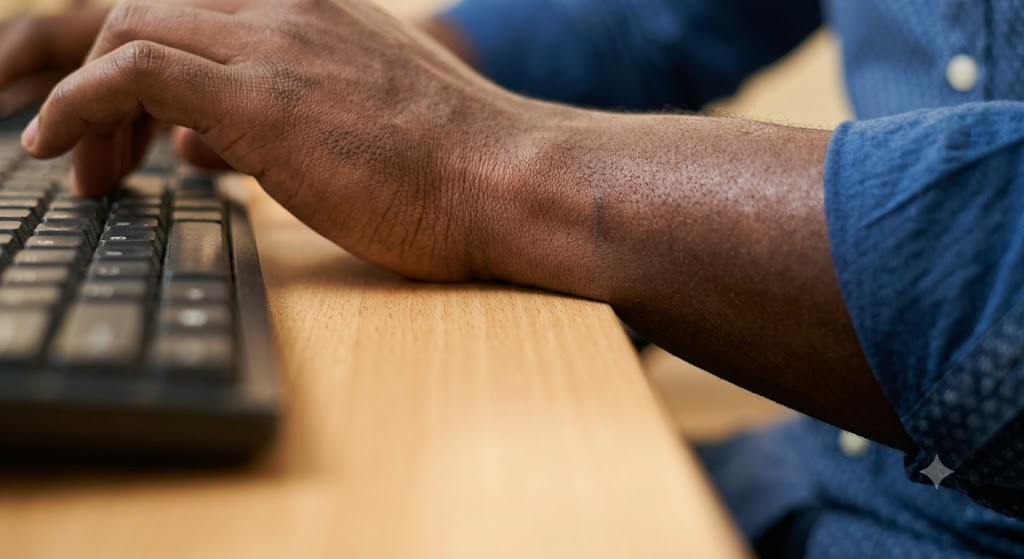
Research shows how quickly this repetitive pressure harms your hands. A peer-reviewed study published in Clinical Biomechanics confirmed that “a typing task causes changes in the median nerve, and changes are influenced by level of ulnar deviation.”
When the nerve swells, fluid cannot move normally, leading to tissue swelling and early carpal tunnel symptoms. Left unchecked, this strain can weaken your grip strength, making simple daily tasks like opening a bottle or holding a pen unexpectedly painful.
A simple daily shift to protect your hands
Protecting your hands does not mean buying expensive ergonomic equipment or rearranging your workspace. The most effective fix is a simple habit: keep your hands floating level with your keyboard as you type.
Picture playing a piano, where your wrists stay elevated and straight, letting your fingers move freely without resting on the board. If keeping your hands up feels tiring during long work hours, place a soft support beneath your palms rather than directly under the wrist joint.
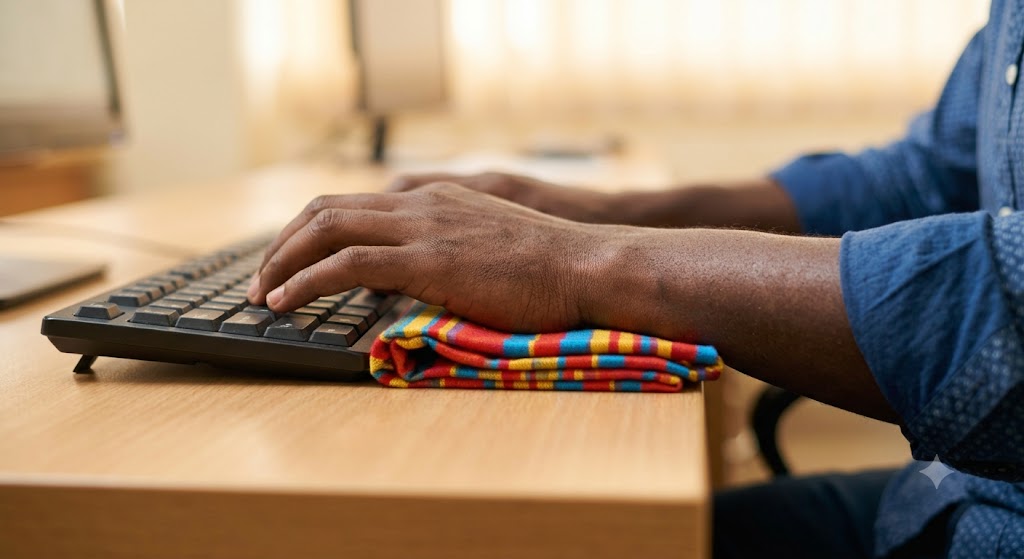
A folded cotton cloth works well to soften the surface. Adjusting your chair so your elbows sit at a comfortable 90-degree angle also keeps your upper body relaxed.
Making this small change keeps your median nerve safe, reduces forearm tension, and lets you work comfortably every day.