Advertisement
How cancer treatment works: Chemo, radiotherapy and immunotherapy
11th July, 2026 07:58 AM
Data from The World Health Organization released on Wednesday July 8, 2026, reveals that cancer now claims more than 26,000 lives every single day, with the disease expected to touch roughly 92 per cent of people globally at least once in their lifetime.
For millions of people supporting a relative or friend through treatment, understanding the options brings clarity and comfort during a difficult journey.
Cancer treatments generally fall into three main categories: chemotherapy, radiotherapy, and immunotherapy. Each attacks the disease differently, using distinct medical strategies to eliminate cancer cells from the body.
What happens during chemotherapy and radiotherapy
Chemotherapy works by targeting cells that divide quickly, which is exactly what cancer cells do.
The catch is that some healthy cells also divide fast, including hair follicles and the lining of the gut. That is why hair loss and stomach upset are such common side effects.
The drugs cannot always tell the difference between a cancer cell and a fast-growing healthy one, so they attack both.
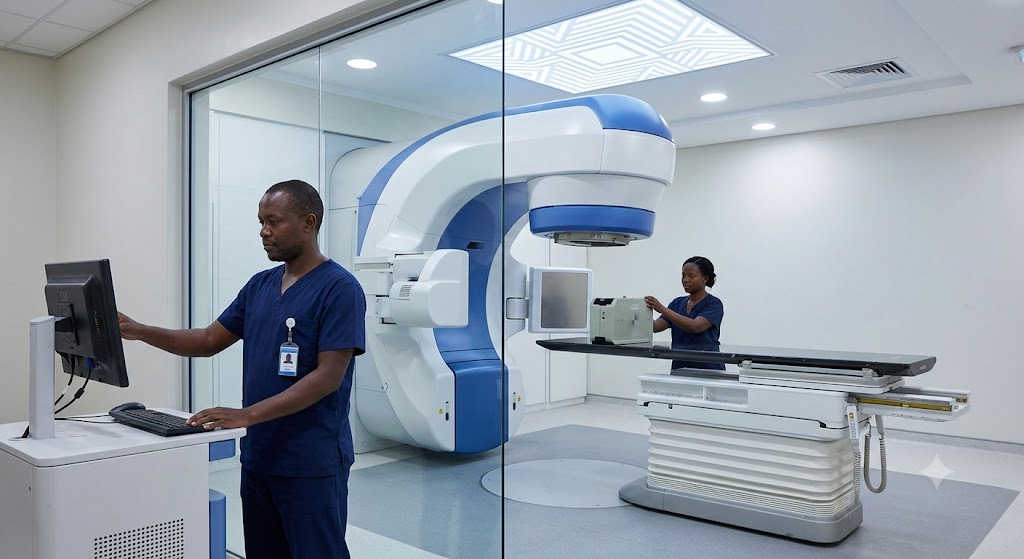
Radiotherapy takes a different approach. It uses focused beams of radiation to damage the DNA inside tumour cells directly, causing breaks that stop the cells from multiplying or surviving.
Because the radiation can be aimed precisely, doctors try to spare as much surrounding healthy tissue as possible, though some exposure nearby is often unavoidable.
Where immunotherapy fits in
Immunotherapy is the newer development that has changed cancer care significantly in recent years. Rather than attacking tumour cells directly, it works with the body’s own defences.
Cancer cells are skilled at hiding from the immune system, essentially switching off the alarms that would normally alert immune cells to a threat. Immunotherapy drugs, known as checkpoint inhibitors, remove that disguise.
A 2025 review in Frontiers in Immunology explains this, noting that “immunotherapy works by boosting a patient’s own immune system’s ability to recognise and destroy cancer cells.”
The same review points out that combining radiotherapy with immunotherapy can turn a tumour that the immune system was ignoring into one it actively attacks, which is part of why oncologists increasingly use these treatments together rather than alone.
Combined chemotherapy and radiotherapy weaken the tumour, while immunotherapy trains the immune system to finish the job.