Advertisement
How alcohol actually affects your gut and disrupts diet
13th July, 2026 01:12 PM
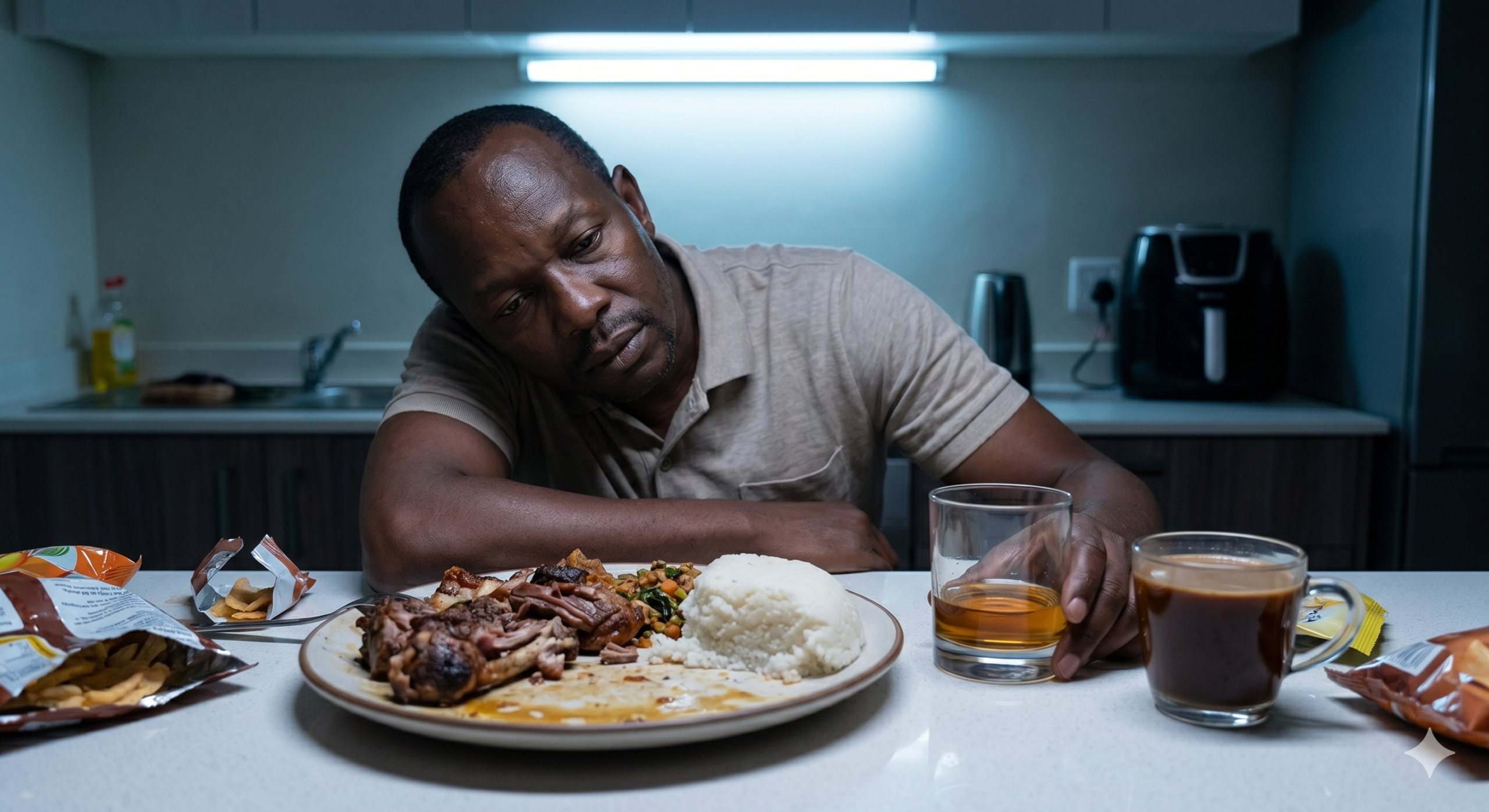
When people think about alcohol and diet, weight gain is usually the first concern. However, nutrition experts say the bigger issue is what alcohol does to the body’s ability to get the nutrients it needs from food.
Although alcohol contains about seven calories per gram, making it one of the most calorie-dense drinks, it provides virtually no essential nutrients. According to the World Health Organization (WHO), regular alcohol consumption can interfere with digestion, nutrient absorption and blood sugar regulation, making it harder for the body to benefit from even a healthy diet.
This means someone may eat balanced meals rich in vegetables, whole grains and lean proteins, yet still miss out on important vitamins and minerals because alcohol disrupts how the digestive system works.
It can stop your body from absorbing important nutrients
One of the biggest ways alcohol affects your diet is by reducing the body’s ability to absorb nutrients from food. The small intestine, where most vitamins and minerals are absorbed, becomes less efficient when exposed to frequent or heavy drinking.
Research shows alcohol can reduce the absorption of thiamine (vitamin B1), folate, vitamin B12 and zinc. These nutrients are essential for producing energy, supporting brain function, maintaining healthy blood cells and strengthening the immune system.

The National Institute on Alcohol Abuse and Alcoholism (NIAAA) notes that alcohol-related damage to the digestive tract can contribute to poor nutritional status, even when food intake appears adequate.
Drinking can replace nutritious meals
Alcohol also affects diet by changing eating habits. During social occasions or nights out, drinks often replace balanced meals, leaving the body with calories but very few nutrients.
Unlike foods that supply protein, fibre, healthy fats and vitamins, alcoholic drinks contribute energy without providing the nutrients needed to support normal body functions. Over time, this pattern increases the risk of vitamin and mineral deficiencies.
The NHS recommends eating before and while drinking, as alcohol should never be relied upon as a source of energy in place of nutritious food.
It damages the gut, making nutrition even harder
Heavy or long-term drinking can also irritate and damage the gut lining, known as the gut mucosa. This lining is responsible for absorbing nutrients from the foods people eat every day.
When the gut becomes inflamed, its ability to absorb nutrients declines, meaning even healthy meals may not deliver all the nourishment the body requires. A healthy digestive system is essential for proper nutrient absorption and overall wellbeing.

Blood sugar changes can lead to unhealthy food choices
Alcohol can also interfere with blood sugar regulation. After drinking, blood glucose levels may fall, leading to reactive hypoglycaemia. This often causes strong cravings for sugary or high-fat foods, especially late at night.
These cravings explain why many people reach for fast food or sweet snacks after drinking. While they may satisfy hunger temporarily, they often add extra calories without replacing the nutrients that alcohol has already disrupted.
Choosing balanced meals, limiting alcohol intake and staying hydrated can help protect both gut health and overall nutrition, allowing the body to make better use of the food it receives.