Heart attacks explained: Why healthy-looking people can suffer a sudden cardiac emergency
By Dan Kauna, August 15, 2026
The sudden death of Kakamega Senator Boni Khalwale’s wife from a heart attack has raised questions about the condition and how it can affect seemingly healthy people.
When an active person who eats well and exercises regularly suddenly suffers a heart attack, it shocks family and friends. Across Kenya, news of a seemingly healthy individual collapsing during a morning workout or at work leaves many confused.
How can someone who appears so fit experience a cardiac arrest? The explanation rests on a simple fact: physical appearance does not reveal what is happening inside human blood vessels.
What causes sudden heart attacks
A heart attack occurs when blood flow to a section of the heart muscle gets blocked. This blockage usually happens when fatty deposits, known as plaque, build up inside a coronary artery and break open, forming a blood clot.

Plaque can build up quietly over decades without causing chest pain or breathing difficulties. Someone can complete long runs or play football every weekend with a partially blocked artery and feel completely fine, right up until the plaque ruptures and stops blood flow.
Genetics play a major role in this quiet buildup. Inherited traits can cause high cholesterol levels regardless of how healthy a person eats or how often they exercise.
High blood pressure also develops without noticeable symptoms, slowly damaging artery walls over time. High stress levels, poor sleep habits, and undetected heart rhythm problems can also trigger sudden cardiac events in outwardly fit individuals.
In a March 2010 peer-reviewed study published in Nature Reviews Cardiology, researchers noted that “in around 50% of cases, SCD is the first clinical manifestation of heart disease,” referring to sudden cardiac death.
How regular medical checks save lives
This fact shows why relying on physical appearance alone is misleading. Many people live with unmanaged cardiovascular risks without realising it.
Routine medical check-ups are essential for everyone, regardless of age or physical fitness. Basic tests for blood pressure, blood sugar, and lipid levels can spot hidden problems long before a medical emergency occurs.
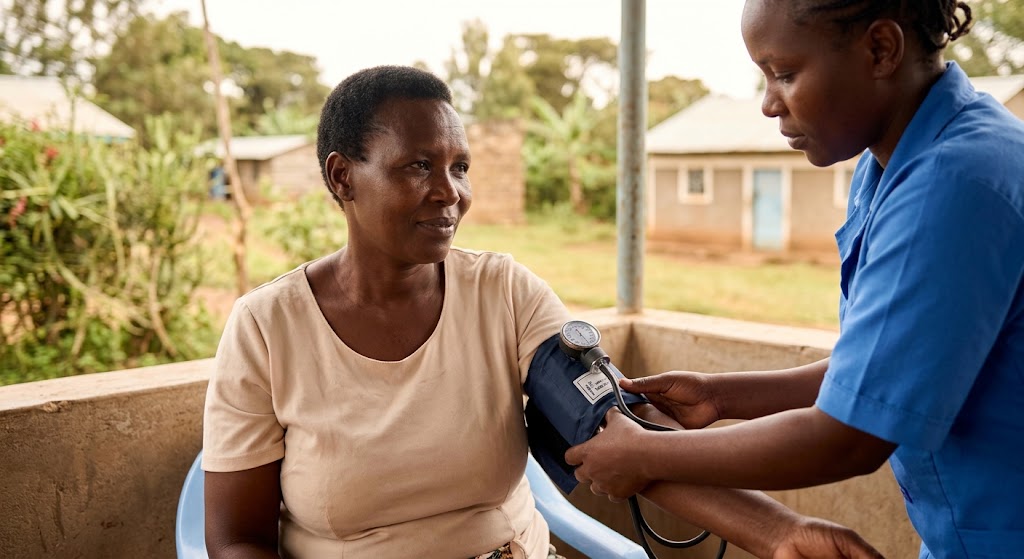
Getting a routine blood pressure check at a local health centre often costs as little as Ksh100, making early detection accessible.
Recognising early subtle signs is equally important. Symptoms such as persistent fatigue, unusual shortness of breath during routine tasks, or mild discomfort in the chest, neck, or jaw should never be ignored.
Paying attention to family health history and scheduling regular medical check-ups remain the most reliable ways to protect heart health.