Advertisement
Health effects of using scented soap on your body
31st May, 2026 02:00 PM
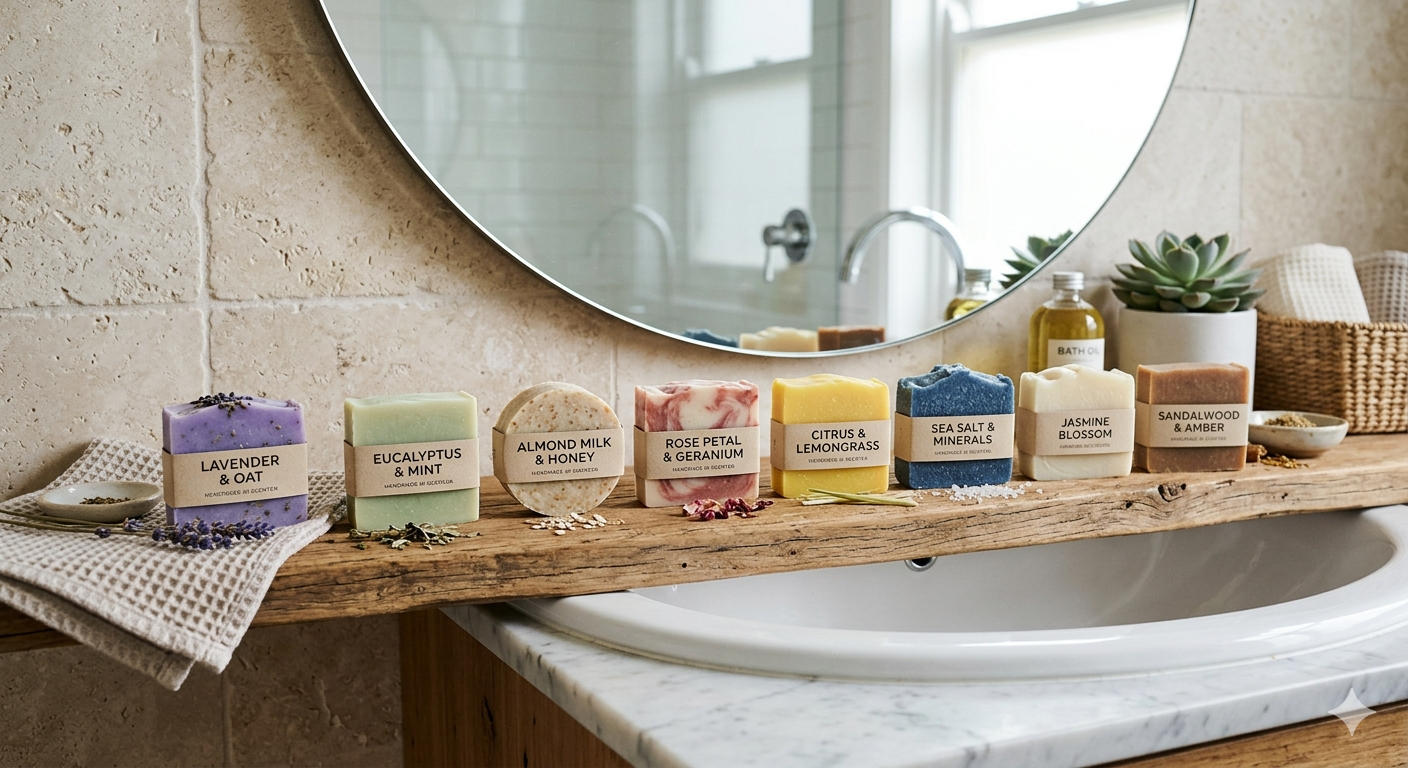
Scented soaps are a common part of hygiene routines, offering a fresh smell and a feeling of cleanliness after every wash. However, beneath the pleasant fragrance, health experts have raised concerns about how repeated use of fragranced cleansing products may affect the skin over time.
While not every product causes problems for everyone, dermatologists and health organisations warn that certain ingredients used to create scent can lead to irritation, dryness, and long-term sensitivity in some individuals.
Understanding what goes into these soaps is important for making informed choices about skin health.
Hidden irritants in daily bathing
Many scented soaps contain added fragrances, preservatives, and chemical compounds designed to make them smell appealing and last longer on store shelves. According to the Mayo Clinic, “fragrance is one of the most common causes of contact dermatitis”, a skin condition that results in redness, itching, and inflammation.
These reactions may not appear immediately and can develop gradually with repeated exposure. For people with sensitive skin, asthma, or eczema, fragranced products can sometimes worsen existing conditions, making daily bathing less soothing than intended.
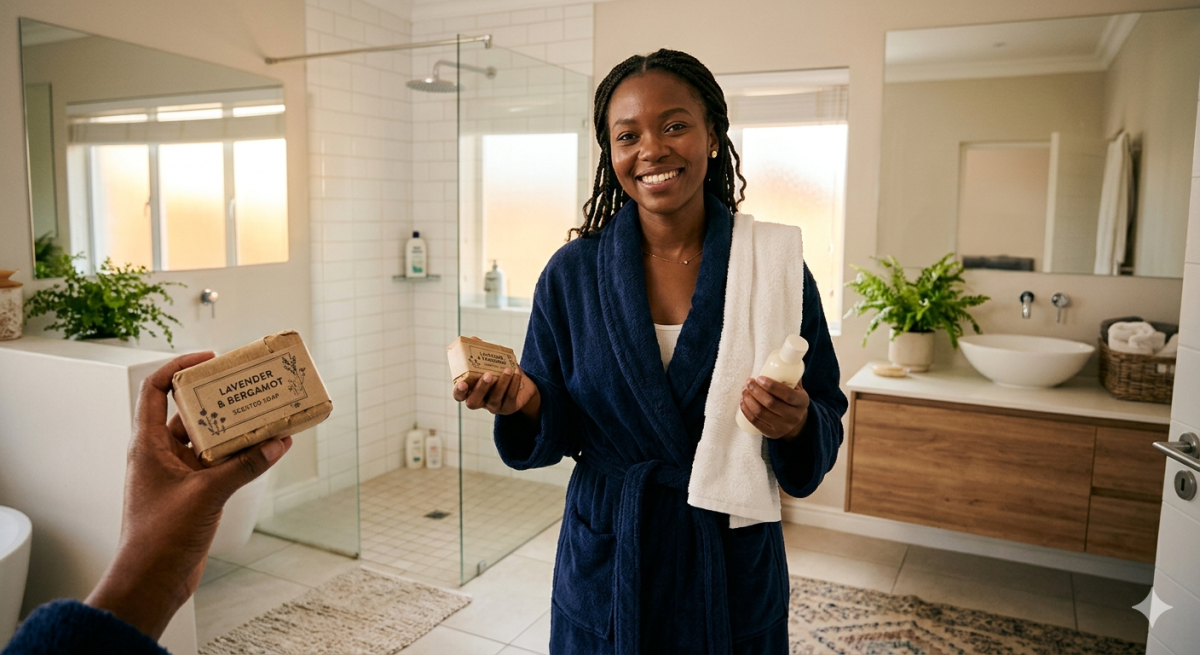
What happens to skin after
The skin acts as a natural barrier, protecting the body from bacteria, pollution, and moisture loss. However, frequent use of heavily scented soaps can strip away natural oils that help maintain this barrier. When this happens, the skin may become dry, tight, or flaky.
In some cases, small cracks in the skin can develop, increasing the risk of irritation or infection. Health guidance from the NHS noted that over-cleansing or using harsh cleansing agents may disrupt the skin’s natural balance, especially when used multiple times a day.
Long-term exposure to artificial fragrances can also make the skin more reactive over time. This means a person who previously had no issues with scented soap may suddenly begin experiencing irritation or discomfort after continued use.
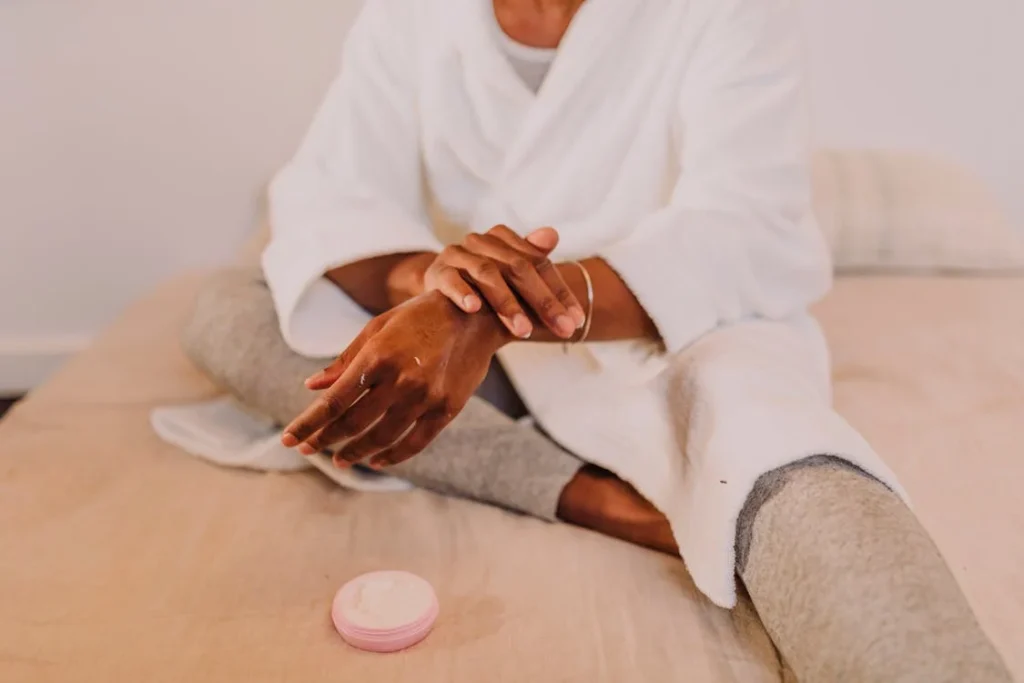
Choosing safer alternatives for hygiene
Health experts often recommend fragrance-free or hypoallergenic soaps for people experiencing skin sensitivity or dryness. These products are designed to clean the skin without adding unnecessary chemicals that may trigger reactions. Moisturising soaps or those containing natural oils such as glycerin can also help maintain hydration while cleansing.
Simple changes in bathing habits, such as using lukewarm water instead of hot water and limiting the use of strong soaps to once a day, can also help protect the skin barrier. Reading product labels is important, as terms like “unscented” and “fragrance-free” may mean different things depending on the manufacturer.
While scented soaps are not harmful to everyone, being aware of their potential effects helps consumers make better choices for long-term skin health. As dermatology experts continue to advise, less irritation often begins with simpler ingredients and gentler routines.