H Pylori, Gastritis or Ulcer? How to spot the difference
By Katemarthason Okudo, June 5, 2026Stomach pain, bloating and indigestion are common complaints, but many people struggle to tell the difference between H. pylori, gastritis, and ulcers. Although the three conditions are closely connected, they are not the same. Understanding what causes them, their symptoms, and the available treatment can help people take the right steps towards recovery.
H Pylori: The bacteria that can cause stomach problems
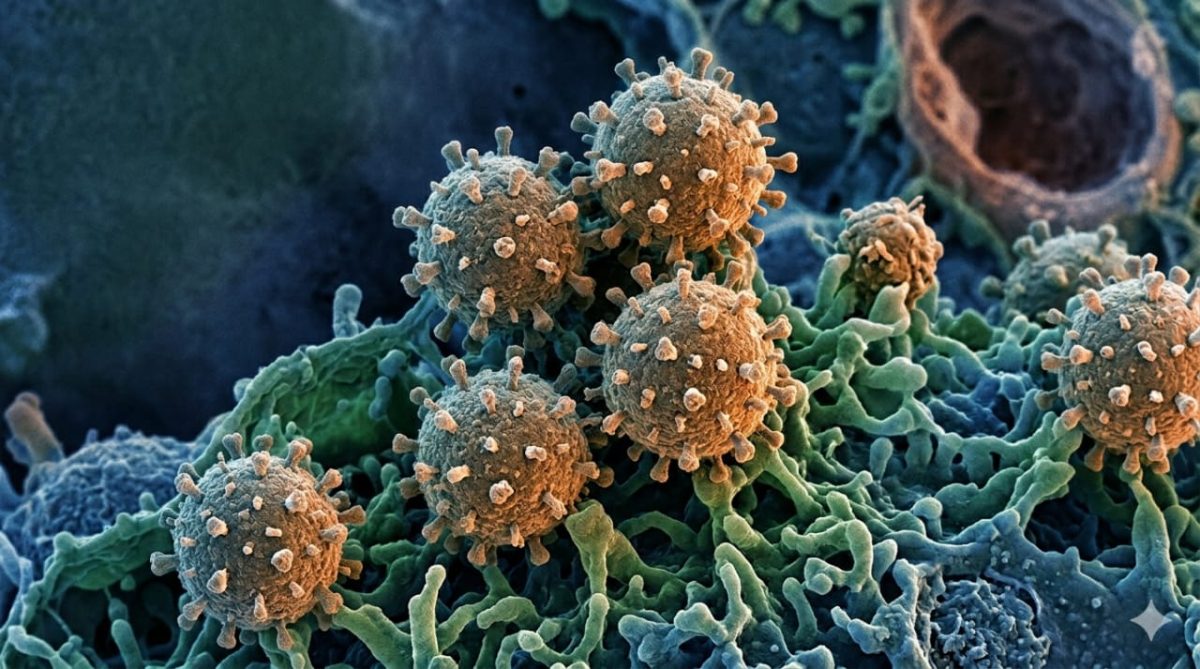
H pylori, or Helicobacter pylori, is a bacterium that lives in the stomach. According to the World Health Organisation (WHO), it is one of the most common bacterial infections worldwide and is often spread through contaminated food, water or poor hygiene practices.
Many people carry the bacteria without realising it because they may not develop symptoms immediately. However, when the bacteria weaken the stomach’s protective lining, stomach acid can begin to irritate the tissue, leading to inflammation and, in some cases, ulcers.
Common symptoms include a burning pain in the upper abdomen, bloating, nausea, frequent burping, loss of appetite, and unexplained weight loss. The National Health Service (NHS) noted that some people may feel discomfort when their stomach is empty.

Doctors usually diagnose H. pylori through breath, stool or blood tests. Treatment often involves a combination of antibiotics to clear the infection and medicines that reduce stomach acid, allowing the stomach lining to heal. Following the full treatment course is important to prevent the infection from returning.
Gastritis: When the stomach lining becomes inflamed
Gastritis occurs when the stomach lining becomes irritated or inflamed. According to the Mayo Clinic, this inflammation can be caused by H. pylori infection, excessive alcohol consumption, long-term use of certain painkillers such as aspirin and ibuprofen, severe stress or some autoimmune conditions.
Unlike H. pylori, which is an infection, gastritis is the inflammation itself. It can appear suddenly or develop slowly over time.
Symptoms may include stomach discomfort, indigestion, nausea, vomiting, loss of appetite, and a feeling of fullness even after eating small amounts of food. The Mayo Clinic also noted that some people may have gastritis without experiencing obvious symptoms.
Treatment depends on the cause. If H. pylori is responsible, the infection must be treated. Doctors may also prescribe medicines that reduce stomach acid and recommend avoiding foods or habits that irritate the stomach. Eating balanced meals and limiting alcohol consumption can support recovery.
Ulcers: Open sores that develop in the stomach
Ulcers, also known as peptic ulcers, are open sores that form on the lining of the stomach or the upper part of the small intestine. According to the NHS, most ulcers develop because of H. pylori infection or prolonged use of anti-inflammatory painkillers.
Unlike gastritis, which causes inflammation, ulcers involve actual wounds in the stomach lining. These sores can become painful and may lead to serious complications if left untreated.
The Cleveland Clinic stated that common symptoms include burning stomach pain, heartburn, bloating, nausea and discomfort that may worsen between meals or during the night. In severe cases, a person may vomit blood or pass black stools, which requires immediate medical attention.
Treatment focuses on removing the cause and allowing the sore to heal. Antibiotics may be prescribed if H. pylori is present, while acid-reducing medicines help protect the stomach lining. Doctors also advise avoiding smoking, excessive alcohol use and medications that may worsen the condition.
While these conditions are often linked, understanding the difference is important. H. pylori is a bacterial infection, gastritis is inflammation of the stomach lining, and ulcers are open sores that develop when the lining is damaged. Anyone experiencing persistent stomach pain, unexplained weight loss, vomiting or signs of bleeding should seek medical advice as early diagnosis can prevent complications and improve recovery.