Advertisement
From curves to muscle: How beauty standards are changing in the fitness world
16th August, 2026 04:16 PM
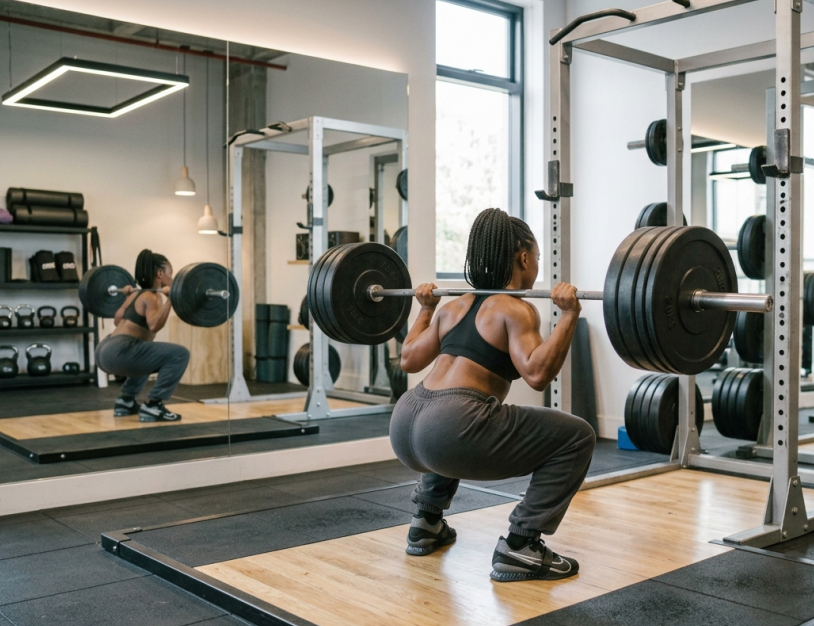
For years, women were told that the perfect body had to be soft, slim, curvy in the “right” places and, preferably, small everywhere else. The fitness world was full of promises to help women lose weight, shrink their stomachs and get that elusive “summer body”. Then something changed.
The dumbbells became heavier, the gym mirrors became busier, and suddenly women were proudly showing off shoulders, thighs, strong backs and muscular legs. The goal was no longer simply to become smaller. For many women, it became about becoming stronger.
The shift from the traditional curvy or slim ideal towards a stronger, more athletic body is now visible across social media, gyms and popular culture. In 2025, Elle described the growing female strength training movement as a fitness trend increasingly centred on muscle, strength and wellbeing rather than simply pleasing traditional beauty standards.
The “skinny” era is slowly losing its grip
There was a time when many women walked into a gym with one mission: lose weight. Cardio machines were packed, salads were photographed and lifting weights was sometimes treated as something women should approach carefully because, apparently, one squat rack session could turn you into a bodybuilder overnight.
That fear is slowly disappearing.
Women are increasingly discovering that strength training does not automatically mean becoming excessively muscular. Research shows that resistance training can improve strength, body composition, bone health, cardiovascular health, mental wellbeing, self-esteem and body image among women.
This has changed the conversation around what a “fit” woman should look like. A woman with visible muscles is no longer necessarily seen as someone who has gone too far. Strong arms, powerful legs and defined shoulders are becoming symbols of discipline and fitness.
Social media has changed the picture
Instagram and TikTok have played a huge role in this transformation. Women can now see other women lifting weights, running marathons, boxing, doing CrossFit, cycling and taking part in strength competitions.
The visibility matters because for a long time, fitness advertising mainly showed one narrow version of the female body.
But social media is not entirely innocent in this story. The same platforms that encourage women to celebrate strength can also create another impossible beauty standard. Instead of being told to be skinny, women can now feel pressured to have a tiny waist, large glutes, a flat stomach, muscular legs and defined arms all at once.
However, research has found that fitness content focused heavily on appearance can negatively affect women’s body esteem, particularly when women begin constantly monitoring how their bodies compare with what they see online.
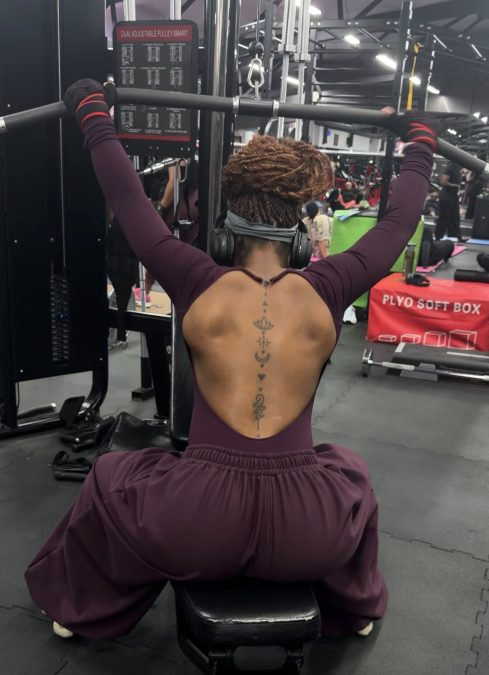
Strength has become part of femininity
Perhaps the most interesting change is that strength is no longer being treated as the opposite of femininity.
Women are wearing gym shorts, lifting barbells and proudly talking about their gains without feeling the need to apologise for having muscles. Celebrities and athletes have also helped normalise muscular female bodies, giving strength training a much bigger place in popular culture.
For some women, the attraction is not even about appearance. It is the satisfaction of carrying heavier shopping bags without struggling, climbing stairs without gasping or finally lifting a weight that once seemed impossible.
The body becomes something that can do things, rather than something that must simply look good.