Ebola outbreak: How Kenya is preparing for possible threats
By Katemarthason Okudo, June 5, 2026The recent Ebola outbreak in parts of Africa has once again highlighted the importance of strong public health systems and early preparedness measures. While Kenya has not reported an Ebola outbreak, health authorities have stepped up surveillance and response mechanisms to reduce the risk of the disease crossing into the country.
Ebola is a severe viral illness that spreads through direct contact with the bodily fluids of an infected person or contaminated materials. Symptoms often begin with fever, fatigue, muscle pain and headaches before progressing to more serious complications. Because of its high fatality rate, prevention and early detection remain key tools in controlling the disease.
Strengthening screening at entry points
To improve the country’s readiness, the Government of Kenya has enhanced surveillance and screening measures at various Points of Entry, including airports and border crossings. These measures are designed to identify potential cases early and prevent the spread of infectious diseases.
As part of these efforts, the Ministry of Health recently received Infection Prevention and Control (IPC) supplies from the International Organization for Migration (IOM). The supplies were handed over to support preparedness and response activities at high-risk Points of Entry.
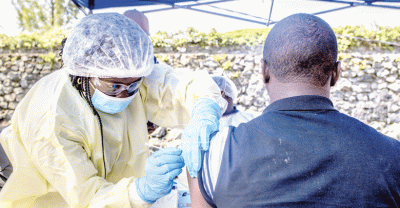
The donated equipment includes thermoguns used for temperature screening, hand sanitisers, gloves, liquid soap, disposable aprons, bleach, granular chlorine and colour-coded waste bins. These items are expected to strengthen infection prevention and control measures while improving the country’s ability to respond to public health emergencies.
According to the Ministry of Health, such interventions are important in ensuring frontline workers have the resources needed to detect and manage potential health threats before they spread widely.
Improving laboratory and emergency response capacity
Beyond screening measures, Kenya has also invested in laboratory preparedness and emergency response systems. Health facilities have been advised to remain alert for symptoms associated with Ebola and other infectious diseases.
Laboratory readiness plays a critical role in confirming suspected cases quickly and accurately. Faster testing helps health officials isolate patients, trace contacts and implement containment measures where necessary.
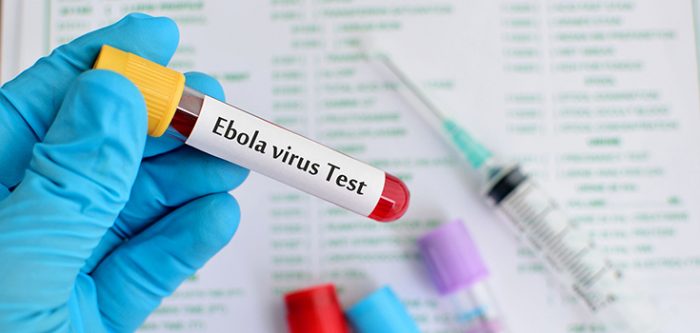
The government has also continued to work closely with international health partners to improve preparedness efforts. These collaborations help strengthen disease surveillance networks, enhance training for healthcare workers and ensure critical supplies are available when needed.
Public health experts note that preparedness is not only about responding to an outbreak but also about maintaining systems that can detect risks early and minimise disruptions to communities.
How the public can stay safe
While government agencies continue to strengthen national preparedness, members of the public also play an important role in preventing the spread of infectious diseases.
Good hygiene practices such as regular handwashing with soap and clean water, using alcohol-based sanitisers and avoiding contact with bodily fluids of sick individuals remain important preventive measures.
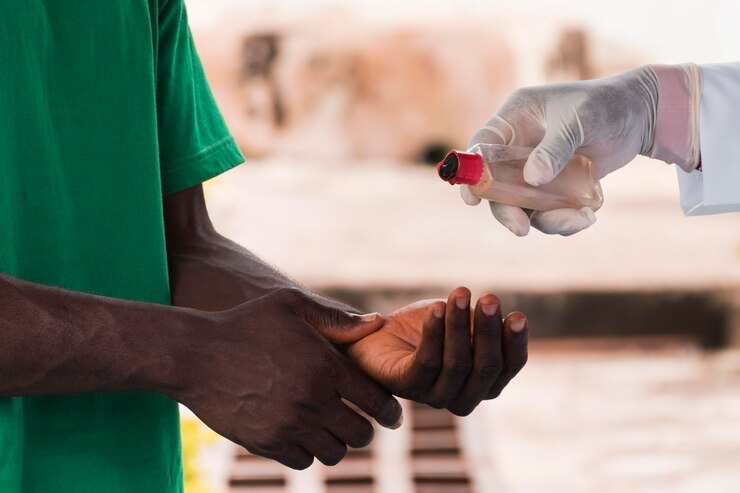
Travellers are encouraged to follow public health advisories and cooperate with screening procedures at airports and border points. Anyone experiencing symptoms such as fever, severe weakness, vomiting or unexplained bleeding should seek medical attention immediately.
The current preparedness efforts demonstrate Kenya’s commitment to protecting public health through prevention, early detection and rapid response. As global travel continues to connect countries, maintaining vigilance against diseases such as Ebola remains essential for safeguarding communities and strengthening national health security.
Additional update
This information comes days after Health Cabinet Secretary Aden Duale confirmed that the country’s national surveillance system had investigated 22 suspected Ebola alerts across nine counties, all of which tested negative.
Duale said the alerts were reported from Nairobi, Kiambu, Uasin Gishu, Nyeri, Nakuru, Nyamira, West Pokot, Kisumu and Bungoma counties during an interview on Wednesday, June 3, 2026.
“The national surveillance system has captured and investigated 22 suspected alerts from across the country. All of them have tested negative,” he said.
He further noted that three recent alerts from Nairobi, Uasin Gishu and Bungoma within the last 24 hours were also investigated and confirmed negative.