Advertisement
Different types of deaths and what each means
23rd May, 2026 08:59 PM
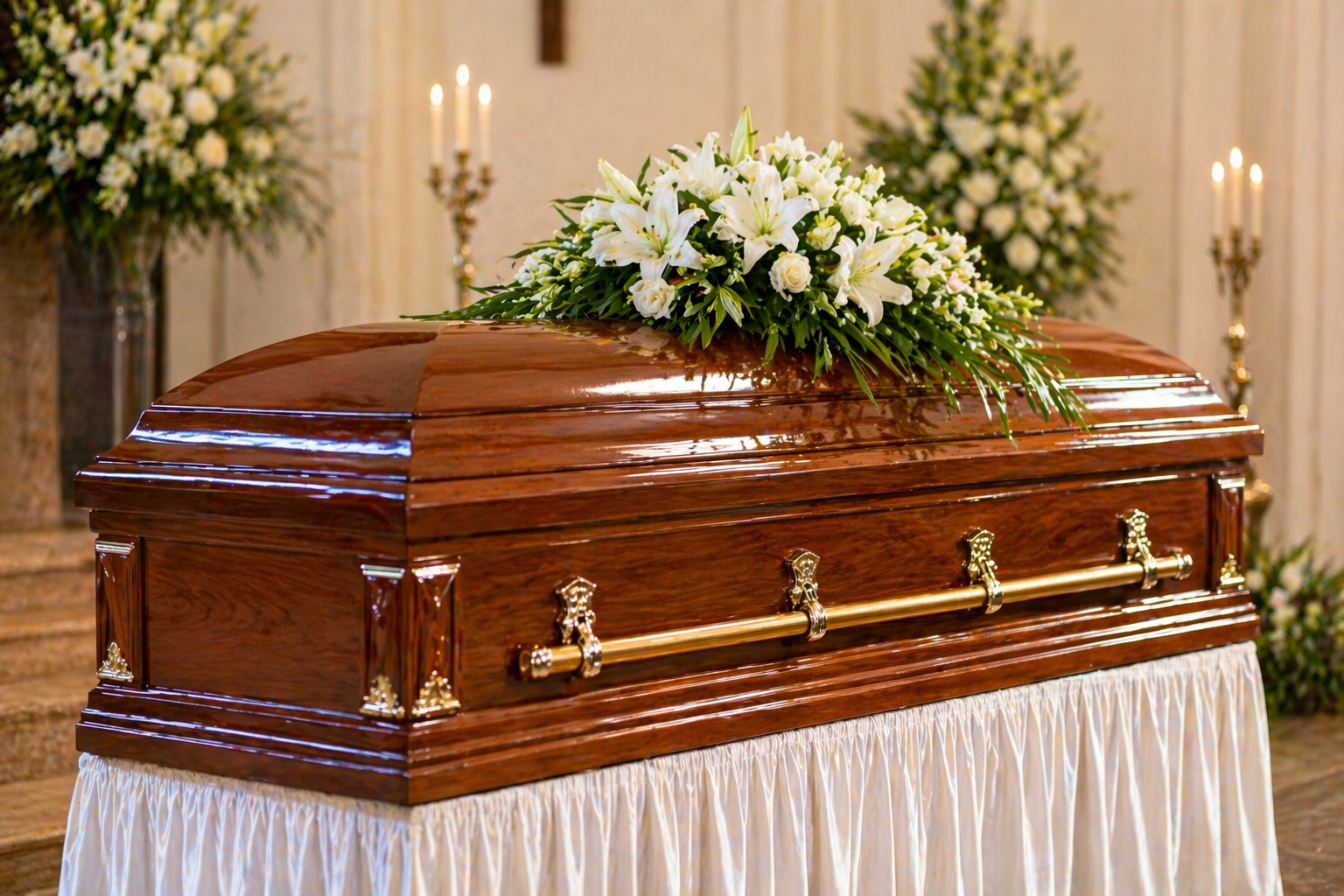
Death is not the same in the medical world. Before someone is fully announced dead, doctors assess different stages and definitions of death depending on how the body and brain have stopped functioning.
Understanding these types helps make sense of how medicine determines the end of life in real situations.
Clinical death
This is the first stage most people associate with death. It happens when the heart stops beating, and breathing stops.
In simple terms, the person looks dead. However, at this stage, doctors can still try to bring the person back using CPR or emergency treatment, especially if it is done quickly.
Brain death
This is when the brain has completely stopped working and cannot recover. Even if machines are keeping the heart beating, the person has no brain activity, no awareness, and no chance of waking up again.
In medicine, this is considered actual death.
Biological death
This is the final stage where the body’s cells and organs begin to die permanently.
At this point, nothing can be done to reverse the process. The body starts to break down because it no longer receives oxygen or blood circulation.

Sudden death
This type of death happens quickly and unexpectedly, often within minutes or hours.
It is usually caused by serious medical events like a heart attack, stroke, or severe internal failure. The person may appear fine moments before it happens.
Natural death
This occurs when someone dies due to illness, aging, or internal body failure without external causes like accidents or violence.
It is often a gradual process, especially in chronic diseases, where organs slowly stop functioning.