Advertisement
Dementia: Recognising its signs, managing the condition and supporting brain health
29th June, 2026 06:06 PM
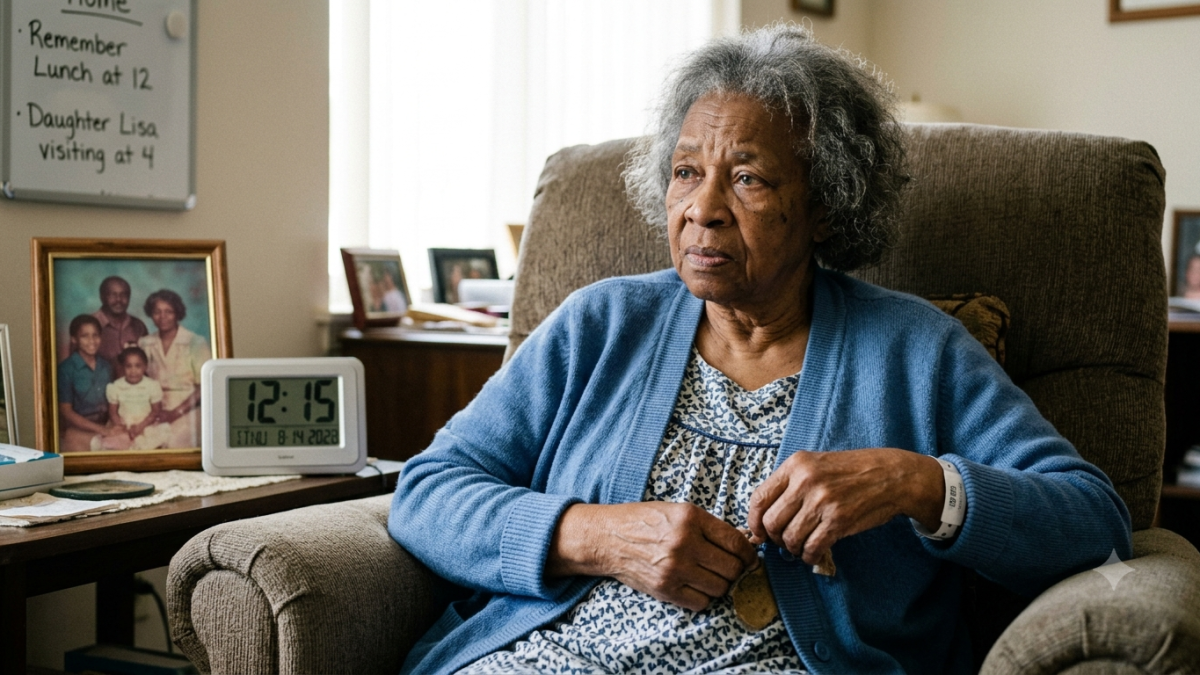
Dementia is a term used to describe a group of conditions that affect memory, thinking, behaviour and the ability to carry out everyday activities. Although it is more common among older adults, it is not a normal part of aging. The condition develops when brain cells become damaged, making it difficult for them to communicate effectively. As the disease progresses, it can interfere with a person’s independence, relationships and quality of life.
According to the World Health Organization (WHO), dementia currently affects more than 55 million people worldwide, with nearly 10 million new cases diagnosed every year. Health experts emphasise that while some forms of dementia cannot be cured, early diagnosis and proper care can significantly improve the quality of life for both patients and caregivers.
What causes dementia?
Dementia develops as a result of damage to brain cells. The most common cause is Alzheimer’s disease, but several other conditions can also lead to dementia. These include vascular dementia, which results from reduced blood flow to the brain, dementia with Lewy bodies, and frontotemporal dementia.
In some cases, repeated head injuries, infections affecting the brain, untreated vitamin deficiencies, excessive alcohol use or certain neurological diseases may also contribute to the condition. Since different diseases affect different parts of the brain, symptoms may vary from one person to another.
Signs and symptoms

The early signs of dementia often begin gradually and may be mistaken for normal forgetfulness. A person may struggle to remember recent events, repeatedly ask the same questions or misplace everyday items.
As the condition progresses, confusion becomes more noticeable. Individuals may have difficulty finding the right words, following conversations or making decisions. They may also become disoriented, even in familiar places, experience changes in mood or personality, withdraw from social activities and find routine tasks increasingly challenging.
According to Mayo Clinic, in the advanced stages, people with dementia may require full-time assistance with eating, dressing, personal hygiene and mobility.
Risk factors
Age remains the strongest known risk factor for dementia, particularly after the age of 65. However, health experts note that it is not solely linked to aging.
Certain factors increase the likelihood of developing dementia, including a family history of the disease, high blood pressure, diabetes, obesity, smoking, excessive alcohol consumption, physical inactivity and high cholesterol. Depression, social isolation and untreated hearing loss have also been associated with a greater risk.
Maintaining good overall health throughout adulthood may help reduce the chances of developing the condition later in life.
Diagnosis and tests
There is no single test that can confirm dementia. Instead, healthcare professionals make a diagnosis by reviewing a person’s medical history, assessing symptoms and conducting several examinations.

These may include memory and thinking assessments, neurological examinations, blood tests to rule out other conditions and brain imaging such as CT or MRI scans. In some cases, more specialised tests may be recommended to determine the specific type of dementia.
Early diagnosis is important because it allows treatment to begin sooner, enables families to plan for future care and helps identify conditions that may be reversible.
Management and treatment
Although there is currently no cure for most forms of dementia, treatment focuses on managing symptoms and slowing disease progression where possible.
Certain medications may temporarily improve memory, thinking or daily functioning in some individuals. According to the Alzheimer’s Association, alongside medication, cognitive stimulation, regular physical activity, a balanced diet, social interaction and occupational therapy can help maintain independence for longer.
Support for caregivers is also an essential part of dementia management, as caring for someone with the condition can be physically and emotionally demanding. Creating a safe home environment and establishing consistent daily routines may reduce confusion and improve wellbeing.
Can dementia be prevented?
While not every case can be prevented, research suggests that adopting a healthy lifestyle may reduce the risk.
Regular exercise, eating a nutritious diet rich in fruits, vegetables and whole grains, controlling blood pressure, managing diabetes, avoiding tobacco, limiting alcohol consumption and keeping the brain mentally active may all contribute to better brain health. Staying socially connected and seeking treatment for hearing loss are also believed to lower the risk.
Health experts encourage regular medical check-ups to identify and manage conditions that could increase the likelihood of dementia.

Is there a cure?
At present, there is no complete cure for Alzheimer’s disease or most other forms of dementia. However, ongoing research continues to explore new medicines and therapies aimed at slowing the disease and improving patients’ quality of life.
Although living with dementia presents significant challenges, early diagnosis, appropriate treatment and strong family and community support can help individuals maintain dignity and independence for as long as possible.