Advertisement
Common diseases that affect newborns and how to stay safe
30th May, 2026 03:50 PM

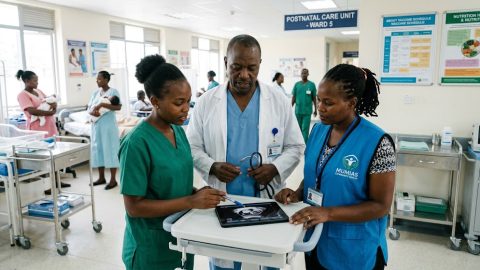
Newborn health remains one of the most sensitive areas in global and national healthcare systems.
According to guidance from the World Health Organisation (WHO) and Kenya’s Ministry of Health (MoH), most newborn deaths occur within the first 28 days of life, often from preventable or treatable conditions when detected early.
In Kenya, improving newborn survival remains a key public health priority, especially in the first week after birth, when risks are highest.
Infection risks early
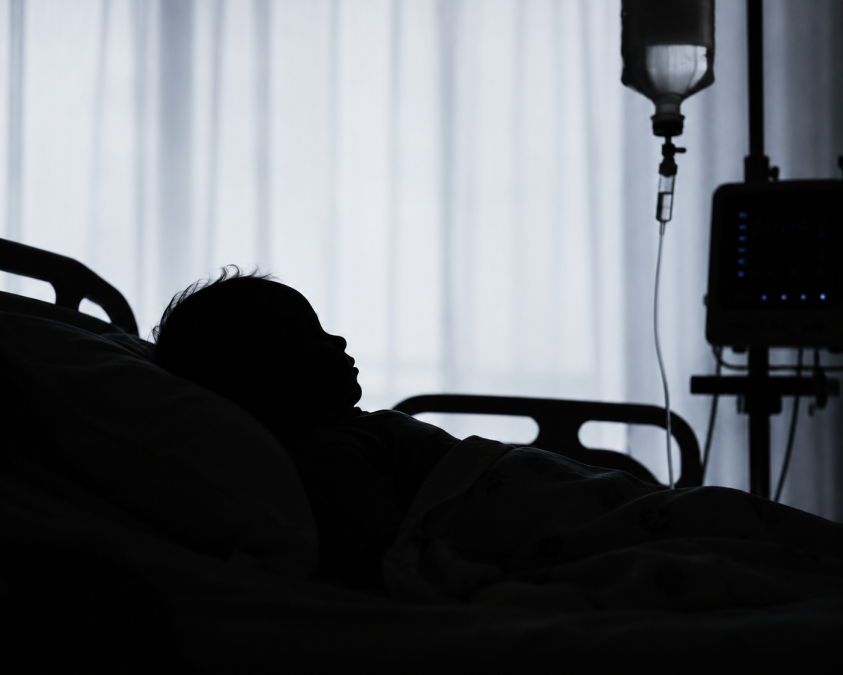
One of the most serious threats to newborns is infection, particularly neonatal sepsis.
This condition occurs when the baby’s body has a severe response to infection, often bacterial, which can spread quickly and become life-threatening.
Newborns are especially vulnerable because their immune systems are still developing.
Infections can be acquired during delivery, shortly after birth, or through exposure in the first days of life.
Symptoms may be subtle at first, such as poor feeding, lethargy, fever, or unusually low body temperature.
The World Health Organisation notes that clean delivery practices, early breastfeeding, and immediate medical attention when warning signs appear significantly reduce risk.
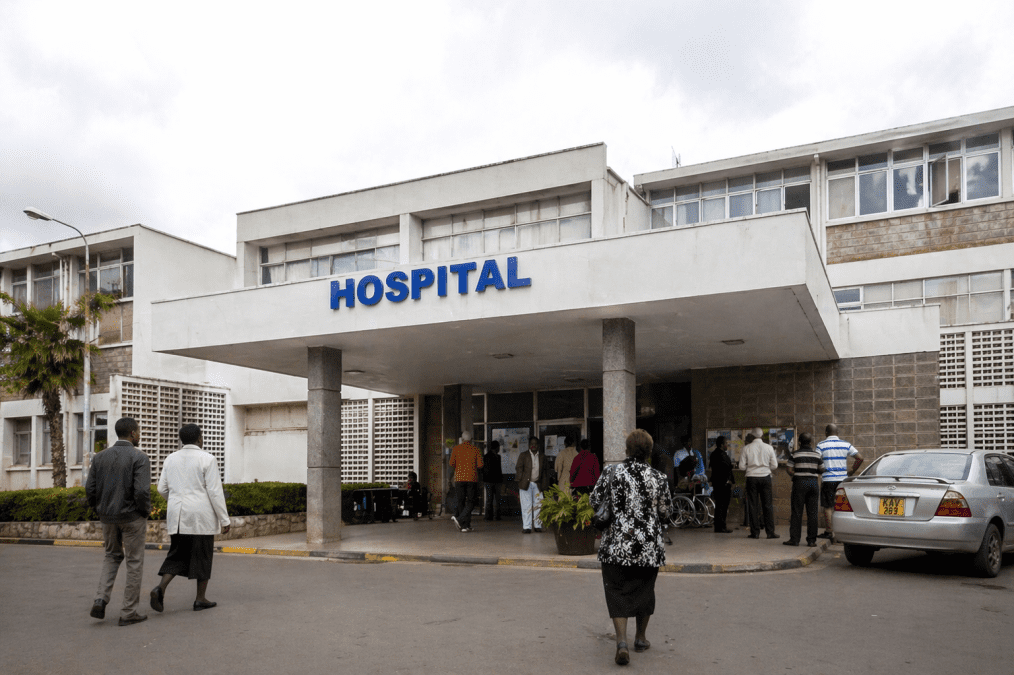
In Kenya, health facilities are encouraged to follow strict infection prevention protocols to protect both mothers and newborns during and after delivery.
Breathing complications
Another major concern is birth asphyxia, a condition where a newborn does not get enough oxygen during or immediately after birth.
This can lead to breathing difficulties, organ damage, or long-term developmental challenges if not managed quickly.
Timely skilled birth attendance is critical. According to the MoH, access to trained health professionals during delivery greatly improves survival rates because immediate resuscitation can be provided if needed.
Newborns who show signs of weak breathing, bluish skin, or difficulty crying require urgent medical attention.
Premature birth challenges
Premature birth, when a baby is born before 37 weeks of pregnancy, increases the risk of multiple complications.
These include underdeveloped lungs, difficulty maintaining body temperature, feeding challenges, and higher susceptibility to infections.
WHO guidelines emphasise kangaroo mother care as one of the most effective interventions.
This involves skin-to-skin contact between the mother and baby, which helps regulate temperature, supports breastfeeding, and improves survival chances, especially in low-resource settings.
Kenya’s maternal health programmes have increasingly adopted this approach in both hospitals and community health systems.
Jaundice in newborns
Newborn jaundice is also common and occurs when a baby’s liver is not mature enough to remove bilirubin from the blood effectively.
It usually appears as a yellowing of the skin and eyes within the first few days of life.
While mild jaundice often resolves naturally, severe cases require treatment such as phototherapy.
If left untreated, it can lead to serious complications.
Health experts recommend early postnatal check-ups within 48 to 72 hours after birth to ensure early detection.
Safe motherhood practices
Prevention remains the strongest protection for newborns. WHO and Kenya’s Ministry of Health both emphasise antenatal care, skilled delivery, exclusive breastfeeding, immunisation, and early postnatal visits as key pillars of newborn survival.