Advertisement
Burns, smoke, and shock: The health dangers students face during dormitory fires
29th May, 2026 07:28 PM

Dormitory fires in schools often spread faster than expected, especially at night when students are asleep. In such moments, panic becomes the first reaction, and many injuries happen not only from fire but from rushed escapes. Burns, cuts from broken glass, and injuries caused by stampedes are common in these situations.
The most immediate threat, however, is smoke. In enclosed spaces like dormitories, smoke fills rooms within minutes, reducing visibility and making it difficult to breathe. According to the health specialists, “smoke inhalation is often more dangerous than burns themselves in enclosed fires”.
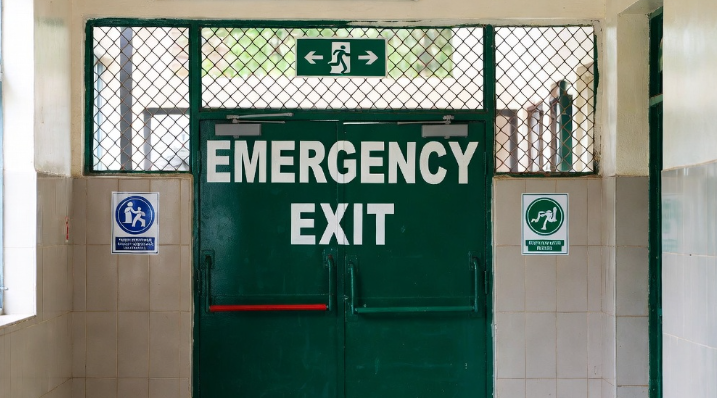
Students caught inside such situations may suffer from suffocation long before flames reach them. The lack of emergency exits or blocked pathways in some institutions worsens the outcome, turning manageable incidents into life-threatening emergencies.
Health risks after smoke exposure
Even after escaping a fire, the danger does not always end. Smoke inhalation can cause long-term damage to the lungs and respiratory system. Students may experience persistent coughing, chest pain, headaches, or difficulty breathing days after the incident.
Exposure to toxic gases released from burning mattresses, plastics, and electrical wiring can also affect internal organs. In some cases, symptoms appear mild at first but develop into more serious conditions over time.
Health organizations such as the Kenya Red Cross Society emphasise the importance of immediate medical attention after any fire incident, even when injuries appear minor Kenya Red Cross Society. Medical experts warn that untreated smoke exposure can lead to complications such as bronchitis or aggravated asthma.
Psychological shock and trauma among students
Beyond physical injuries, dormitory fires leave emotional scars. Many students who experience such incidents report fear of sleeping in enclosed spaces, anxiety, and recurring nightmares. The sudden disruption of safety in a place meant for learning can create lasting psychological stress.
Support agencies such as UNICEF noted that children exposed to emergencies like fires often require emotional and psychological support to recover fully. Without proper counseling, the trauma may affect concentration, academic performance, and general well-being.

Prevention and emergency response in schools
Preventing dormitory fires requires consistent safety measures. Schools are encouraged to install functioning fire alarms, ensure clear evacuation routes, and conduct regular fire drills. Simple awareness of how to respond during emergencies can significantly reduce casualties.
Authorities and safety organizations continue to stress that preparedness saves lives. Quick response, accessible exits, and regular inspections of electrical systems are key steps in reducing fire risks in learning institutions.
When fires do occur, coordinated emergency response and timely medical attention can make the difference between recovery and long-term health complications.