5 Ways to keep children active indoors during cold school holidays
By Cynthia Lodite, August 6, 2026The ongoing cold season across Kenya, marked by low temperatures and frequent overcast skies, often keeps children confined indoors during school holidays. While screen time is a common fallback, physical activity remains vital for maintaining health, focus, and energy levels.
Cold school holidays can make it difficult for children to spend long hours outdoors. In many Kenyan homes, chilly mornings and evenings often mean more time on the couch, increased screen time, and less physical activity.
Yet children still need regular movement to support their physical health, sleep, mood, and concentration.
Creative movement and structured play
Transforming the living room into an active zone starts with simple, guided movement. Organising a daily morning exercise session using online tutorials or rhythmic music helps children burn excess energy early.
Dancing remains one of the most accessible forms of indoor cardio; it requires no preparation and improves coordination. If space allows, creating an indoor obstacle course using cushions, chairs, and household items encourages physical problem-solving.
These activities mimic outdoor movement and help children meet the recommended daily physical activity targets despite the chilly weather.
Beyond structured exercise, traditional games like hide-and-seek or treasure hunts effectively turn a home into a sprawling play area. For younger children, setting up a “scavenger hunt” where they must collect specific household objects keeps them moving from one room to another for extended periods.
Skill-building and cooperative tasks
Engaging children in household responsibilities provides a practical outlet for their energy while teaching essential life skills. Simple tasks like rearranging lightweight furniture, helping with laundry, or preparing healthy snacks in the kitchen require physical movement and mental focus.
These cooperative activities shift the focus from passive entertainment to active contribution.
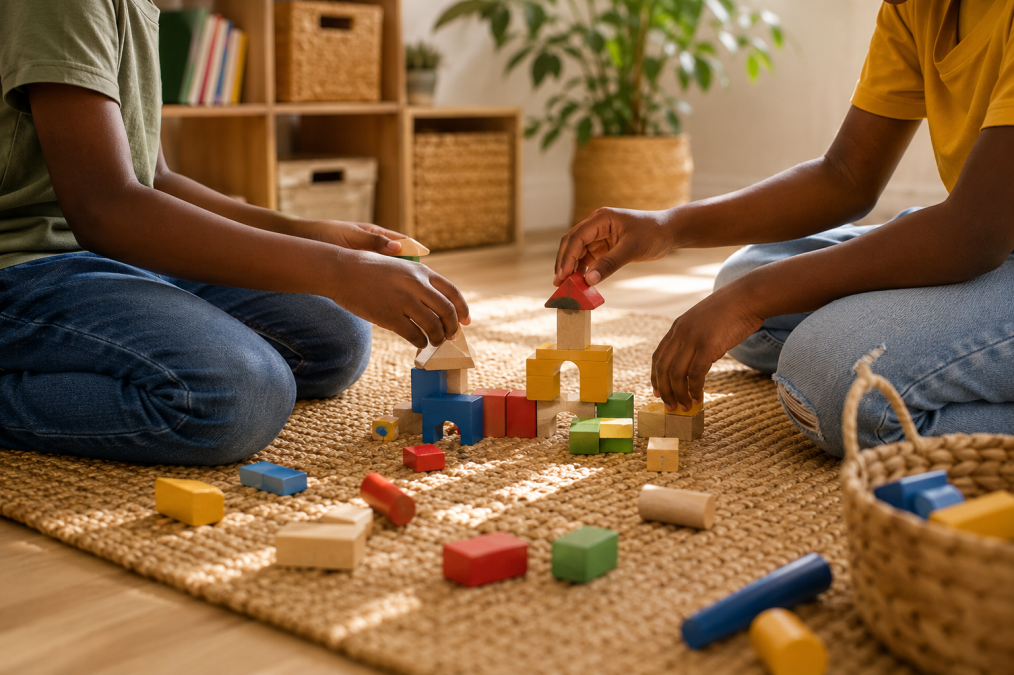
Furthermore, artistic projects that require standing or moving around the workspace, such as building floor-based puzzles or large-scale LEGO constructions, keep children occupied and mobile.
If children are particularly restless, designating a specific area for “active quiet time” where they engage in yoga or stretching routines helps regulate their energy levels before bedtime.
Rotating these activities throughout the day prevents monotony and ensures children remain physically stimulated regardless of the weather outside.
By planning a mix of high-energy movement and purposeful domestic tasks, caregivers can successfully navigate the cold school holidays while keeping children healthy and active indoors.