Advertisement
5 symptoms in children that could signal pneumonia ahead of El Niño
19th September, 2026 04:05 PM
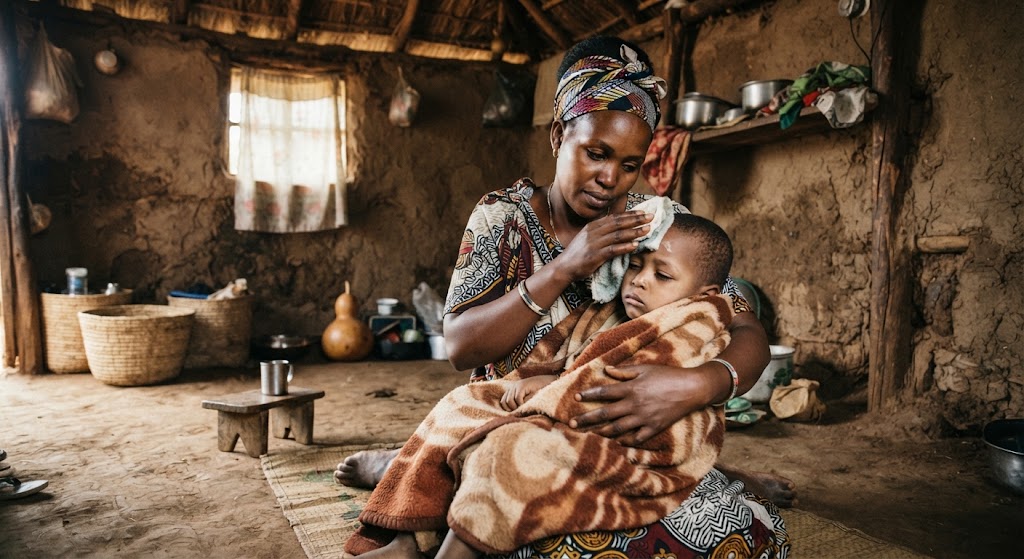
A cough or fever in a child may seem like a routine childhood illness, but some symptoms can point to pneumonia, an infection that affects the lungs even as the world and Kenya prepare for El Niño and the cold from October to December 2026.
Pneumonia can be caused by viruses, bacteria or fungi. When a child develops the infection, the air sacs in the lungs can fill with fluid or pus, making it harder to breathe.
The World Health Organization (WHO) identifies coughing and fast or difficult breathing as key signs that a child may have pneumonia.
Parents and caregivers should therefore pay attention when a child’s symptoms become more severe or are accompanied by changes in breathing and behaviour.
1. Fast breathing
One of the important signs of pneumonia in young children is breathing faster than normal.
WHO guidance uses age-specific breathing rates when assessing children under five. For children aged two months to 12 months, 50 or more breaths per minute is considered fast breathing, while for children aged 12 months to five years, 40 or more breaths per minute is considered fast breathing.
Because a child’s breathing rate can vary, parents should have the child assessed by a health professional rather than relying on the number alone.
2. Difficulty breathing
A child with pneumonia may struggle to breathe normally. They may appear to be working harder to breathe, particularly when the infection affects the lungs.
Difficulty breathing can occur alongside coughing and fever. If the child is visibly struggling to breathe, they should be taken for medical assessment promptly.
3. The chest pulling in when breathing
Parents may notice that the lower part of the child’s chest moves inward instead of expanding normally when the child breathes in.
This is known as lower chest wall indrawing and can be a sign of more serious pneumonia. WHO guidance considers chest indrawing an important warning sign that requires medical assessment.

4. Persistent cough with fever
Cough and fever are common symptoms in children and do not automatically mean that a child has pneumonia. However, when coughing is accompanied by fever and breathing difficulties, pneumonia becomes one of the conditions that needs to be considered.
Parents should avoid assuming that every cough is simply a cold, especially when the child’s symptoms are worsening.
5. Difficulty feeding or drinking
A seriously ill child may struggle to breastfeed, eat or drink. This can be particularly concerning in babies and young children because they can become dehydrated quickly when they are unable to take enough fluids.
WHO lists inability to drink or breastfeed among general danger signs that require urgent medical attention in a child with respiratory symptoms.