From necessity to choice: Why second-hand shopping is thriving
By Katemarthason Okudo, May 7, 2026For a long time, buying second-hand items was mainly associated with saving money during difficult times. Nowadays, that perception is slowly changing. Across the city, more people are walking into thrift markets and browsing online resale pages not because they have no option, but because second-hand shopping has become practical, fashionable, and in some cases, smarter than buying new.
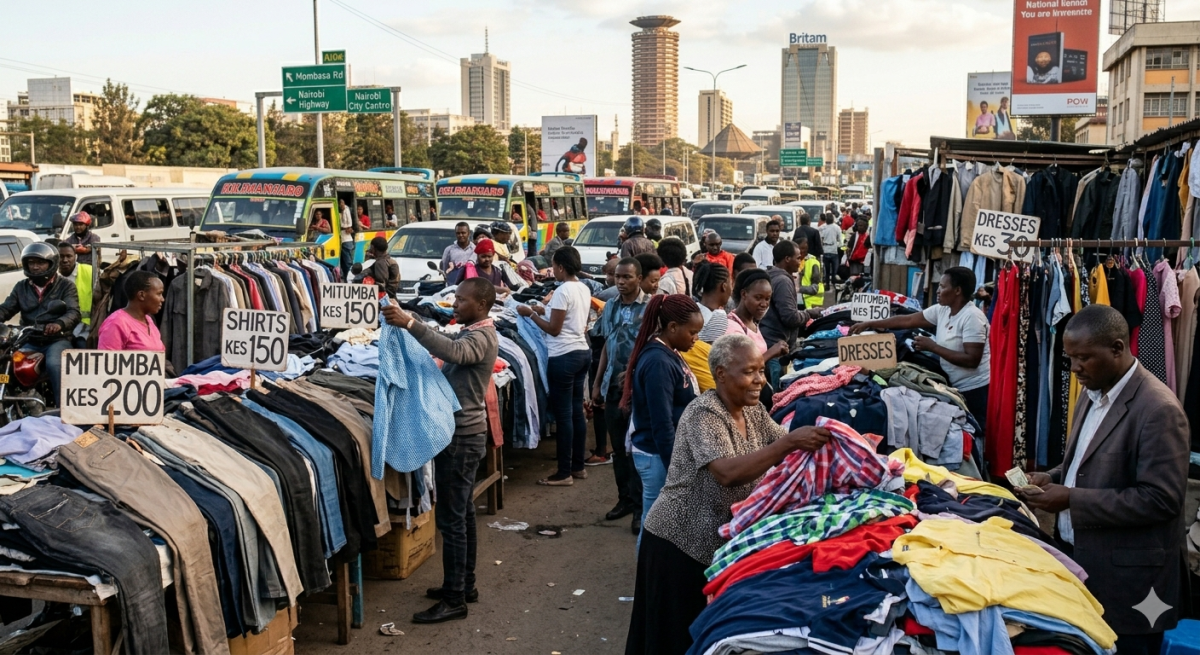
From clothes and furniture to electronics and household items, second-hand culture has grown into a lifestyle that cuts across different social groups. Markets such as Gikomba Market, Toi Market, and Ngara Market continue to attract large crowds daily, while Instagram and TikTok thrift businesses are also gaining popularity among young buyers.
According to reports by the Kenya National Bureau of Statistics, the rising cost of living has pushed many households to become more careful with spending. Second-hand shopping has therefore become a practical way for many Nairobi residents to manage expenses without sacrificing quality. A pair of branded shoes or a durable jacket can cost far less in a thrift market than in a retail shop, making it easier for buyers to stretch their budgets.
But affordability is no longer the only reason people are thrifting. Fashion trends have also played a major role in changing attitudes towards second-hand shopping. Young people, especially, are embracing unique outfits that stand out from mass-produced fashion. Vintage jackets, oversized shirts, and denim pieces are now viewed as stylish finds rather than old clothes. Thrifting has slowly become part of personal style and self-expression.
Social media has further helped reshape the image of second-hand fashion. Nairobi-based thrift sellers regularly post curated outfits online, making second-hand clothing appear trendy and modern. Buyers can now shop from their phones, reserve items, and arrange deliveries without stepping into crowded markets. This convenience has expanded the business beyond traditional stalls and marketplaces.
Environmental awareness is also influencing consumer choices. According to the United Nations Environment Programme, the fashion industry contributes significantly to global waste and pollution. As conversations around sustainable living continue to grow, many consumers are beginning to see second-hand shopping as a more responsible option because it extends the lifespan of products that might otherwise be discarded.
The quality of some second-hand items has also contributed to the growing demand. Many buyers believe imported thrift clothes and furniture last longer compared to some cheaper new products available in the market. Because of this, some shoppers now prefer carefully selected second-hand items because they see them as a better value for money.
Even with its growing popularity, challenges still exist. Counterfeit goods, damaged items, and hygiene concerns remain common in some markets. Buyers often have to inspect products carefully before making purchases. Despite this, the demand continues to rise as more people focus on practicality rather than outdated stereotypes.
What was once seen as a sign of financial struggle is now becoming part of everyday urban life in Nairobi. Second-hand shopping is no longer only about getting by. For many people, it is now about finding quality, saving money, exploring personal style, and making thoughtful buying decisions in a changing economy.