Fresh from your backyard: How to start a kitchen garden
By Nancy Marende, April 1, 2026Growing your vegetables and herbs at home is not only rewarding but also a practical way to ensure fresh, healthy food for your family. In Kenya, where urban living and limited access to fresh produce can be a challenge, a backyard kitchen garden offers a sustainable solution.
Whether you have a small balcony, a courtyard, or a larger backyard, starting a kitchen garden is easier than you might think.
1. Choose the Right Location
Most vegetables and herbs need at least 5–6 hours of sunlight per day. A backyard, veranda, or even a balcony with ample sunlight can work.
Ensure the area has easy access to water, as regular watering is crucial for healthy growth. In urban Kenyan homes, vertical gardening using wall-mounted pots or hanging containers can help maximise limited space.
2. Prepare Your Soil
Healthy soil is the foundation of a thriving kitchen garden. If you have a small backyard, consider building raised beds or container gardens using fertile, well-draining soil.
Mixing compost or manure into the soil enriches it with nutrients, which improves plant growth. In Kenya, locally available organic materials such as cow manure, decomposed kitchen waste, and garden compost can be excellent choices.
3. Select Your Plants
When starting, focus on easy-to-grow, fast-growing vegetables and herbs. Some ideal options for Kenyan households include:
- Vegetables: Sukuma wiki (kale), spinach, sukuma kales, carrots, tomatoes, green peppers
- Herbs: Basil, coriander, thyme, rosemary
- Fruits (small-scale): Strawberries, passionfruit in pots
Start with a few plants to avoid being overwhelmed. Once you gain confidence, you can expand your garden gradually.
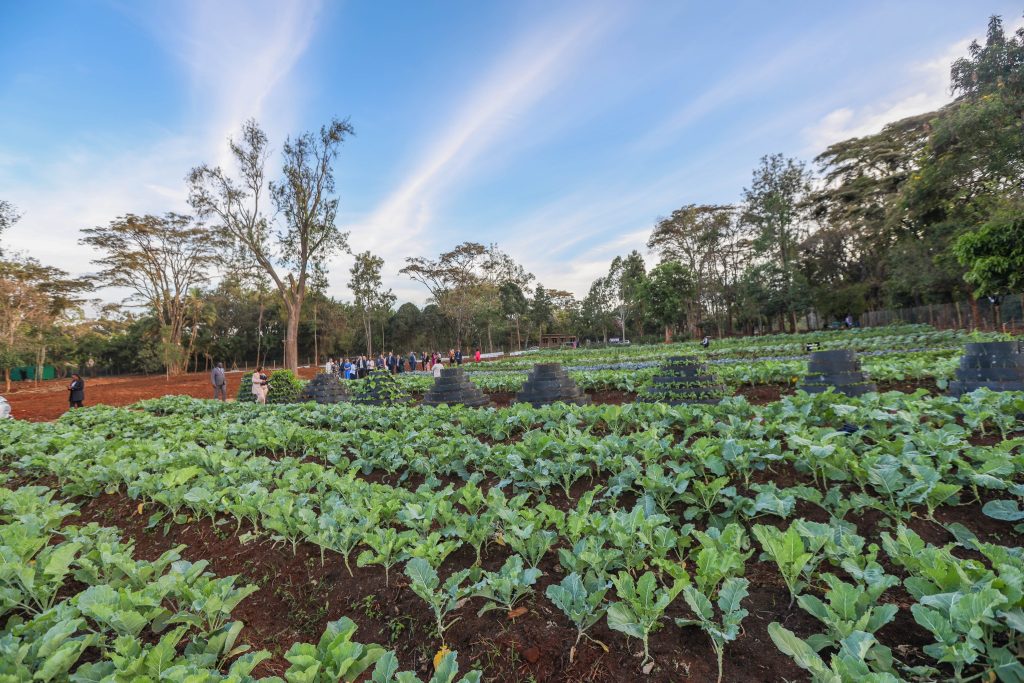
4. Planting and Care
Plant seeds or seedlings according to the spacing recommendations on the seed packet. Water your plants regularly, ideally early in the morning or late afternoon to reduce evaporation.
Mulching around your plants with dried grass or leaves helps retain moisture and suppresses weeds. Regularly check for pests and diseases—using natural pest control methods like neem oil or companion planting can reduce the need for chemicals.
5. Harvesting
One of the joys of a kitchen garden is harvesting fresh produce. Harvest leaves and vegetables when they are tender and at peak freshness. Frequent harvesting encourages new growth. Herbs can be snipped as needed, ensuring they continue to grow without being depleted.
6. Sustainability and Growth
A kitchen garden is not just about immediate harvest; it’s also about creating a sustainable food source. Save seeds from mature plants for future planting, compost your kitchen scraps to replenish the soil, and rotate crops to maintain soil fertility.
Encouraging children to participate can also teach them valuable lessons about nutrition, responsibility, and the environment.