Foods to avoid during menstrual period
By Katemarthason Okudo, May 13, 2026For many women, menstruation comes with uncomfortable symptoms such as cramps, bloating, fatigue, headaches and mood swings. While hormonal changes are largely to blame, what you eat during this time can either help ease the discomfort or make it worse.
Health experts, including guidance from the World Health Organisation, noted that certain foods can trigger inflammation, worsen water retention and increase digestive discomfort during periods. Paying attention to diet can make those few difficult days more manageable.
Salty and processed foods can increase bloating
That packet of crisps, instant noodles or heavily salted fast food may seem tempting during cravings, but these foods often contain high amounts of sodium. Too much salt causes the body to retain water, leading to extra bloating and swelling.
During menstruation, the body is already prone to water retention because of fluctuating hormone levels. Eating salty processed foods can leave you feeling heavier and more uncomfortable than usual.
Instead, lighter homemade meals with less salt can help the body maintain balance and reduce puffiness.
Sugary treats may trigger energy crashes
It is common to crave chocolate, cakes and sugary snacks during a period. While sugar can give a quick energy boost, it is often followed by a sharp crash in blood sugar levels. These spikes and drops can affect mood, increase irritability and worsen fatigue.
Excess sugar may also contribute to inflammation, which can intensify menstrual cramps. Choosing naturally sweet options such as fruits, yoghurt, or smoothies can satisfy cravings without the crash.

Caffeine and fried foods can make cramps worse
Too much coffee, energy drinks or strong tea may increase anxiety, restlessness and breast tenderness during periods. Caffeine can also narrow blood vessels, which may worsen cramping for some women.
Fried foods are another common trigger. They often contain unhealthy fats that promote inflammation in the body. This can increase pain and leave digestion feeling sluggish.
Some people may also notice that spicy foods upset their stomach during menstruation, especially if they already experience digestive sensitivity.
What to eat instead
Foods rich in iron, magnesium and omega-3 fatty acids can help support the body during menstruation. Leafy greens, bananas, avocados, fish, nuts, seeds and whole grains are often recommended.
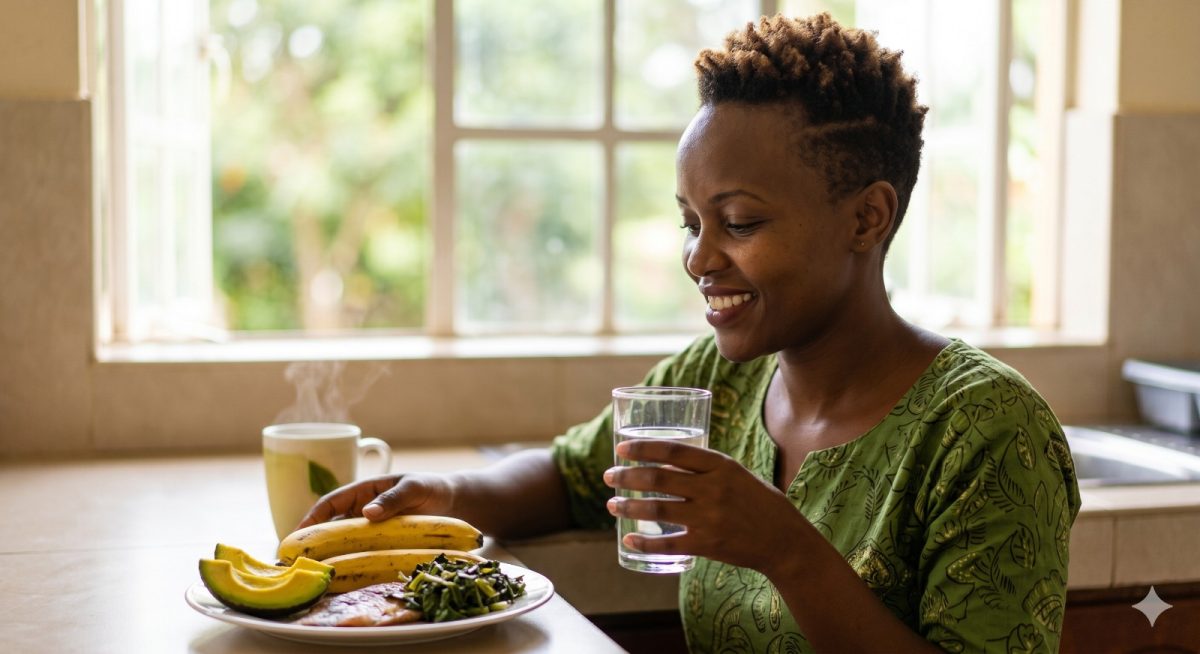
Warm herbal teas and plenty of water can also ease bloating and help with hydration.
Periods can already be physically demanding, but small food choices can make a noticeable difference. Listening to your body and avoiding foods that trigger discomfort can help make that time of the month less stressful and easier to manage.