Why your kitchen needs a dedicated herb corner and how to build one
By Dan Kauna, June 5, 2026There’s a moment every cook knows well: you reach for fresh coriander and find none, so you settle for dried, and the whole dish feels a little flat.
A dedicated herb corner on your kitchen counter solves that permanently. It takes about two hours to set up, costs less than Ksh1,000 to start, and pays you back every single morning.
The science backs it. A 2025 study published in the journal Foods found that culinary herbs including basil, chives, coriander, and parsley contain “diverse bioactive metabolites, such as polyphenols and terpenoids, which contribute to plant defence and offer anticarcinogenic, anti-inflammatory, antioxidant, and cognitive-enhancing effects.”
Growing them at home means you get the full benefit – fresh herbs lose potency quickly after harvest, which is exactly why the ones sitting on a supermarket shelf rarely smell the way they should.
Nairobi’s climate is genuinely one of the best on the continent for indoor herbs. The city sits at 1,700 metres above sea level, which means cool nights, warm days, and no humidity extremes; conditions that most culinary herbs thrive in.
The four herbs that work best
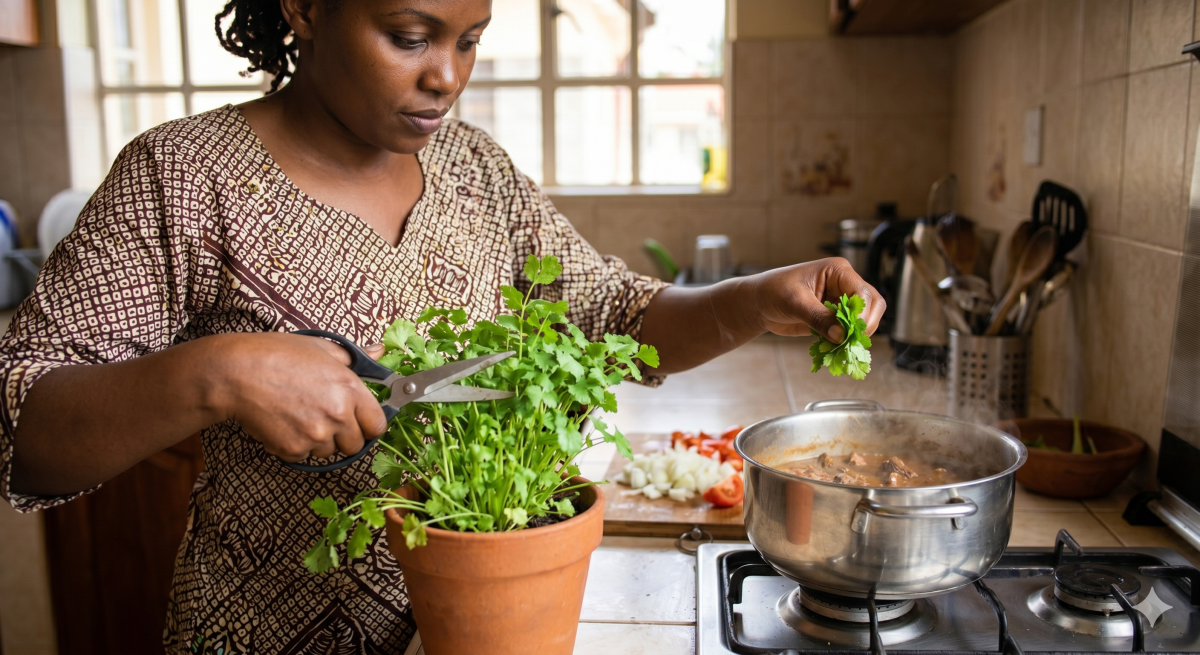
Start with coriander (dhania). It is the workhorse of Kenyan cooking – essential in almost every stew.
Sow seeds directly into a wide, shallow pot with good drainage. Coriander bolts quickly in heat, so keep it away from your cooker and near a window.
Harvest the outer leaves only and it will keep producing for weeks.
Mint (mnanaa) is the second addition. It grows with almost no effort, which also means it must have its own pot; it will crowd out everything else if you let it.
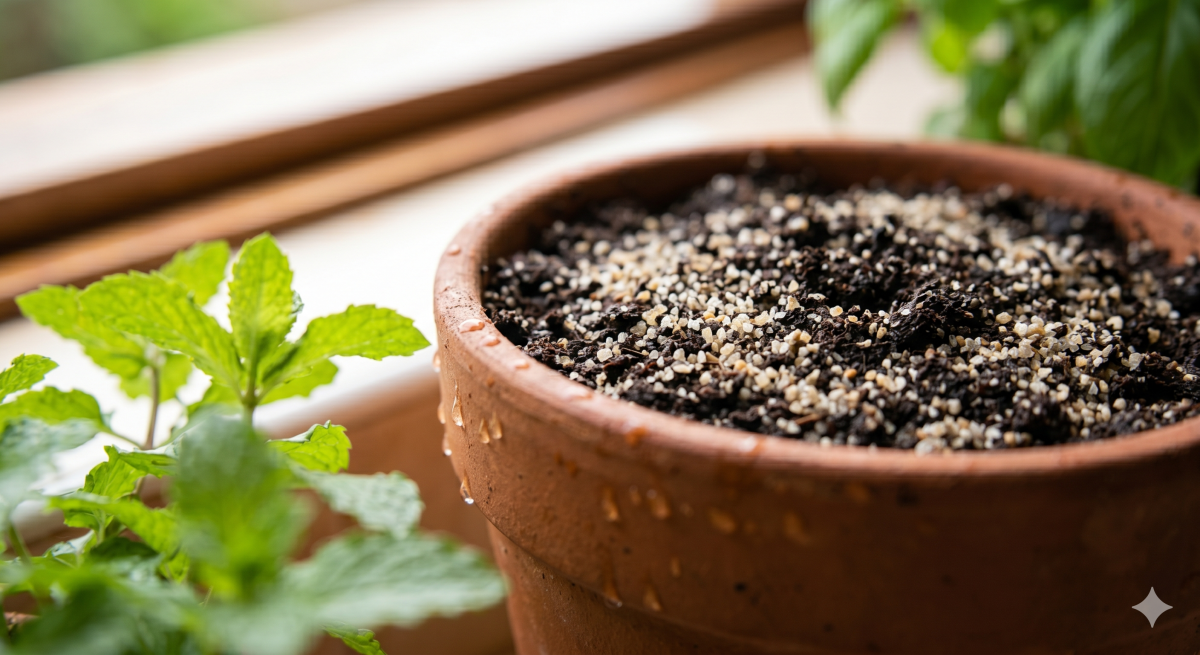
Nairobi tea drinkers already know the difference fresh mint makes; a few sprigs also lift a glass of passion fruit juice entirely.
Basil rounds out the flavour range. It needs the most direct light of the four so place it on the sunniest windowsill you have.
Sweet basil works beautifully in tomato-based dishes and beef stews, and it’s increasingly finding its way into Nairobi’s home cooking as a substitute for the dried Italian variety sold in most supermarkets.
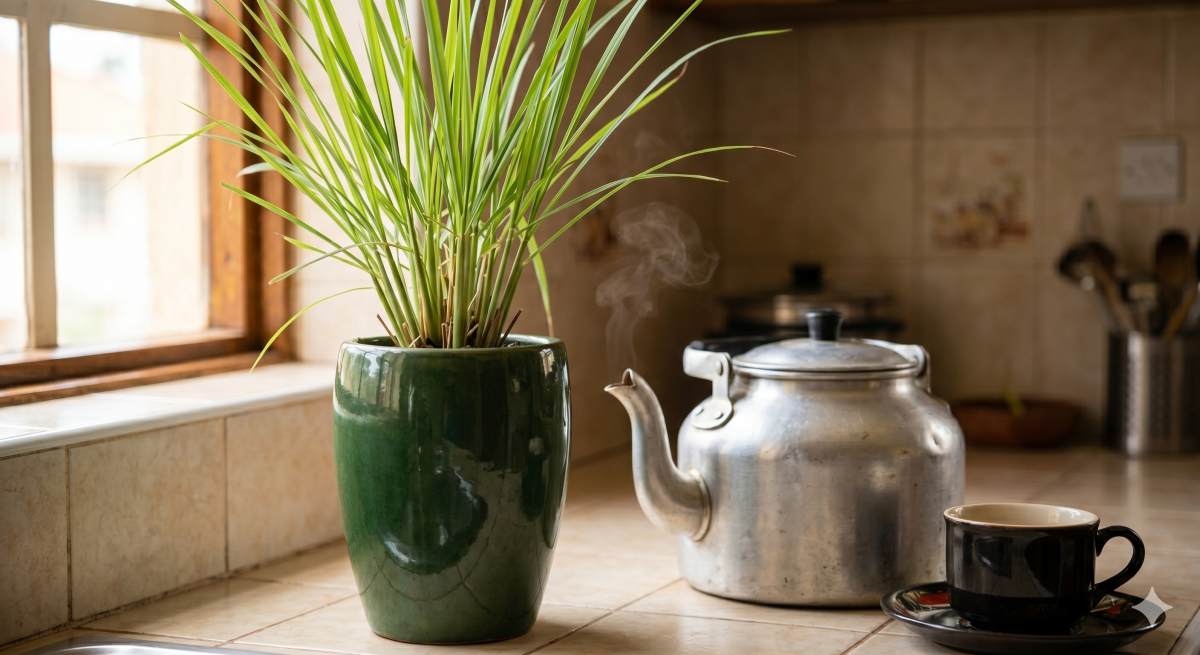
Lemongrass (mchaichai) is your fourth plant. A single stalk planted in a tall container will multiply into a full clump within two months.
Use it in tea, fish dishes, and traditional broths. It asks for very little water and handles the city’s cooler seasons without complaint.
How to set it up this weekend
Buy four pots with drainage holes. Terracotta works best because it breathes and prevents root rot.
Fill them with a mix of regular potting soil and a little river sand for drainage. Position them along a counter that gets at least four hours of natural light daily; an east or west-facing window is ideal. South-facing windows work best for basil specifically.
Water each herb when the top centimetre of soil feels dry. Not before. Overwatering kills more kitchen herbs than any other mistake.
Feed your plants once a month with a small amount of general-purpose fertiliser. Most importantly, harvest regularly: the more you pick, the more the plant produces.
Label each pot clearly, especially if you live with others who cook.