Why home-cooked meals often don’t match restaurant quality
By Paulette Mboga, June 16, 2026Home-cooked meals often taste different from restaurant food, even when the same recipe is used.
Many people follow instructions carefully but still notice that their dishes lack the depth, richness, or consistency found in restaurants. This difference is not always about cooking talent.
It usually comes down to technique, ingredients, and environment. Understanding these factors can help improve everyday cooking and bring home meals closer to restaurant quality.
1. Ingredient quality and consistency
One of the main reasons home-cooked meals do not match restaurant quality is the difference in ingredients. Restaurants often source fresh, high-quality, and standardised ingredients to maintain consistent taste in every dish.
They also use specific cuts of meat, fresh herbs, and professionally graded spices that are not always available in regular home kitchens.
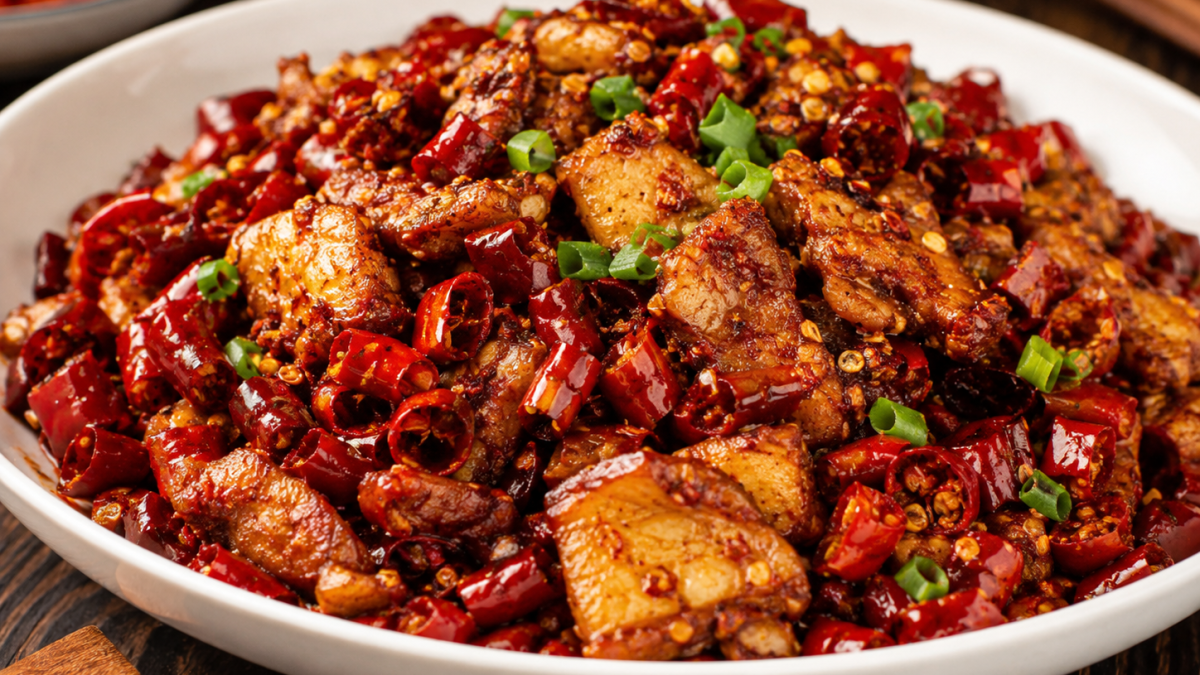
At home, people often substitute ingredients based on availability or budget. This can change the final flavour significantly. For example, using older spices that have lost strength or low-quality cooking oils can make food taste flat.
Restaurants also measure ingredients precisely, ensuring balance in every dish, while home cooking is often estimated, which can lead to slight imbalances in taste.
2. Cooking techniques and equipment
Another key factor is the difference in cooking techniques and equipment. Professional kitchens use high-powered stoves, ovens, and specialised tools that allow for better heat control and faster cooking.
This helps lock in flavour and achieve textures that are difficult to replicate at home.
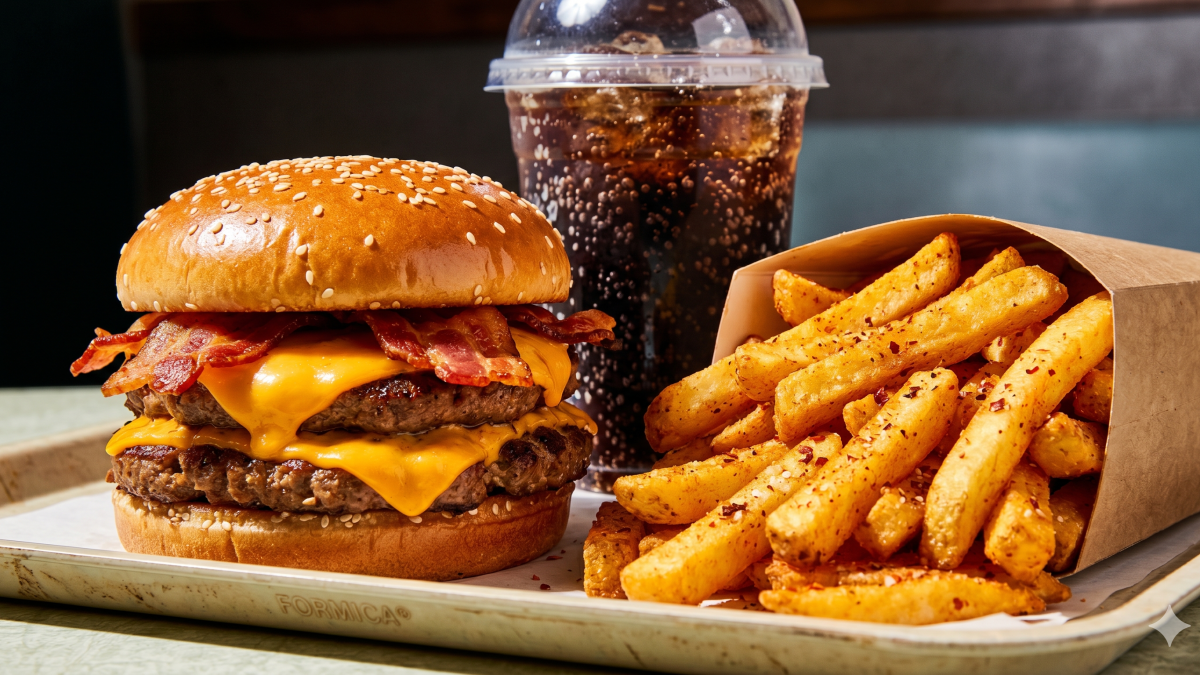
For instance, restaurants often cook food at very high heat for a short time, which enhances flavour through caramelisation and browning. At home, many people cook at lower or inconsistent heat, which can result in less flavourful meals.
Additionally, chefs are trained in layering flavours step by step, such as building a base with aromatics before adding other ingredients. This structured approach is not always followed in home cooking, where time and attention may be limited.
3. Preparation and timing
Preparation and timing also play a major role in the difference between home and restaurant meals. In restaurants, much of the preparation is done in advance. Ingredients are chopped, measured, and pre-cooked before the actual cooking begins. This allows chefs to focus fully on timing and presentation when an order is placed.
At home, however, cooking is often done all at once, which can affect the final result. Multitasking between preparation and cooking can lead to overcooking or under-seasoning. Timing is also critical in food quality.
Even a few extra minutes on the heat can change texture and flavour, something that trained chefs carefully control.
In conclusion, the difference between home-cooked meals and restaurant-quality food comes down to ingredients, technique, and preparation. Restaurants rely on precision, professional tools, and structured processes to maintain consistency and depth of flavour. Home cooking, while often more flexible and personal, can lack these systems.
However, by improving ingredient selection, paying attention to technique, and organising preparation better, anyone can significantly improve the quality of meals cooked at home.