Why frozen vegetables are nutritionally better than you think
By Dan Kauna, June 24, 2026Many urban Kenyans know the weekly routine. You spend your Saturday at the local market or supermarket stocking up on fresh spinach, traditional greens, and broccoli for the week.
By Tuesday evening, half of that expensive haul is already wilting in the fridge crisper.
While fresh produce feels like the healthier choice, scientific evidence shows that frozen vegetables often match or beat the nutritional value of fresh items stored for more than two days.
How freezing locks in nutrients
The secret behind the nutritional power of frozen vegetables lies in the timing of the harvest. Farmers pick fresh market vegetables before they fully ripen so they do not rot during transit. These items lose nutrients every hour they spend sitting in supply trucks and on shelves.
Frozen vegetables, however, undergo flash-freezing immediately after harvest when their nutrient levels peak. This process begins with blanching the vegetables briefly with hot steam to stop the enzymes that cause spoilage, keeping the vitamins intact.
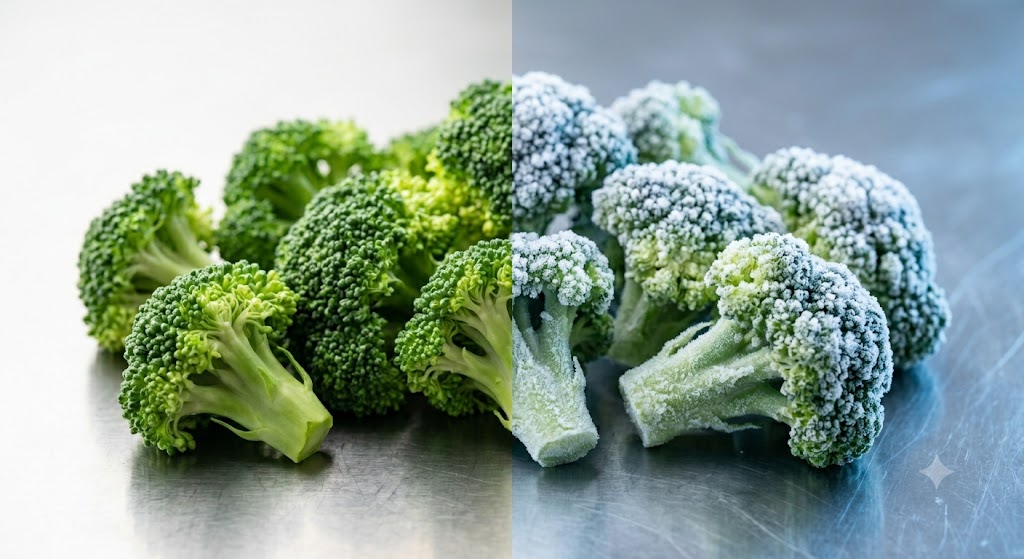
Vegetables are living organisms that break down rapidly after being picked. In a 2017 study published in the Journal of Food Composition and Analysis, researchers tracked how nutrients degrade in standard home storage.
Lead researcher Professor Ronald Pegg explained: “Our research shows that frozen fruits and vegetables are nutritionally equal to, and in some cases better than, their fresh-stored counterparts.”
This happens because freezing stops the natural decay that occurs during refrigeration.
Saving your vitamins and your budget
When it comes to specific vitamins, the freezer wins the battle against time. Vitamin C is highly sensitive to air and temperature.
Fresh greens can lose a significant portion of this vitamin within forty-eight hours of refrigeration. Frozen vegetables lose a small amount during initial blanching, but their levels remain stable for months.

For Kenyan households trying to stretch a budget, this science offers a fix. A weekly shopping trip often leaves families consuming nutrient-depleted vegetables by Friday.
Buying frozen produce ensures that a meal cooked at the end of the week delivers the same nutritional punch as one made on Monday. Instead of watching a Sh500 market purchase go to waste, choosing frozen options keeps your family healthy and protects your hard-earned money.