The different ways Kenyans are reinventing matoke
By Katemarthason Okudo, September 15, 2026Matoke has long been a familiar meal in Kenyan homes, particularly in areas where cooking bananas are widely grown and eaten. Traditionally, the green bananas are peeled, boiled or steamed and served as a filling meal, often alongside meat, vegetables or other accompaniments.
But the humble cooking banana is no longer limited to the familiar pot of matoke stew. Kenyans are finding different ways of preparing it, from mashing it with potatoes to frying, roasting and turning it into crisps.
According to the Kenya Agricultural and Livestock Research Organisation (KALRO), cooking bananas and plantains can be used at different stages and in several forms, including boiled, fried, roasted, mashed and processed into products such as banana flour and crisps.
From a simple stew to a complete meal
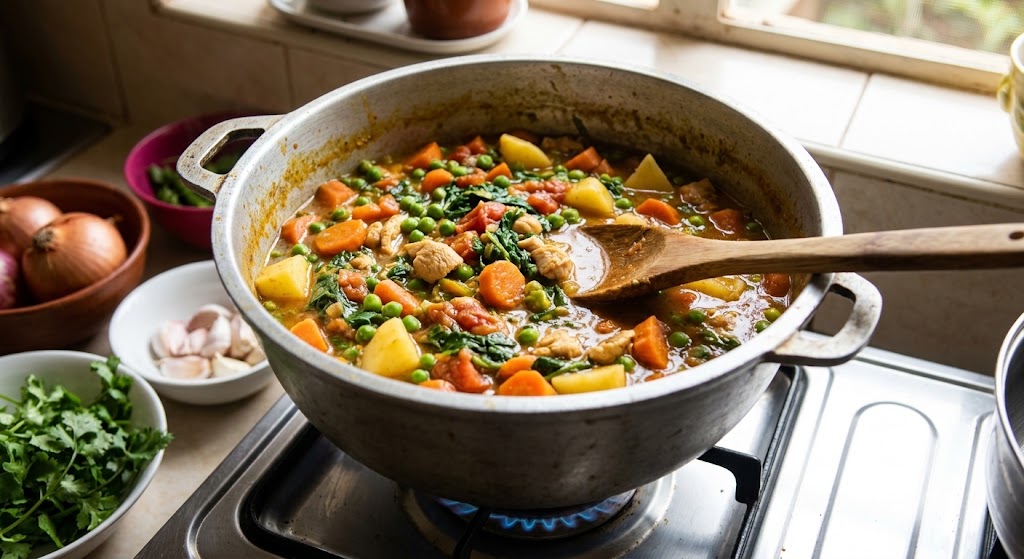
One of the most common ways of preparing matoke is to cook the green bananas in a sauce made from onions, tomatoes, garlic, spices and coriander. Beef, chicken or other vegetables can be added to make the meal more substantial.
The bananas absorb the flavours from the sauce as they cook, giving the dish a soft texture without making it overly complicated.
Some households also combine matoke with beans. The beans add a different texture and turn the meal into a simple one-pot dish. Vegetables such as carrots, green peppers, and leafy vegetables can also be included depending on what is available.
The versatility of the dish means that the same green bananas can produce noticeably different meals depending on the ingredients used.
Mashed matoke offers another option
Instead of leaving the bananas in chunks, they can be boiled until tender and mashed. The result can be served in a similar way to mashed potatoes.
Some cooks combine matoke with potatoes before mashing them. Butter, milk, spices, onions or herbs can then be added to change the flavour. Cooking bananas are suitable for mashing as well as boiling, frying and roasting, making them useful beyond the traditional stew.
The mashed version can be served with beef stew, chicken, vegetables, beans, or other sauces, making it suitable for both ordinary family meals and larger gatherings.
Coconut brings a coastal touch
Another way of reinventing matoke is by using coconut milk. The creamy milk gives the bananas a softer texture and introduces a flavour associated with coastal Kenyan cooking.
Matoke cooked with coconut sauce can be combined with beef, spices, garlic, ginger and coriander. The result is different from the tomato-based version while still using the same basic ingredient.
Fried, roasted and turned into crisps
Matoke can also be taken away from the cooking pot altogether. Green bananas can be sliced and fried, producing a snack with a firmer texture. When prepared as thin slices, cooking bananas can also be turned into crisps.
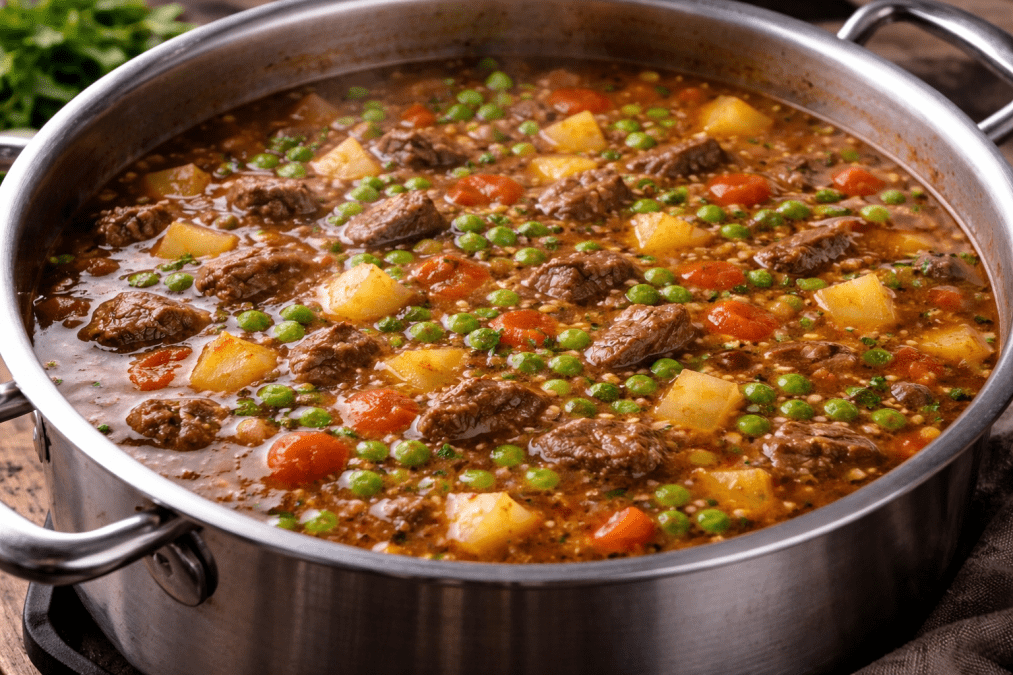
Roasting offers another option, particularly for people who prefer a less oily preparation. The bananas can be roasted and eaten as a snack or served as part of a larger meal.
The different preparation methods show why matoke remains useful in the kitchen. It can form the centre of a hearty stew, be mashed like potatoes, take on the richness of coconut sauce or become a simple snack.
A familiar food with room for creativity
Matoke is also increasingly finding its way into different combinations. It can be served with avocado, steamed vegetables, beef, chicken, fish or beans, while some cooks use spices such as curry powder, turmeric, cumin and black pepper to give the meal a different character.
The basic ingredient may remain the same, but the cooking method and accompanying ingredients can completely change the final dish.
For Kenyan households looking for ways to make everyday meals more interesting, matoke offers plenty of room for experimentation. What starts as a bunch of green cooking bananas can become a stew, mash, snack, crisps or a coconut-based meal.
Rather than being tied to one traditional preparation, matoke continues to show how a familiar Kenyan food can adapt to different tastes, ingredients and cooking styles.