Simple ways to tell when meat is no longer safe to eat
By Katemarthason Okudo, July 18, 2026Many people rely on smell to decide whether meat is still safe to cook, but food safety experts warn that this can be misleading.
While spoiled meat often develops an unpleasant odour, harmful bacteria do not always produce a smell that people can detect. According to the World Health Organization (WHO), meat can appear normal and still carry germs capable of causing food poisoning.
Knowing what to look for before preparing a meal can help reduce the risk of illness and prevent unnecessary waste. From changes in texture to unusual colours, there are several signs that indicate meat may no longer be safe to eat.
Check the texture before cooking
One of the clearest warning signs is a change in texture. Fresh meat should feel firm and slightly moist, but it should not be excessively sticky or slimy.
If the surface feels slippery even after removing the natural juices, it may be a sign that bacteria have multiplied. A tacky or mucus-like coating is another indication that the meat should be thrown away rather than cooked.
Although some moisture inside the packaging is normal, a thick, slimy layer is not, according to the United States Department of Agriculture (USDA) Food Safety and Inspection Service.
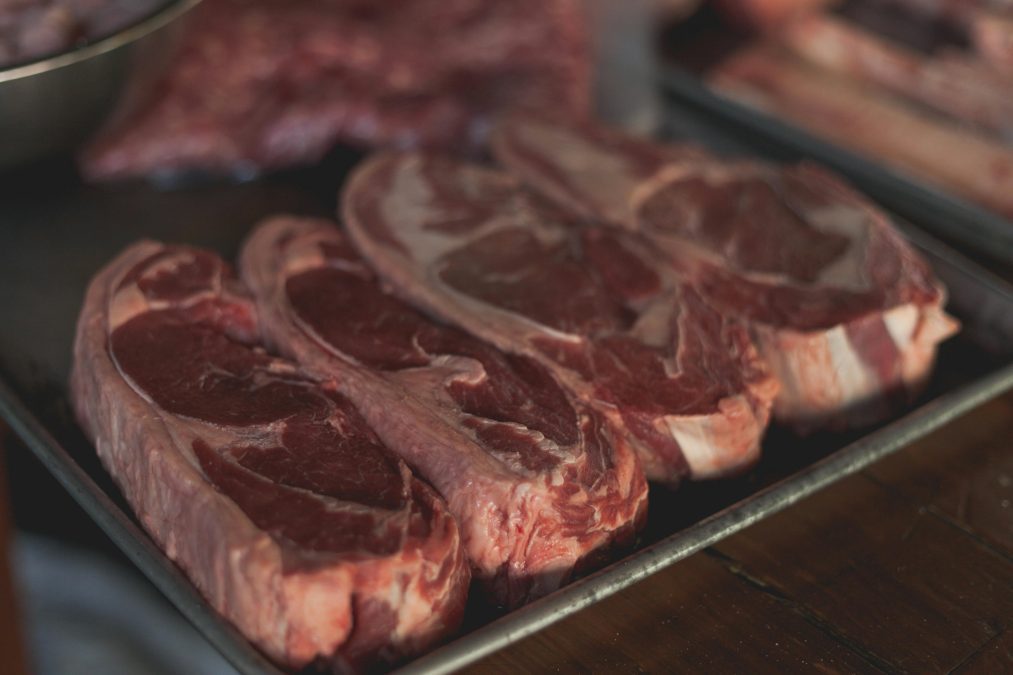
Pay attention to unusual colour changes
Colour can also reveal a lot about the condition of meat, although it should not be the only factor considered.
Fresh beef is typically bright or deep red, while lamb has a rich red appearance and pork should be pinkish-grey. Chicken should have a light pink colour.
If meat develops green, grey, black or iridescent patches, or if mould begins to grow, it should not be eaten. While some slight colour changes may occur because of exposure to oxygen, dramatic or uneven discolouration usually points to spoilage, according to the Food Standards Agency (UK).
Look closely at the packaging
The condition of the packaging can provide important clues before it is even opened.
If a vacuum-sealed pack has puffed up or swollen, gases produced by bacteria may have built up inside. Tears, leaks or damaged seals can also allow harmful microorganisms to enter the package.
According to the Food and Agriculture Organization of the United Nations (FAO), meat that is sitting in excessive amounts of cloudy liquid may also have started to spoil, particularly if it has been stored for several days.
Always check the expiry or use-by date
Many shoppers focus on how meat looks and forget to check the label. A use-by date is there for safety reasons and should not be ignored. Even if meat appears fresh, it should not be eaten after the use-by date has passed.
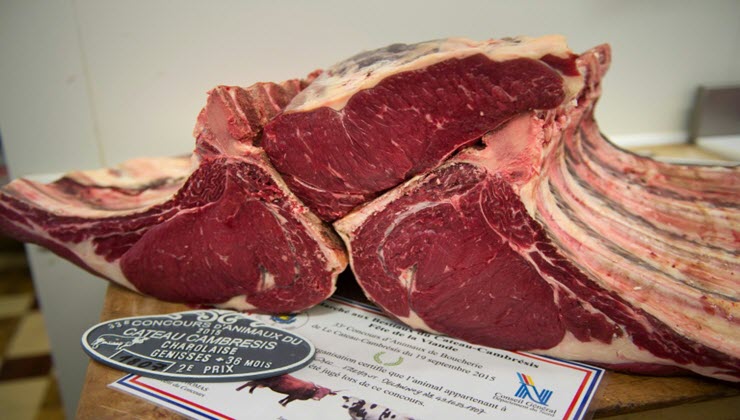
Best-before dates relate more to quality than safety, but use-by dates indicate the final recommended day for safe consumption when the meat has been stored correctly.
Think about how it has been stored
Proper storage plays a major role in keeping meat safe.Fresh meat should be refrigerated at temperatures below 5°C and should not remain at room temperature for more than two hours. During hot weather, this safe window becomes even shorter.
If meat has been left in a warm car, on a kitchen counter for several hours, or if there has been a long power outage affecting refrigeration, it is safer to discard it even if it still smells acceptable.
Freezing helps preserve meat, but once thawed, it should not be repeatedly refrozen unless it has been fully cooked first.
When in doubt, throw it out
Trying to save food is understandable, especially when prices are high, but taking chances with questionable meat can lead to foodborne illnesses that affect the stomach and digestive system.
Experts advise that if there is any uncertainty about the freshness of meat, it is better to dispose of it than risk making yourself or your family unwell. A careful inspection before cooking can go a long way in keeping every meal both enjoyable and safe.