How your body temperature is affected by what you eat
By Dan Kauna, July 11, 2026Nairobi is currently experiencing its typical chilly July weather. Many people are reaching for heavy jackets, thick blankets, and cups of hot tea to keep the cold at bay.
However, a highly effective way to stay warm actually starts inside the body through the food consumed. This internal warming happens because of a biological process known as the thermic effect of food.
Every time a person eats, the metabolic rate rises as the body goes to work breaking down nutrients.
Turning food into body heat
When a person consumes a meal, the body must spend energy to digest, absorb, and store the food. This processing work generates heat, which naturally raises internal body temperature.
However, not all foods require the same amount of effort from the digestive system. Dietary fat is very easy for the body to process, using only 0 to 3 per cent of its energy during digestion. Carbohydrates need slightly more energy, using about 5 to 10 per cent.

Protein stands out from the rest by a very wide margin. It requires a massive 20 to 30 per cent of its energy content just to be broken down. This means that a high-protein dinner produces far more internal heat than a high-fat meal with the exact same number of calories.
According to a scientific review published in the Journal of the American College of Nutrition, peer-reviewed data highlights that “TEF (Thermal Effect of Food) is increased by larger meal sizes (as opposed to frequent small meals), intake of carbohydrate and protein (as opposed to dietary fat)”.
Choosing the right balance of these nutrients acts like turning up an internal heater.
Planning meals for maximum warmth
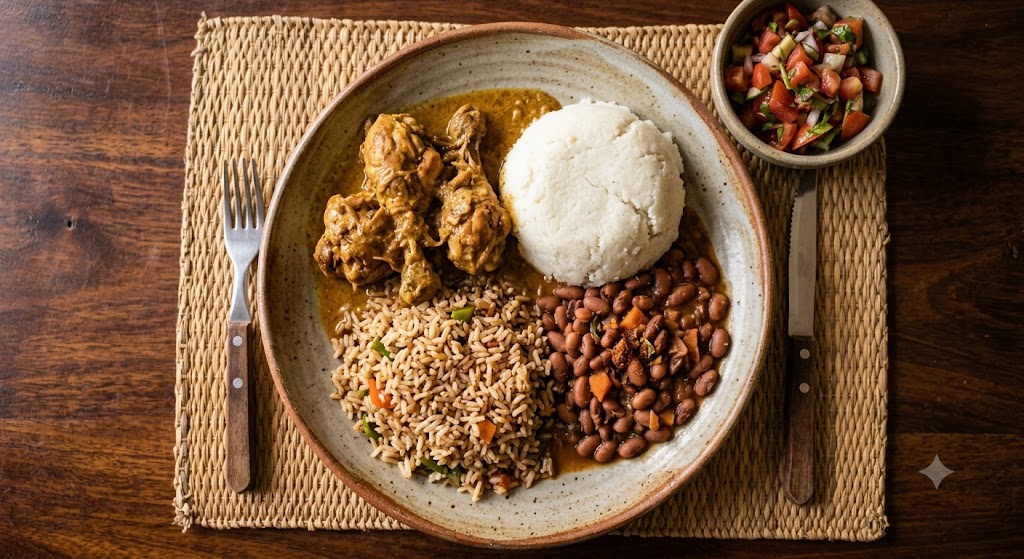
To benefit from this natural metabolic boost during a cold evening, a few simple adjustments to a dinner plate can make a noticeable difference. Opting for traditional, protein-rich Kenyan meals instead of heavy fats or sugary snacks helps maintain thermal comfort for hours after a meal.
Dishes featuring lean beef, chicken, fish, or beans, paired with complex carbohydrates like sweet potatoes or brown rice, provide a steady and lasting warming effect.
This means that staying warm in the cold season involves more than just external layers of clothing. By understanding how different nutrients behave during digestion, anyone can use daily meals to fight off the evening chill.
Relying on protein to drive up the metabolic rate is a science-backed way to stay comfortable without depending entirely on extra sweaters.