From breakfast to dinner: Why Kenyans love their avocados in almost every meal
By Katemarthason Okudo, September 23, 2026From a slice of avocado served with breakfast to a few pieces added to lunch, the fruit has found its way into many Kenyan meals. Its mild taste and creamy texture make it easy to combine with different foods, whether served on the side or mixed into a meal.
For many households, avocado is not treated as a special ingredient that requires a particular recipe. It can simply be cut open, seasoned with a little salt and eaten alongside whatever is already on the table.
This flexibility is part of what has made the fruit such a familiar part of Kenyan food culture.
An easy addition to breakfast
Avocado can turn a simple breakfast into a more filling meal without requiring much preparation. It is commonly eaten with bread, chapati, eggs or tea-time foods, while some people simply eat it on its own.
Unlike foods that need cooking before they can be served, an avocado only needs to be washed, cut open, and peeled or scooped out. This makes it convenient for people who want something quick in the morning.
Its creamy texture also works well with dry foods such as toast and bread, making it an easy spread or side dish.
A familiar partner for lunch
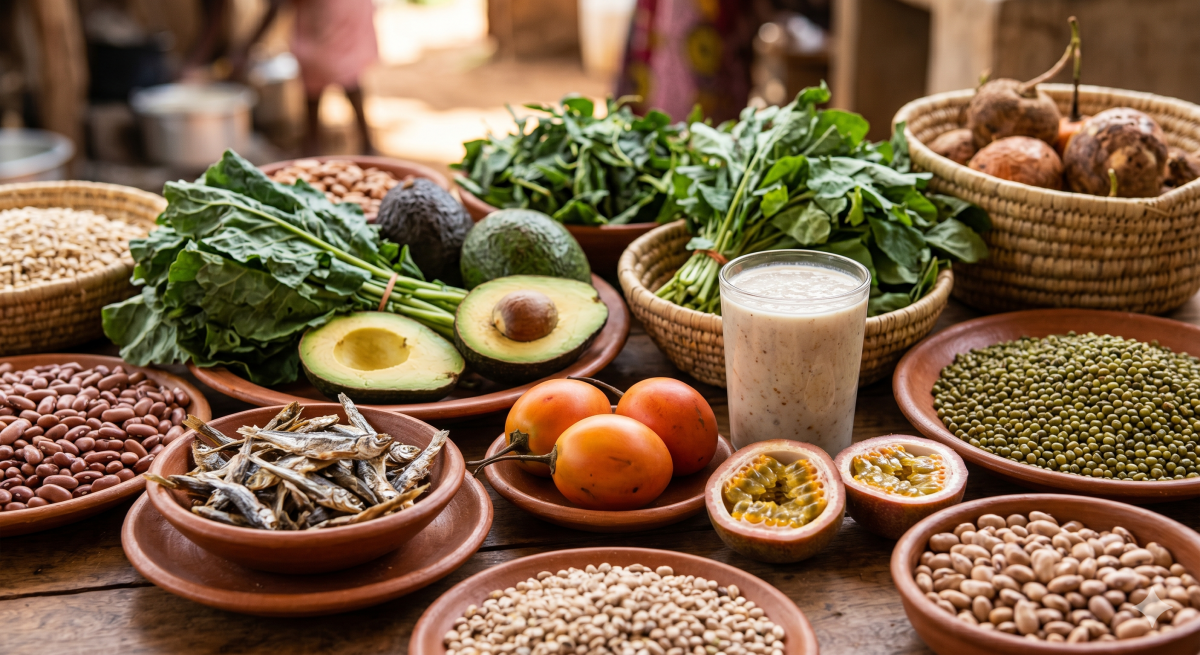
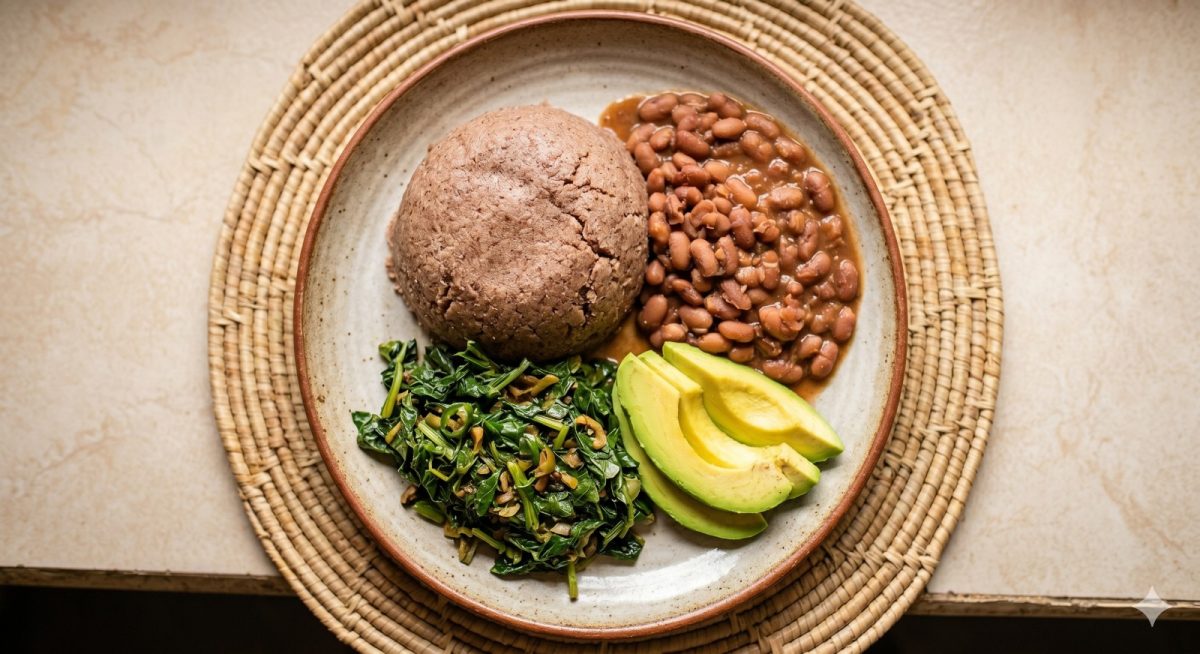
At lunchtime, avocado can accompany some of the foods commonly prepared in Kenyan homes. It can be served alongside ugali and vegetables, rice and beans, githeri, or meat dishes.
The fruit does not have a strong taste that can easily overpower other foods. Instead, its mild flavour and creamy texture provide a different contrast to spicy, salty or heavily seasoned dishes.
This makes it possible to add avocado without completely changing the meal.
Why it fits so many dishes
One reason avocado has become so popular is its nutritional profile. According to data based on the USDA National Nutrient Database, 100 grams of raw avocado contains about 6.7 grams of dietary fibre and 485 milligrams of potassium. It also contains mostly unsaturated fats, including monounsaturated fat.
The fruit is therefore more than just an accompaniment. It contributes nutrients while also adding texture and flavour to a meal.
Its versatility has also encouraged different ways of using it. Some people mash it and spread it on bread, while others mix it into salads or use it as an ingredient in homemade dips and sauces.
A fruit grown close to home
Avocado is also strongly connected to Kenya’s agricultural landscape. It is grown by small-scale farmers in several parts of the country, including areas in Central and Eastern Kenya.
According to a study listed by FAO AGRIS, about 85 per cent of avocado growers in Kenya are small-scale farmers, with the crop grown for subsistence, local markets and export. The study identifies Murang’a, Kiambu, Thika, Embu and Meru among the major production areas.
KALRO also describes avocado as an important crop in Kenya’s horticultural sector and notes that many small-scale growers have traditionally produced it for domestic markets.
This availability has helped keep avocado familiar to consumers. When a fruit is grown locally and sold widely, it becomes easier to incorporate it into everyday meals.
From one meal to the next
The appeal of avocado is not necessarily about following a food trend. It is about convenience, taste and the ability to fit into different meals.
The same fruit can appear beside breakfast, become part of lunch and still be served with a light evening meal. Its preparation is simple, its flavour is mild and it works with both traditional and modern dishes.
For many Kenyan households, avocado has therefore moved beyond being just a fruit. It has become one of those everyday foods that can quietly complete a meal, regardless of what is on the plate.