Foods to eat after blood donation
By Katemarthason Okudo, June 12, 2026After blood donation, the body immediately begins working to replace lost blood volume and regenerate red blood cells. While the process is natural, it can temporarily leave a person feeling tired or slightly weak if nutrition and hydration are not well managed. According to the World Health Organisation, proper nutrition and fluid intake after donation play a key role in restoring energy levels and supporting healthy blood formation.
Eating the right foods helps the body rebuild faster, maintain iron levels, and prevent dizziness or fatigue in the hours and days that follow donation.
Iron-rich foods to rebuild blood levels
Iron is the most important nutrient after blood donation because it helps the body produce haemoglobin, the protein that carries oxygen in the blood. Without enough iron, recovery may be slower and energy levels may drop.
Foods such as red meat, liver, chicken, fish, eggs, beans, lentils, spinach, pumpkin leaves and fortified cereals are highly recommended. According to the Mayo Clinic, iron-rich diets are essential in restoring red blood cells and preventing post-donation fatigue.
It is also important to understand the difference between heme iron (from animal sources, absorbed more easily) and non-heme iron (from plant sources). For vegetarians, combining different plant-based sources helps improve iron intake over time.
Vitamin C for better iron absorption
Vitamin C helps the body absorb iron more effectively, especially from plant-based foods. Fruits such as oranges, mangoes, pineapples, pawpaw, strawberries and lemons are excellent choices.
Vegetables like tomatoes, bell peppers and cabbage also support iron absorption. According to the National Health Service, pairing vitamin C-rich foods with iron-rich meals significantly improves how the body uses iron.
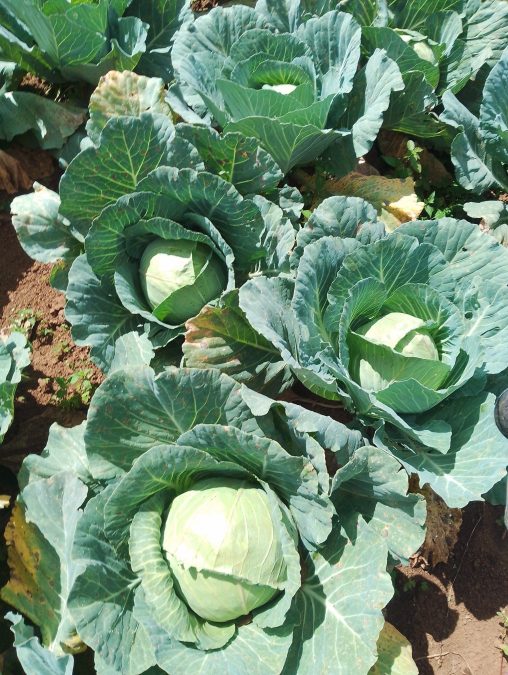
For example, beans served with tomato-based stew or spinach paired with fresh fruit juice can help boost recovery.
Replacing lost fluids and preventing fatigue
Blood donation temporarily reduces blood volume, so hydration is just as important as food. Water remains the best option, but natural drinks like fresh juice, coconut water and oral rehydration solutions can also help restore electrolytes.
According to the Kenya National Blood Transfusion Service, donors are encouraged to drink plenty of fluids before and after donation to avoid dizziness and maintain normal blood circulation.
Dehydration after donation can increase tiredness, so consistent fluid intake throughout the day is important.
Protein foods for faster recovery
Protein also plays a role in rebuilding blood components and repairing the body. Eggs, milk, yoghurt, fish, chicken, beans and groundnuts provide the body with amino acids needed for recovery.
Including protein in meals after donation helps stabilise energy levels and supports overall healing. A balanced plate with carbohydrates, protein and vegetables is ideal.

Foods and habits to avoid immediately after donation
Certain foods and habits can slow recovery or worsen fatigue. Alcohol should be avoided for at least 24 hours because it increases dehydration. Excess caffeine from coffee or energy drinks can also reduce hydration levels.
Heavy, oily or overly spicy foods may cause discomfort immediately after donation, especially when the body is still adjusting. Smoking is also discouraged as it reduces oxygen levels in the blood.
Simple recovery meals
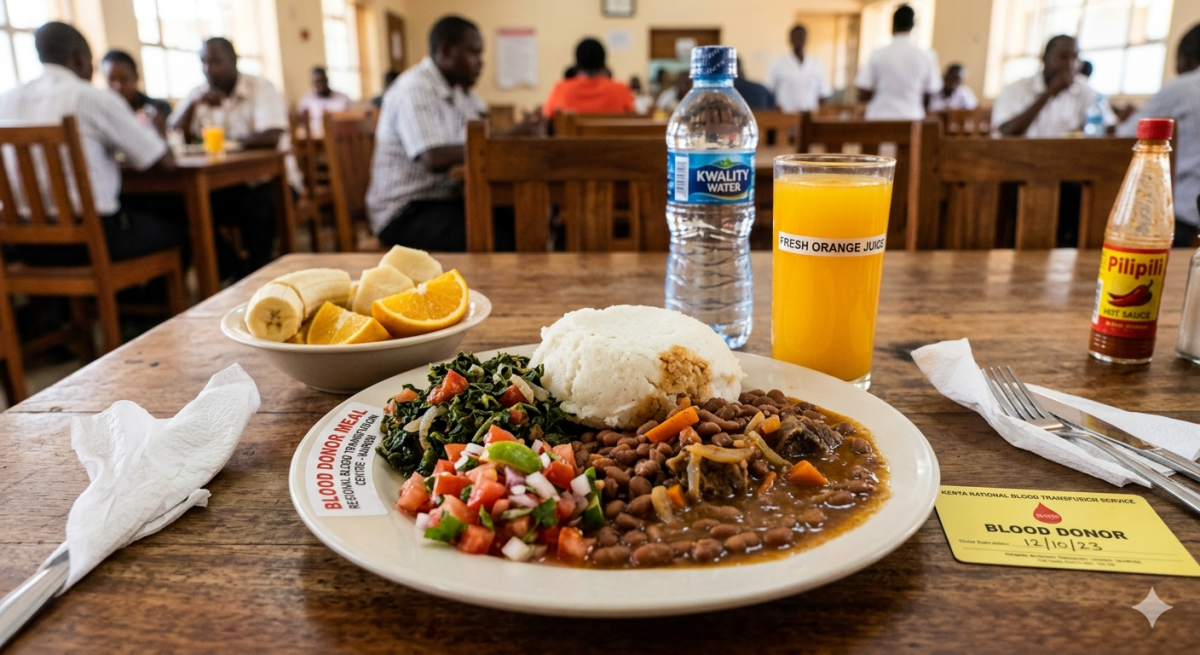
Local meals can provide excellent post-donation nutrition without being expensive. Options include: Ugali with sukuma wiki and beef or fish, rice with beans and vegetables, boiled sweet potatoes with eggs and avocado, matoke with groundnut stew, and fresh fruit bowls with bananas, oranges, and pawpaw
These meals offer a balance of iron, protein, carbohydrates and vitamins needed for recovery.
Additional tips for faster recovery
Rest is just as important as food. Donors are advised to avoid heavy exercise or lifting heavy objects for the rest of the day. Eating small, frequent meals can also help maintain energy levels.
Wearing a bandage for a few hours and keeping the arm active but not strained helps reduce bruising. Listening to the body and resting when needed ensures smoother recovery.
Good nutrition after blood donation ensures the body quickly restores iron levels, fluids and energy. A balanced diet rich in iron, vitamin C, protein, and fluids not only speeds up recovery but also prepares the body for future donations.