Foods every pregnant woman should include in her diet
By Katemarthason Okudo, July 14, 2026Pregnancy is a time when every meal matters. The body works harder to support the growth and development of a baby, making good nutrition one of the most important parts of a healthy pregnancy. Eating a balanced diet does not mean following expensive meal plans or searching for exotic ingredients.
According to the World Health Organization (WHO), pregnant women need a balanced diet that includes protein, healthy fats, vitamins, minerals and fibre to support both their own health and the baby’s development.
The Kenya Ministry of Health also encourages expectant mothers to eat a variety of nutritious foods throughout pregnancy while attending regular antenatal clinics for dietary guidance.
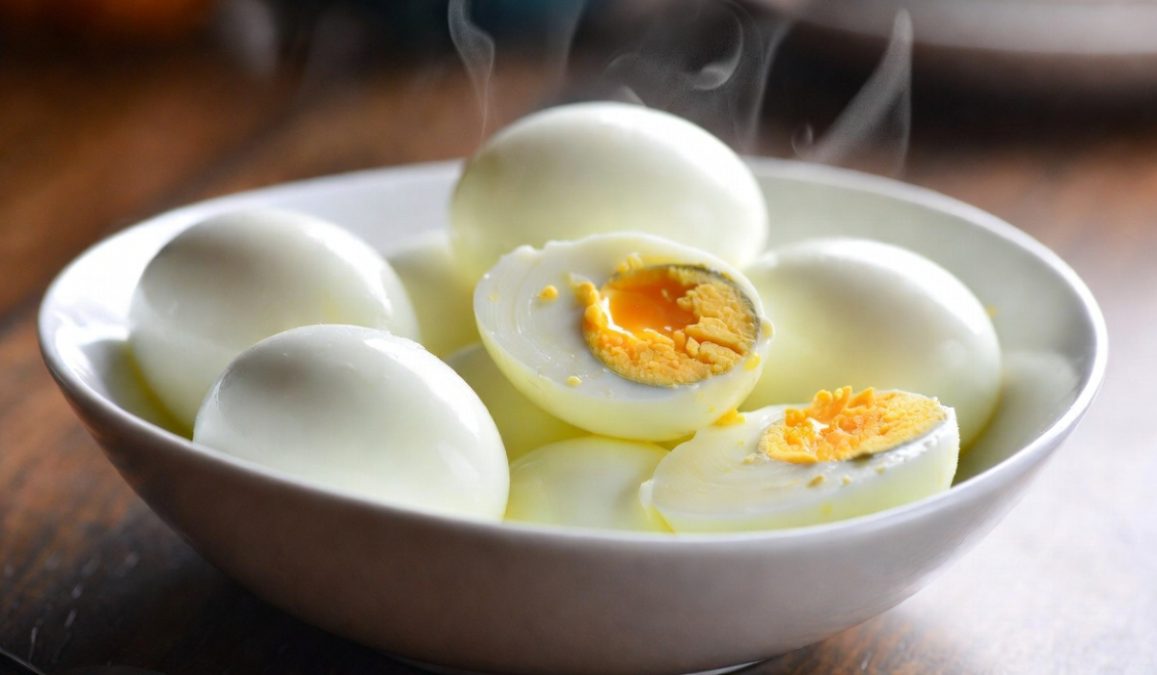
1. Eggs
Eggs are packed with high-quality protein, which helps build the baby’s muscles, tissues and organs. They also contain choline, a nutrient that supports brain and spinal cord development while reducing the risk of certain birth defects.
Eggs are also a good source of vitamin D and healthy fats, making them a simple yet nutritious addition to breakfast or lunch. According to the American Pregnancy Association, choline is an essential nutrient during pregnancy because it supports healthy brain development and cognitive function in unborn babies.
2. Sweet potatoes
Sweet potatoes provide beta-carotene, which the body converts into vitamin A. This vitamin is important for the healthy growth of the baby’s eyes, skin and immune system.
They also contain fibre, which may help reduce constipation, a common complaint during pregnancy. Their natural sweetness makes them an easy alternative to refined carbohydrates. The NHS notes that vitamin A obtained from plant sources such as sweet potatoes is safe during pregnancy and supports normal growth and development.
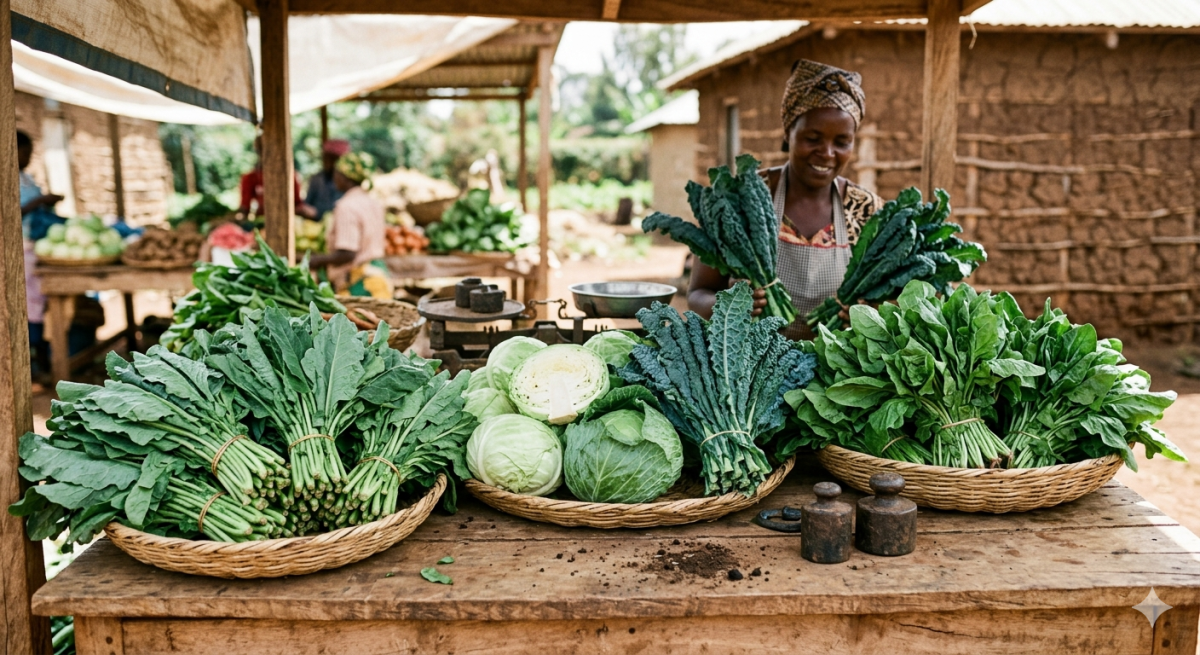
3. Spinach and traditional leafy vegetables
Leafy greens such as spinach, managu, kunde and terere are excellent sources of iron and folate.
Folate plays a key role during the early stages of pregnancy by supporting the baby’s brain and spinal cord development. Iron helps produce healthy red blood cells and lowers the risk of anaemia, which can leave expectant mothers feeling tired and weak. The World Health Organization recommends adequate folate and iron intake during pregnancy to help reduce the risk of neural tube defects and iron-deficiency anaemia.
4. Beans
Beans are loaded with plant protein, iron, fibre and folate. They help keep blood sugar levels stable while supporting healthy digestion.
Including beans in meals several times a week can help meet daily nutrient needs without stretching the household budget. Legumes such as beans are among the most nutritious and affordable foods that help pregnant women meet their increased protein and iron requirements.
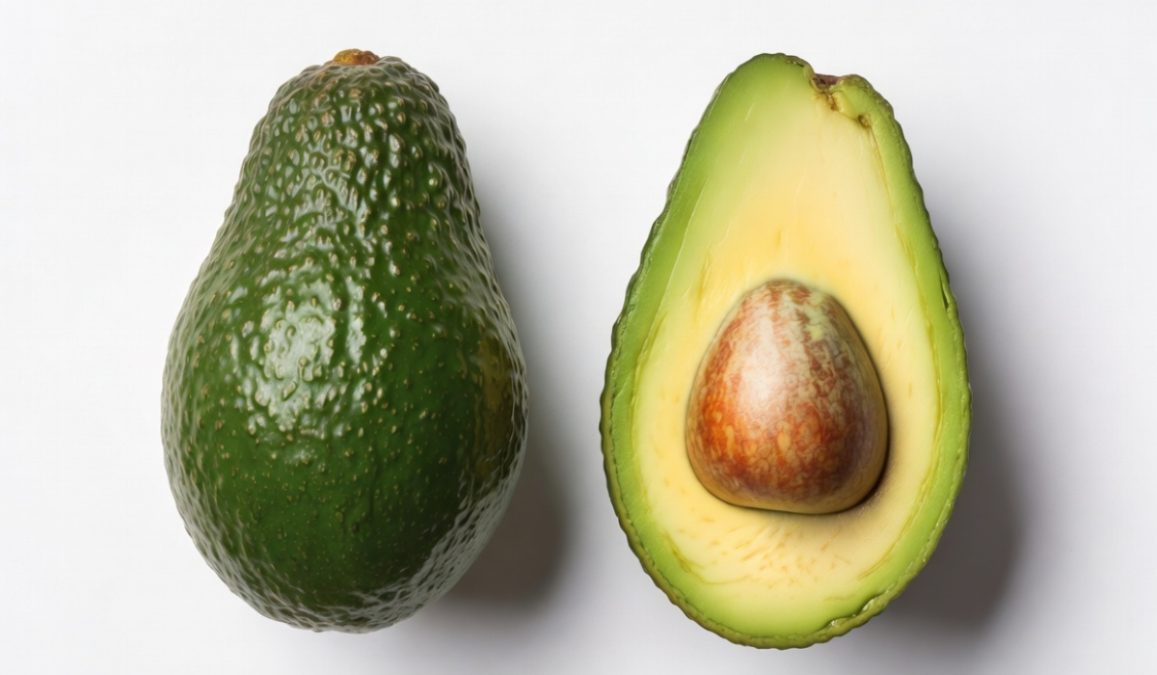
5. Avocados
Avocados contain healthy monounsaturated fats that support the baby’s brain development. They are also rich in potassium, which may help reduce leg cramps experienced by some pregnant women.
In addition, avocados provide folate and vitamin C, making them a nutrient-dense fruit for pregnancy. Healthy fats and folate are essential for supporting the baby’s growth and the mother’s overall wellbeing during pregnancy.
6. Yoghurt
Plain yoghurt provides calcium, protein and probiotics.
Calcium is essential for developing the baby’s bones and teeth, while probiotics promote a healthy digestive system. Choosing yoghurt with little added sugar can offer the greatest nutritional benefits. The Kenya Ministry of Health recommends calcium-rich foods during pregnancy to support bone development and maintain maternal bone health.
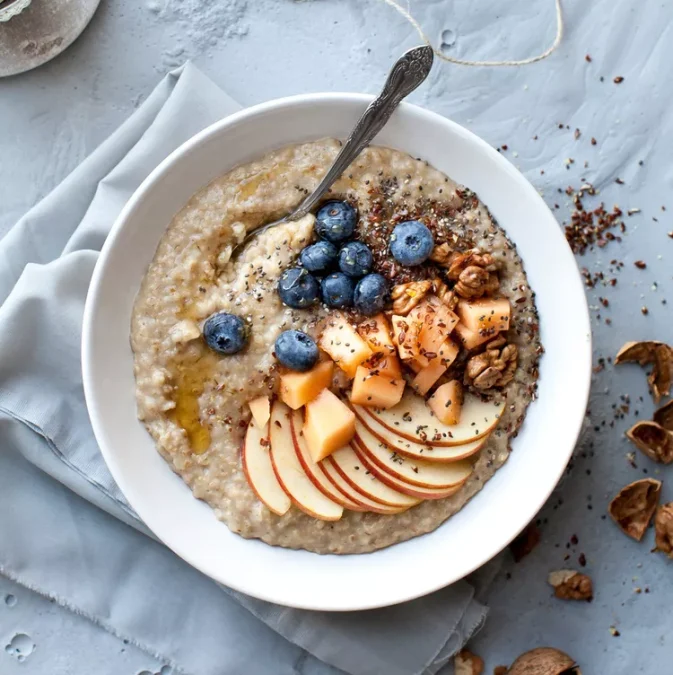
7. Oats
Oats are rich in complex carbohydrates, fibre and B vitamins.
They release energy slowly, helping pregnant women stay full for longer while maintaining steady energy levels throughout the day. Fibre also supports regular bowel movements. Whole grains such as oats provide sustained energy and dietary fibre, which can help ease constipation during pregnancy.
8. Groundnuts
Groundnuts contain healthy fats, protein, magnesium and vitamin E.
Eating moderate portions can help satisfy hunger between meals while contributing nutrients that support healthy body tissues and overall wellbeing during pregnancy. The Food and Agriculture Organization (FAO) notes that nuts are nutrient-dense foods that provide healthy fats and protein, making them a valuable addition to a balanced diet during pregnancy.
9. Sardines
Sardines are rich in omega-3 fatty acids, calcium and vitamin D.
Omega-3 fats support the baby’s brain and eye development, while calcium and vitamin D contribute to strong bones for both mother and baby. Unlike some larger fish, sardines are generally lower in mercury, making them a safer seafood option during pregnancy when eaten as part of a balanced diet. Eating low-mercury fish provides omega-3 fatty acids that are important for healthy brain and eye development in babies.