Common baking mistakes that can ruin your cake and bread
By Katemarthason Okudo, August 11, 2026Baking may look straightforward, but small mistakes in the kitchen can change the texture, taste and appearance of a cake or loaf of bread.
Unlike ordinary cooking, where some ingredients can be adjusted along the way, baking depends heavily on accurate measurements, the right temperatures and proper timing. A little too much flour, an oven that is too hot, or overworking the dough can leave the final product far from what was expected.
Understanding these common mistakes can make baking more predictable and help avoid disappointing results.
Using too much flour
One of the most common mistakes is adding more flour than the recipe requires.
Flour can easily become compacted when stored, meaning scooping it directly from a container may give you more than intended. According to King Arthur Baking, using too much flour can make bread dry and dense.
For cakes, excess flour can also produce a heavy and dry crumb.
When possible, weighing flour with a kitchen scale gives more accurate results. If using measuring cups, flour should be spooned lightly into the cup and levelled rather than packed down.
Changing the recipe too much
It can be tempting to reduce sugar, add extra flour or increase the amount of a particular ingredient. However, baking ingredients often serve several purposes beyond flavour.
Sugar, for example, contributes to texture and browning, while fats help with tenderness. Changing quantities without understanding their role can affect how the cake rises and sets.
Overmixing cake batter
Once flour has been added, excessive mixing can work against a light cake. Mixing develops gluten, which is useful when making bread but can make cakes tougher when developed too much. The batter should generally be mixed only until the ingredients are properly combined.

According to BBC Good Food, overworking cake batter can contribute to problems such as a cake sinking in the middle.
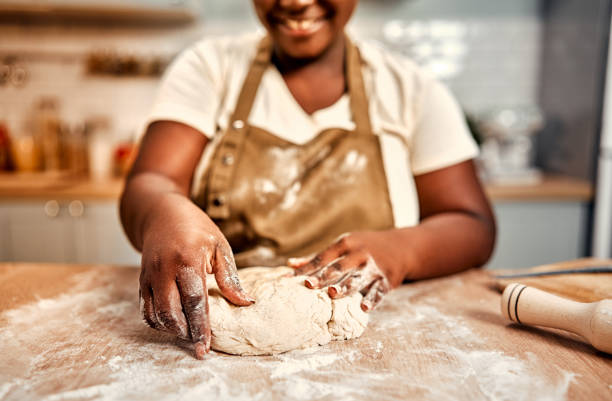
The same principle does not apply to bread in the same way. Bread dough needs enough mixing or kneading to develop the gluten structure required to hold the gases produced during fermentation.
Getting yeast and water wrong
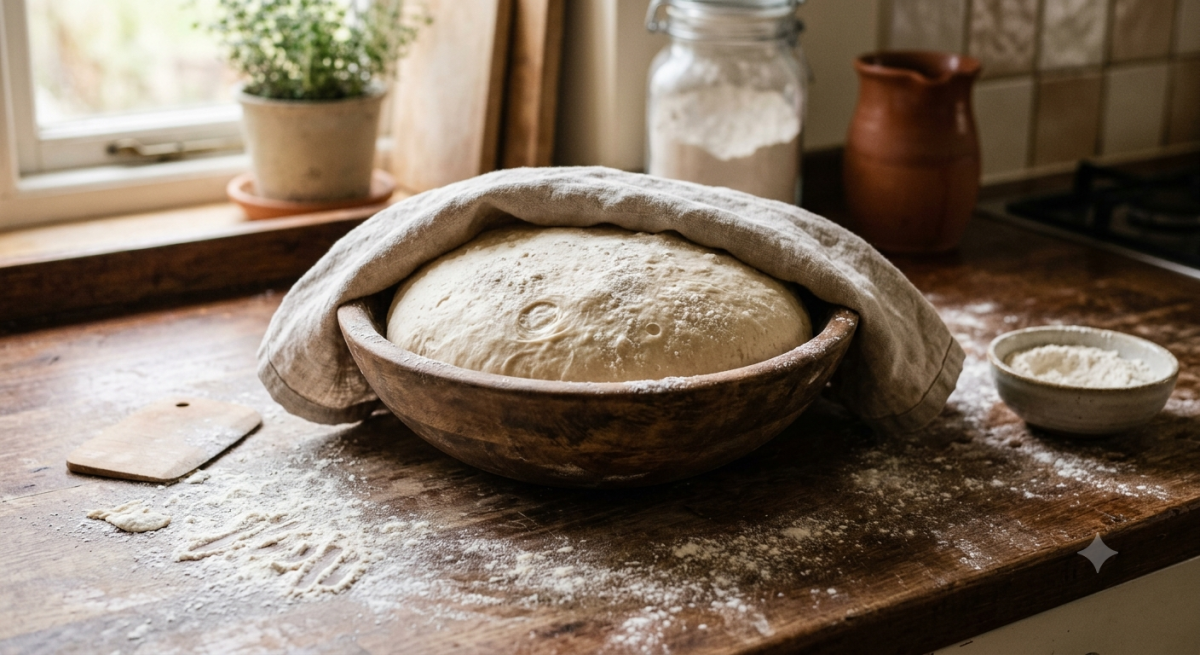
Bread depends on yeast to produce carbon dioxide, which helps the dough rise. But yeast is sensitive to temperature. According to King Arthur Baking, yeast dough works best when the liquid used is lukewarm, while the freshness and storage of the yeast also matter.
Using water that is too hot, therefore, can result in bread that barely rises. It is also important not to rush the rising process. Dough needs enough time to ferment and develop its structure before it goes into the oven.
Baking at the wrong temperature
An oven that is too hot can brown the outside of a cake or loaf before the centre has finished cooking. A temperature that is too low can leave baked goods pale, dense or undercooked.
Putting a cake into an oven that has not reached the required temperature can affect how it rises. Preheating the oven is therefore an important step rather than something to skip when in a hurry.
Opening the oven too often
Checking a cake every few minutes may seem harmless, but repeatedly opening the oven allows heat to escape.
This can interfere with the structure of cakes that are still setting and may contribute to a sunken centre. It is better to rely on the recommended baking time and use visual checks towards the end of baking.
Using the wrong pan size
A recipe is normally developed around a particular pan size. Pouring the same amount of batter into a significantly smaller or larger tin changes its depth and, consequently, how quickly it cooks.
A deeper cake may take longer to bake, while a shallow one may cook faster. For consistent results, use the pan size specified in the recipe and avoid filling it excessively.
Giving baked goods time to cool
Taking a cake or loaf out of the oven is not always the end of the process.
Allowing baked goods to cool gives their structure time to stabilise. Cutting bread while it is still very hot can compress the crumb, while removing a delicate cake from its tin too early can cause it to break.