Advertisement
Cheap school snacks that parents can easily prepare for their kids
25th May, 2026 08:26 AM
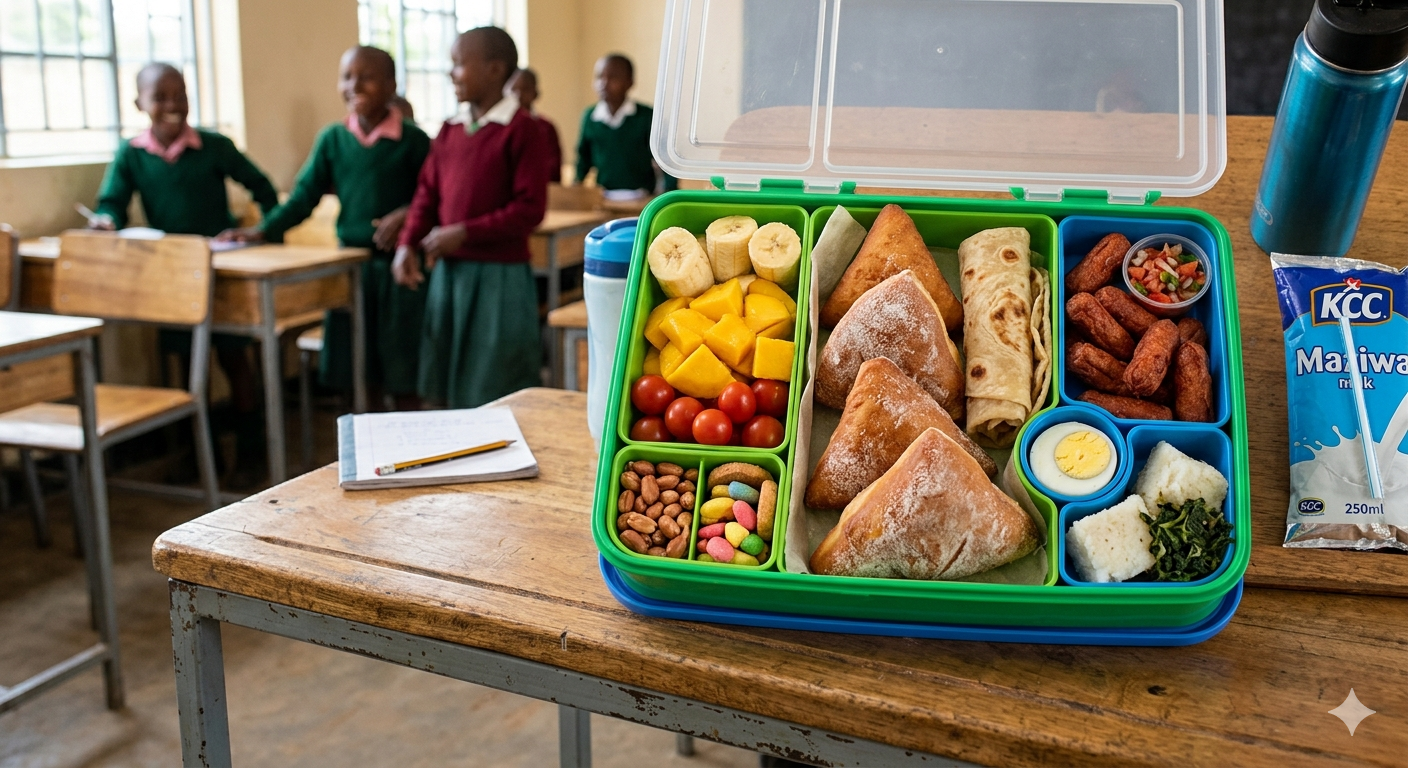
Packing snacks for school-going children has become part of the daily routine in many Kenyan homes. But with the rising cost of food, many parents are now looking for affordable snacks that are filling, healthy and easy to prepare.
The good news is that keeping children satisfied during school hours does not always require expensive packaged foods. Nutrition experts say children need snacks that provide energy and help them concentrate in class.
Foods rich in carbohydrates, protein and fibre tend to keep them full for longer compared to sugary snacks that leave them hungry again after a short time. According to the World Health Organisation (WHO), balanced meals and snacks help support children’s growth, concentration and daily activity levels.
Children do not always need expensive snacks. Simple homemade foods can provide enough energy and nutrition if prepared well.
Traditional snacks still work best
Many Kenyan parents are turning back to common local foods that are affordable and reliable. Boiled maize mixed with beans remains one of the most filling snack options for children. A small container of githeri can comfortably last through break time and lunch hour, especially for younger learners.
Roasted sweet potatoes and arrowroots are also becoming popular because they are cheap, easy to prepare, and naturally filling. Bananas are another common option, especially when paired with groundnuts or a boiled egg to make the snack more satisfying.
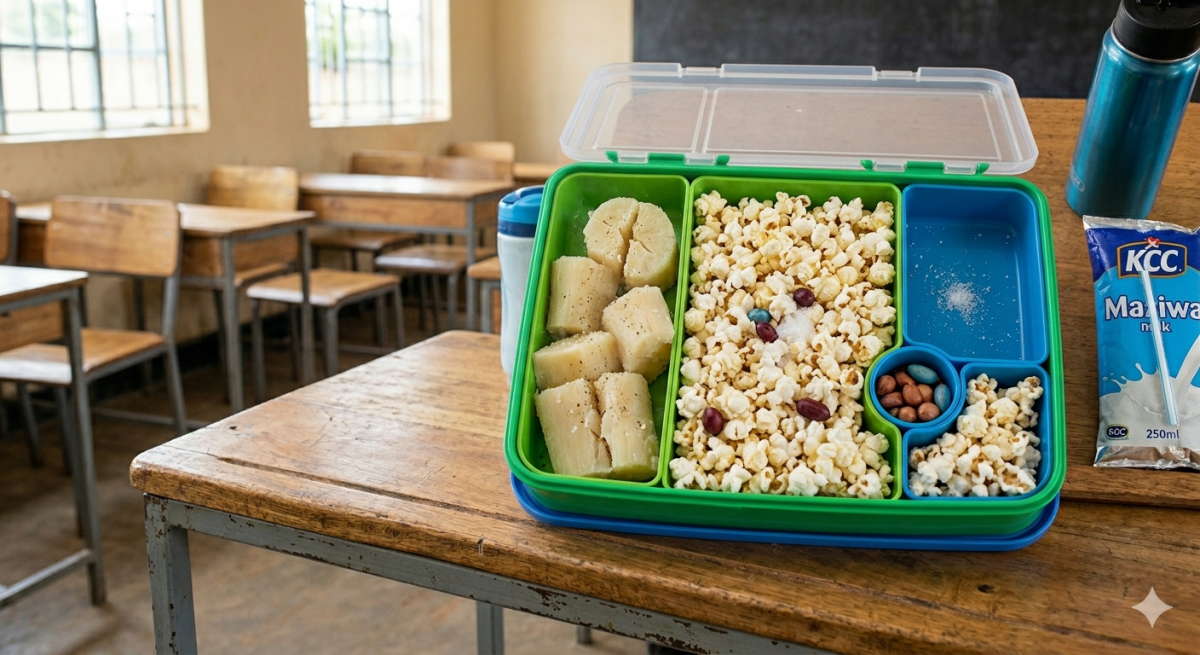
Popcorn made at home is also gaining attention among parents. Unlike packaged crisps, homemade popcorn uses little oil and can be prepared in large amounts at a low cost.
Some parents are also preparing mandazi, boiled cassava or leftover chapati rolls with vegetables and eggs for children to carry to school. These options reduce food wastage at home while still giving children enough energy during the day. Information from the Kenya Nutritionists and Dieticians Institute encouraged parents to include locally available foods in children’s diets because they are affordable and nutritious.
Balance matters more than appearance
Experts advise parents not to focus too much on fancy-looking snacks seen online. What matters most is whether the food keeps the child active and satisfied.
Sugary biscuits, sweets and coloured juices may look attractive, but they often leave children hungry again after a short while. Nutritionists recommend including at least one natural food item such as fruit, boiled cereals or protein in a child’s snack pack.
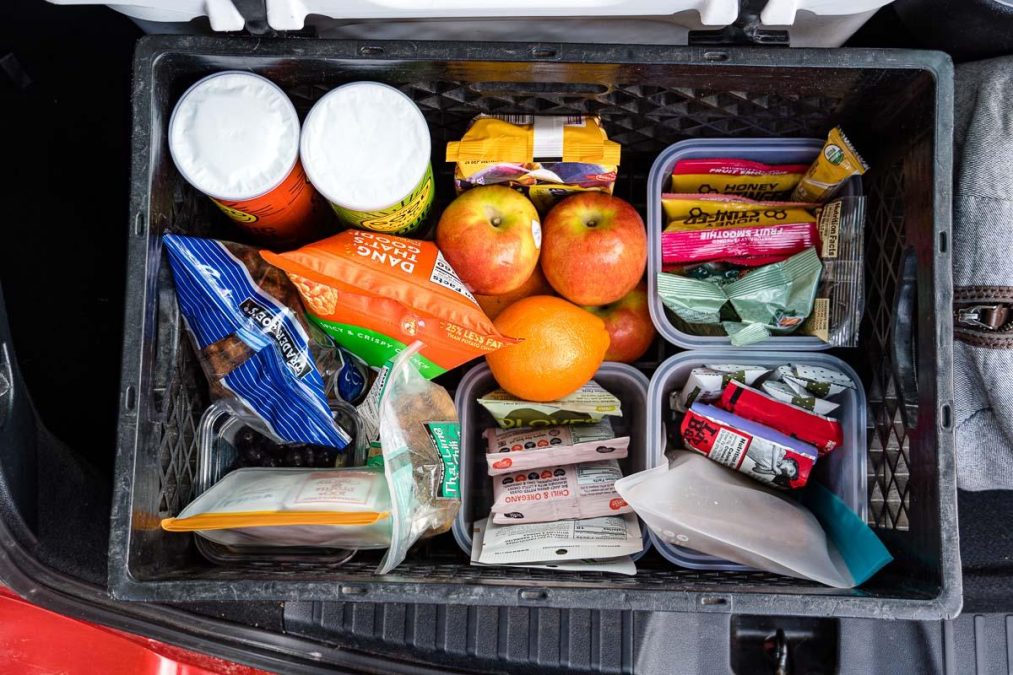
“Healthy eating habits start from childhood, and simple, balanced meals can support growth and learning,” UNICEF stated.
Parents are also encouraged to involve children when preparing snacks at home. This helps children appreciate homemade food and reduces the pressure of buying expensive processed snacks daily.
Planning helps families save money
Preparing snacks in advance can help families reduce daily spending. Buying foods like maize, sweet potatoes, groundnuts, and bananas in bulk from local markets is often cheaper compared to buying packaged snacks every morning.
Reusable containers also help parents avoid extra costs on disposable packaging. Some schools have even encouraged parents to pack healthier homemade snacks as part of promoting good eating habits among learners.